British Steel taken into public ownership as UK seizes Scunthorpe works
British Steel has been taken into public ownership after Parliament passed legislation allowing the government to bring the steel industry into public hands, the BBC reported on Thursday. Prime Minister Sir Keir Starmer said the move would "secure the future of steelmaking in the UK, protect skilled jobs and safeguard a vital national capability."
By Source Reporters Newsdesk
Thu, 16 July 2026 · 2 min read
British Steel has been taken into public ownership after Parliament passed legislation allowing the government to bring the steel industry into public hands, the BBC reported on Thursday. Prime Minister Sir Keir Starmer said the move would "secure the future of steelmaking in the UK, protect skilled jobs and safeguard a vital national capability."
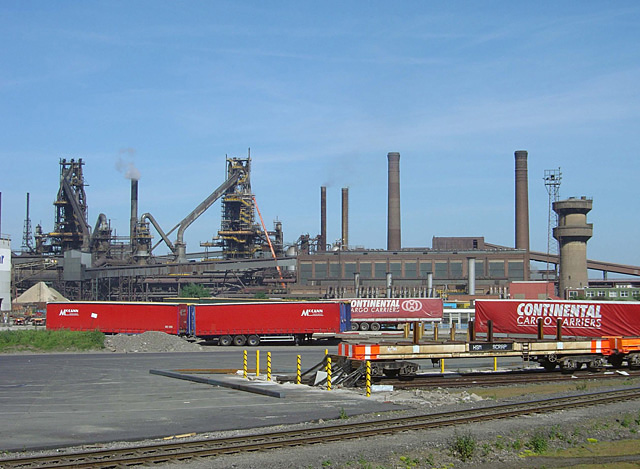
The nationalisation follows years of uncertainty at the Scunthorpe steelworks, which employs roughly 2,700 people and supports many other industries in north Lincolnshire, according to the BBC. The UK government took operational control of the plant in April 2025, but British Steel remained under the ownership of Chinese firm Jingye Group until Wednesday's vote.
Jingye has begun seeking compensation for the takeover, having previously said the business was losing £700,000 a day, the BBC reported. The government has said it could limit or refuse compensation, and an independent assessor will set any payment based on the company's value, Business Secretary Peter Kyle told the BBC.
## Why British Steel nationalisation matters
The Steel Act, passed on Wednesday, lets ministers nationalise steel companies where it is judged necessary in the public interest to protect a "foundation industry" underpinning critical national infrastructure, the economy and defence, the Department for Business and Trade said in a statement.
The government seized control last year after Jingye flagged the possible closure of the last two blast furnaces. Had they gone cold, the UK would have lost the ability to make "virgin steel," and would have been the only G7 member unable to do so, the BBC reported. A National Audit Office report in March put the cost to government of keeping Scunthorpe running at about £1.3m a day.
Simon Boyd, managing director of Dorset-based structural steel firm Reid Steel, told the BBC's Today programme that Jingye had been "sabotaging the infrastructure" and that the government "had to step in." He said the state would need to invest heavily and might wait 10–20 years for a return.
Jingye bought British Steel in 2020, a year after it was placed in compulsory liquidation by its previous owner, private equity group Greybull Capital, according to the BBC.
## Global perspective
The decision underscores a broader western reassessment of dependence on global — notably Chinese — supply chains for strategic materials. With virgin steel tied to construction, rail and defence, the UK's move places it alongside other governments tightening state control over foundational industry. For African and other developing economies weighing industrial policy, the case highlights the trade-off between open markets and securing sovereign capacity in critical sectors.
**Sources**
- https://www.bbc.co.uk/news/articles/c5y680w62wno
- https://sourcereporters.com/business/diaspora-desk-nidcomnimc-digital-id-pact-london-athlete-screen-merit-based-appoi
Source Reporters corrects errors promptly. Spotted something wrong? Tell us — read our editorial standards and corrections policy.