YouTube still recommending eating-disorder videos to teens a year after UK Online Safety Act, study finds
- Section: health - Date: 2026-07-16 - Source: BBC News — "YouTube still recommending eating disorder videos to teens, researchers claim", reporting research by the Centre for Countering Digital Hate (CCDH) and statements from Google/YouTube. - Status: DRAFT
By Source Reporters Newsdesk
Thu, 16 July 2026 · 3 min read
- **Section:** health
- **Date:** 2026-07-16
- **Source:** BBC News — "YouTube still recommending eating disorder videos to teens, researchers claim" (https://www.bbc.com/news/articles/c5yzn2g0xw9o), reporting research by the Centre for Countering Digital Hate (CCDH) and statements from Google/YouTube.
- **Status:** DRAFT
YouTube is still recommending eating-disorder videos to teenage users a year after new UK rules were introduced to curb harmful online content, according to new research by the Centre for Countering Digital Hate (CCDH) [BBC: https://www.bbc.com/news/articles/c5yzn2g0xw9o].
The CCDH set up a simulated account for a 13-year-old girl viewing unsafe diet and body-image content for the first time, then analysed the next 100 videos suggested by YouTube's "Up Next" algorithm [BBC, citing CCDH: https://www.bbc.com/news/articles/c5yzn2g0xw9o]. It found one in 10 of those recommended videos featured "thinspiration," extreme calorie restriction or other harmful material — an improvement on the one in four identified when the CCDH ran the same experiment in 2024 [BBC, citing CCDH: https://www.bbc.com/news/articles/c5yzn2g0xw9o]. The research was repeated using teen profiles in the US and EU, producing similar results [BBC, citing CCDH: https://www.bbc.com/news/articles/c5yzn2g0xw9o].
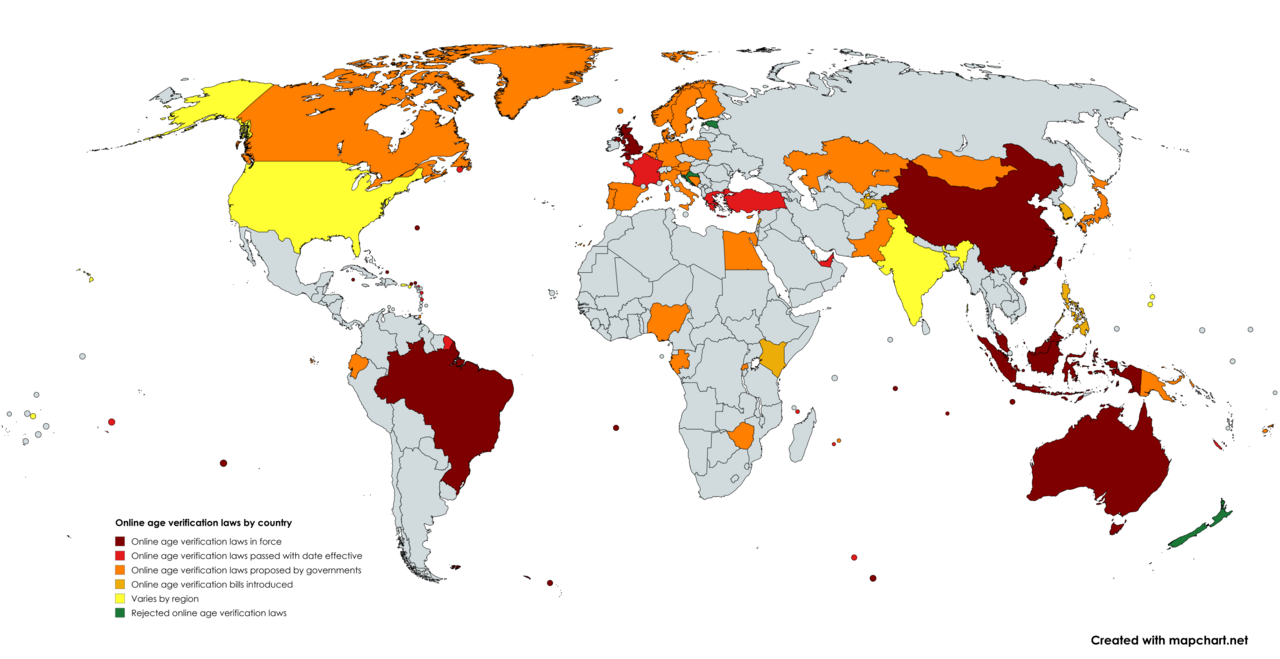
In July 2025 a key part of the UK government's Online Safety Act came into force, meaning sites such as YouTube now have a legal duty to protect under-18s from dangerous content including videos that encourage or promote suicide, self-harm and eating disorders [BBC: https://www.bbc.com/news/articles/c5yzn2g0xw9o]. Sites must also consider how their recommendation algorithms could be harmful to young people and mitigate any risks, with non-compliance punishable by fines of up to 10% of global revenue [BBC: https://www.bbc.com/news/articles/c5yzn2g0xw9o].
The CCDH also examined "crisis panels" — a blue box shown beneath sensitive-topic videos that can direct users to reputable support services — and found that in 2026 none of the harmful eating-disorder videos recommended by YouTube's algorithm triggered such a panel, although the warnings did appear on other diet and body-image videos the CCDH did not classify as dangerous [BBC, citing CCDH: https://www.bbc.com/news/articles/c5yzn2g0xw9o]. Examples of content still being recommended included a "thinspo" account idealising extreme thinness, a video promoting a daily intake of just 170 calories (far below healthy levels for teens), and a subliminal weight-loss video linking to a document promising "the most emaciated skeletal dainty body" [BBC, citing CCDH: https://www.bbc.com/news/articles/c5yzn2g0xw9o].
Google, which owns YouTube, said it had a "steadfast" commitment to stopping the spread of harmful content and that the videos highlighted in the report had been removed [BBC, citing Google/YouTube: https://www.bbc.com/news/articles/c5yzn2g0xw9o]. The company said it prohibits YouTube content that encourages or provides instructions on eating disorders "while enabling people to share stories of recovery," and that it works with experts including the NHS, Mind and The Mix to refine its approach to mental health; it has also launched curated expert videos that appear when a teen account searches for topics such as depression or eating disorders [BBC, citing Google/YouTube: https://www.bbc.com/news/articles/c5yzn2g0xw9o]. The CCDH focused on YouTube because of its popularity among children and young people, citing Ofcom figures [BBC, citing CCDH and Ofcom: https://www.bbc.com/news/articles/c5yzn2g0xw9o].
Alexandra Johnson, senior research manager at the CCDH, said there was "some hope to be gained" from the report as it showed regulation can have an impact, but added that "one video is too many" and that even a small algorithmic nudge can push vulnerable users into a dangerous situation [BBC, citing CCDH: https://www.bbc.com/news/articles/c5yzn2g0xw9o]. The BBC also noted that eating disorders have complex causes and that online content alone cannot explain why someone develops a condition [BBC: https://www.bbc.com/news/articles/c5yzn2g0xw9o]. Jazmin Kaur, 22, from Leicester, who was diagnosed with anorexia at 13 and received six years of NHS treatment, told the BBC that while some online material was helpful, "most of the time it made it a lot worse" [BBC: https://www.bbc.com/news/articles/c5yzn2g0xw9o].
**Correction line:** No corrections have been issued for this draft. Findings are attributed to CCDH research as reported by BBC News, balanced with Google/YouTube's on-record response; this draft is pending editorial fact-check and sign-off before any publication.
Source Reporters corrects errors promptly. Spotted something wrong? Tell us — read our editorial standards and corrections policy.