Barcelona tells visitors 'not one tourist more' as cities move to cap overtourism
From Venice's day-tripper fee to a UN Tourism rebound, cities are shifting from welcome-all growth toward managed, lower-impact tourism.
By Source Reporters Newsdesk
Thu, 16 July 2026 · 2 min read
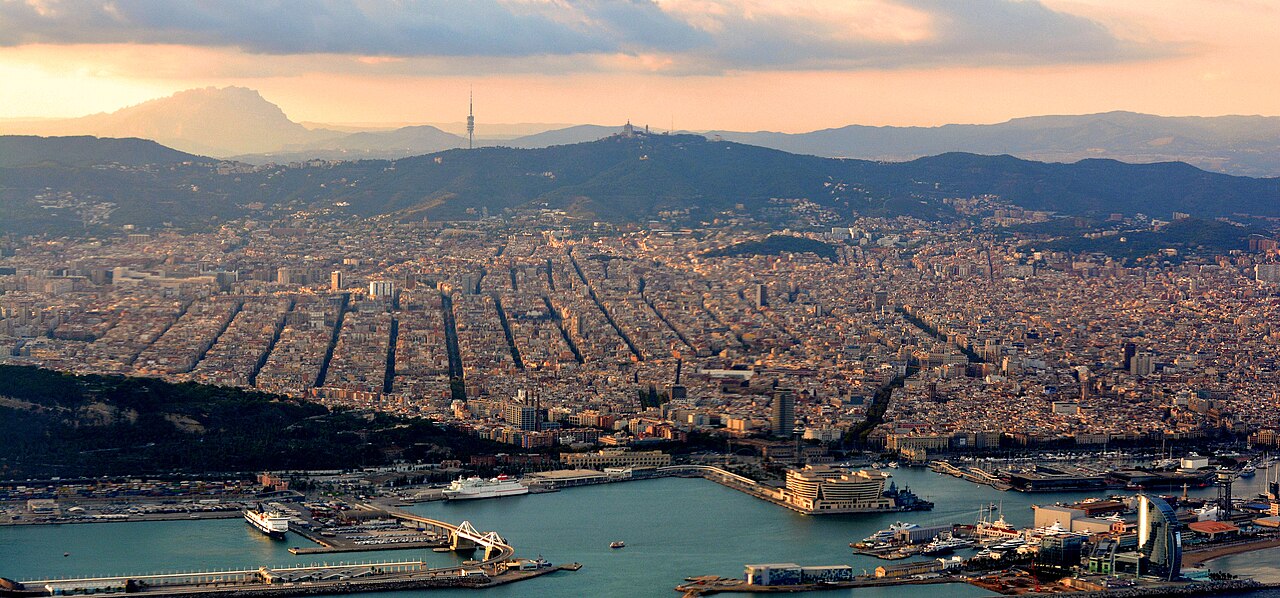
BARCELONA, Spain - Barcelona is delivering an unusually blunt message to holidaymakers - 'not one tourist more' - as residents and city authorities push back against overcrowding, according to The New York Times, which reported the stance on 14 July 2026.
The newspaper said the sentiment reflects mounting local frustration in a city where tourism has become a flashpoint over housing costs and the strain on neighbourhoods.
The push to manage visitor numbers is not confined to Spain. The Guardian reported on 19 June 2026 that Venice's newly elected mayor wants to raise the city's day-tripper entry fee to as much as EUR50, building on a charge introduced to discourage short visits that add pressure without overnight spend.
Globally, the backdrop is a travel market running hot. UN Tourism said on 2 June 2026 that international tourist arrivals rose about 2% in the first quarter of 2026 compared with the same period a year earlier, even amid wider economic uncertainty.
The hospitality industry is bracing for tighter rules. Hospitality Net reported in May 2026 that a 'regulation tide' of overtourism measures - from visitor caps to day-tripper charges - is reaching hotels and operators, signalling a shift from welcome-all growth toward managed, lower-impact tourism.
Travel guidance is also adapting. Fodor's travel guide, cited by Business Insider in November 2025, listed eight destinations it urged travellers to consider avoiding in 2026 because of overtourism.
The practical takeaway is a shift toward slower, dispersed trips - visiting outside peak months, favouring lesser-known towns, and treating high-traffic cities as places to respect rather than consume. For readers planning trips from Nigeria and across Africa, Europe's headline cities are likelier to carry new fees and restrictions this summer - and a growing case for exploring the continent's own coastal and cultural destinations.
Sources: The New York Times (14 Jul 2026); The Guardian (19 Jun 2026); UN Tourism (2 Jun 2026); Hospitality Net (May 2026); Business Insider/Fodor's (Nov 2025).
Source Reporters corrects errors promptly. Spotted something wrong? Tell us — read our editorial standards and corrections policy.