UN chief urges de-escalation as US–Iran fighting breaks Gulf truce and threatens Strait of Hormuz
UN Secretary-General António Guterres voiced "deep concern" on Wednesday over continuing military escalation in the Middle East, as renewed US and Iranian strikes over control of the Strait of Hormuz broke an interim truce, UN News reported. The blunt warnings from the UN, its maritime agency and its human rights chief mark one of the organisation's most concerted diplomatic responses to the expanding Gulf crisis.
By Source Reporters Newsdesk
Thu, 16 July 2026 · 3 min read
UN Secretary-General António Guterres voiced "deep concern" on Wednesday over continuing military escalation in the Middle East, as renewed US and Iranian strikes over control of the Strait of Hormuz broke an interim truce, UN News reported (https://news.un.org/en/story/2026/07/1167949). The blunt warnings from the UN, its maritime agency and its human rights chief mark one of the organisation's most concerted diplomatic responses to the expanding Gulf crisis.
## A truce collapses
The fighting has broken an interim truce established under a Memorandum of Understanding signed by the United States and Iran in June, according to UN News (https://news.un.org/en/story/2026/07/1167949). The deal had sought to end hostilities that erupted in late February following US–Israeli strikes on Iran and Iranian counter-attacks across the Gulf region.
## Guterres: "return to full-scale hostilities would exact an intolerable toll"
Mr Guterres urged "all parties to take immediate steps for de-escalation and return to the path of dialogue and diplomacy," UN Spokesperson Stéphane Dujarric told journalists in New York, UN News reported (https://news.un.org/en/story/2026/07/1167949; SG note to correspondents: https://www.un.org/sg/en/content/sg/notes-correspondents/2026-07-15/note-correspondents-iran-and-the-gulf).
"The Secretary-General reiterates that a return to full-scale hostilities would exact an intolerable toll on civilians and have catastrophic consequences for international peace and security and the global economy," Mr Dujarric said, according to UN News.
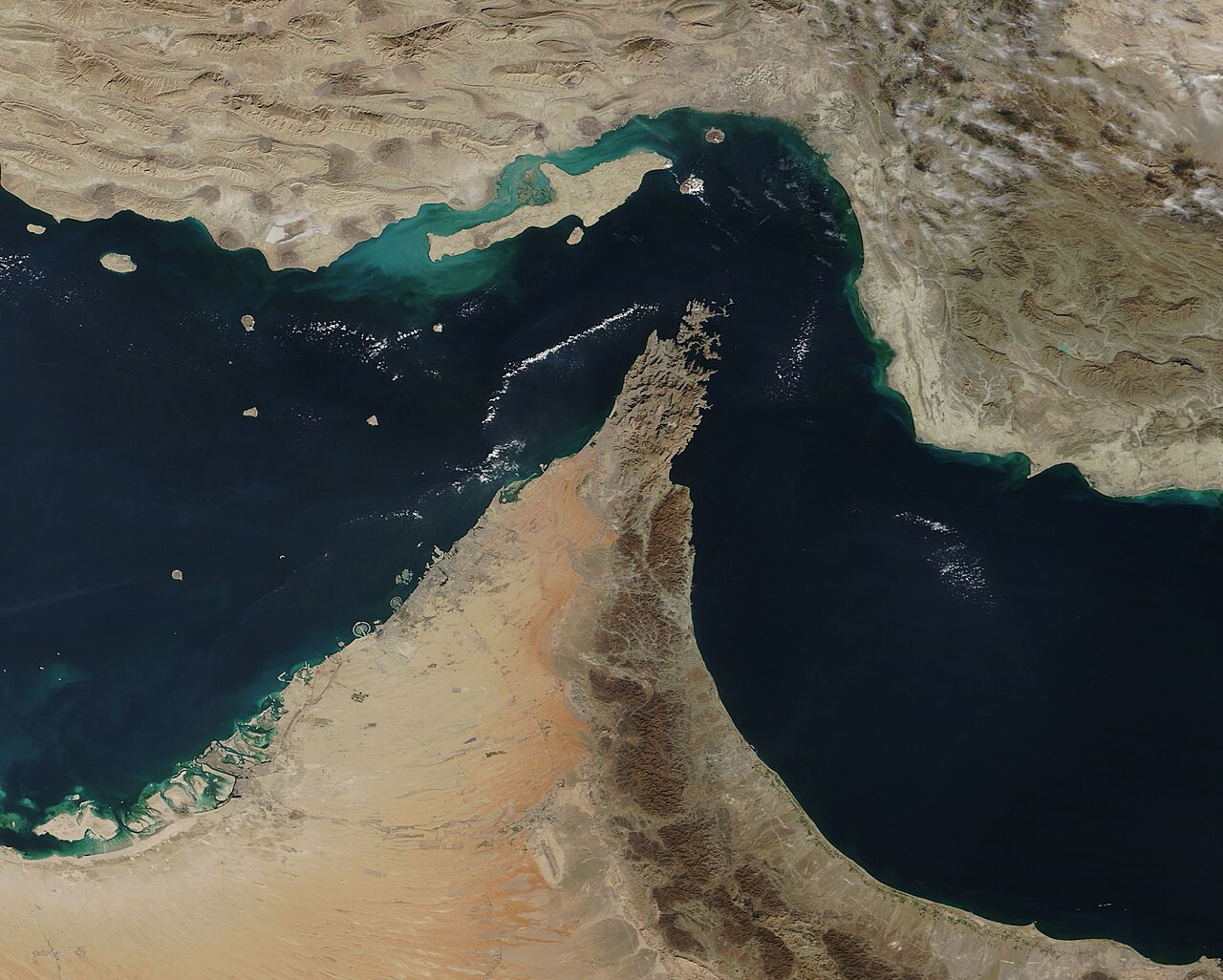
The UN chief also reiterated his call for the full restoration of international navigational rights and freedoms in and around the Strait of Hormuz — a crucial maritime corridor for oil and natural gas exports — and stressed that the exercise of those rights must be respected by all sides in line with international law.
## IMO and UN human rights chief condemn attacks
A day earlier, the UN maritime agency (IMO) condemned overnight attacks on shipping in and around the Strait of Hormuz that killed at least two seafarers, as fresh strikes were reported in the escalating conflict, UN News reported on 14 July (https://news.un.org/en/story/2026/07/1167936).
"We are gravely concerned by the latest attacks," an IMO spokesperson said, adding that the agency is urgently working with authorities to confirm the circumstances. "IMO wholly condemns these attacks. The cycle of escalation must end."
The IMO noted that multiple ships have been struck in the Strait, a route that once carried about 20 per cent of the world's oil and gas exports, and urged restraint and dialogue to protect seafarers and freedom of navigation.
UN High Commissioner for Human Rights Volker Türk said reports of the closure of the Strait of Hormuz were "very alarming for their impact on human rights far beyond the region," describing it as "a vital lifeline on which millions are reliant," UN News reported (https://news.un.org/en/story/2026/07/1167936; OHCHR: https://www.ohchr.org/en/about-us/high-commissioner). "Reported attacks by Iran and the US must stop immediately," Mr Türk said, urging an immediate return to the ceasefire and its implementation consistent with international law.
## 20,000 seafarers at risk
Throughout the conflict, the UN maritime agency has monitored the safety of more than 20,000 seafarers in the region, including those stranded on vessels unable to exit the Strait, UN News reported. In June, IMO said it managed to safely evacuate around 11,000 seafarers but paused the initiative on 25 June following a string of attacks. IMO is also part of a UN-led Task Force on the Strait of Hormuz established in March 2026 (https://www.un.org/sg/en/content/sg/notes-correspondents/2026-03-27/note-correspondents-the-strait-of-hormuz).
## Why it matters
The Strait of Hormuz is a chokepoint for global energy flows, and the UN's repeated warnings foreground the economic and humanitarian stakes of the conflict extending beyond the region. The coordinated statements from the Secretary-General, IMO and the High Commissioner for Human Rights signal a unified UN position: an immediate return to the ceasefire, restraint by all parties, and protection of navigational rights and seafarers under international law.
*All characterisations of state conduct in this draft are direct attributions to UN officials (the Secretary-General, his spokesperson, the IMO spokesperson and the UN High Commissioner for Human Rights) as reported by UN News, and are not the outlet's independent findings.*
Source Reporters corrects errors promptly. Spotted something wrong? Tell us — read our editorial standards and corrections policy.