Space-station study points to mitochondria as driver of astronauts' physical decline
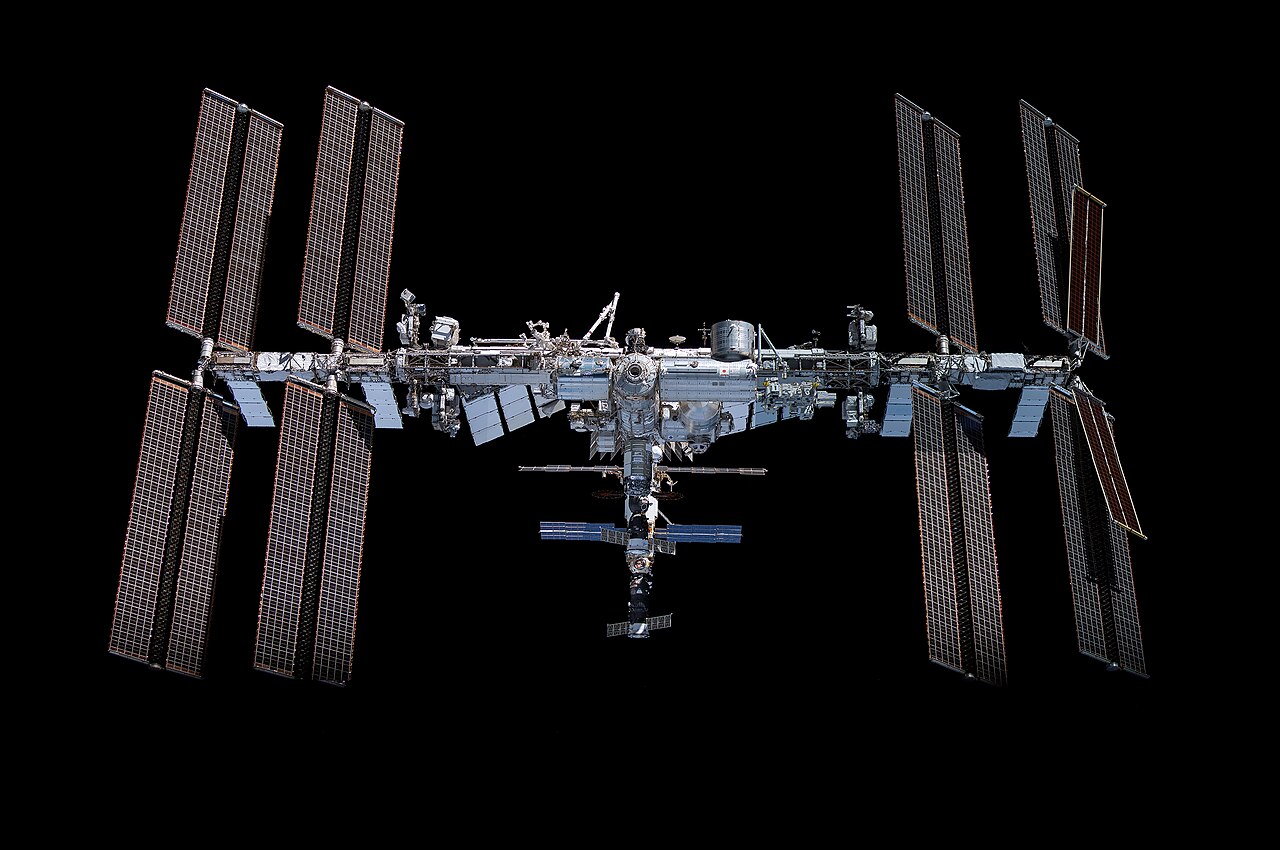
Exposure to microgravity aboard the International Space Station causes mitochondria — the "powerhouses" of the cell — in human cells and in worms to produce fewer proteins, according to a study that identifies a previously unknown molecular pathway linking gravity to cellular function Nature.
By Source Reporters Newsdesk
Fri, 17 July 2026 · 1 min read
Exposure to microgravity aboard the International Space Station causes mitochondria — the "powerhouses" of the cell — in human cells and in worms to produce fewer proteins, according to a study that identifies a previously unknown molecular pathway linking gravity to cellular function [Nature](https://www.nature.com/articles/d41586-026-02089-0).
The work, led by molecular biologist Shintaro Iwasaki at RIKEN in Wako, Japan, and published in Nature Communications on 30 June, found that human cells cultured aboard the station for 24 hours had fewer mitochondrial messenger RNAs and made fewer proteins than Earth-gravity controls kept in a centrifuge [Nature](https://www.nature.com/articles/d41586-026-02089-0).
Similar, though less pronounced, effects appeared in Caenorhabditis elegans worm larvae cultured in microgravity for four days. Back on Earth, the team used a clinostat — a device that spins cells to mimic weightlessness — and found mitochondrial production of 13 proteins dropped after 24 hours, decreasing further over 48 and 72 hours [Nature](https://www.nature.com/articles/d41586-026-02089-0).
The findings help explain why astronauts' bodies waste away in space. Space biologist Thomas Corydon of Aarhus University in Denmark said the results "might have implications for space travellers" and could guide how to better prepare them, while University of Pittsburgh researcher Afshin Beheshti noted the work reveals the molecular mechanisms through which gravity shapes mitochondrial biology [Nature](https://www.nature.com/articles/d41586-026-02089-0).
The study points to cell adhesion — the mechanical way cells stick to surfaces — as the conduit that translates the loss of gravity's pull into reduced mitochondrial protein production, a clue that could inform countermeasures for long-duration missions to the Moon and beyond [Nature](https://www.nature.com/articles/d41586-026-02089-0).
Source Reporters corrects errors promptly. Spotted something wrong? Tell us — read our editorial standards and corrections policy.