CBN Holds Benchmark Rate at 26.5% as Middle East Tensions Cloud Inflation Outlook
Yemi Cardoso says the Monetary Policy Committee chose caution amid renewed geopolitical risk and accelerating food inflation, even as external reserves climb to a 17-year high.
By Source Reporters Newsdesk
Wed, 22 July 2026 · 2 min read
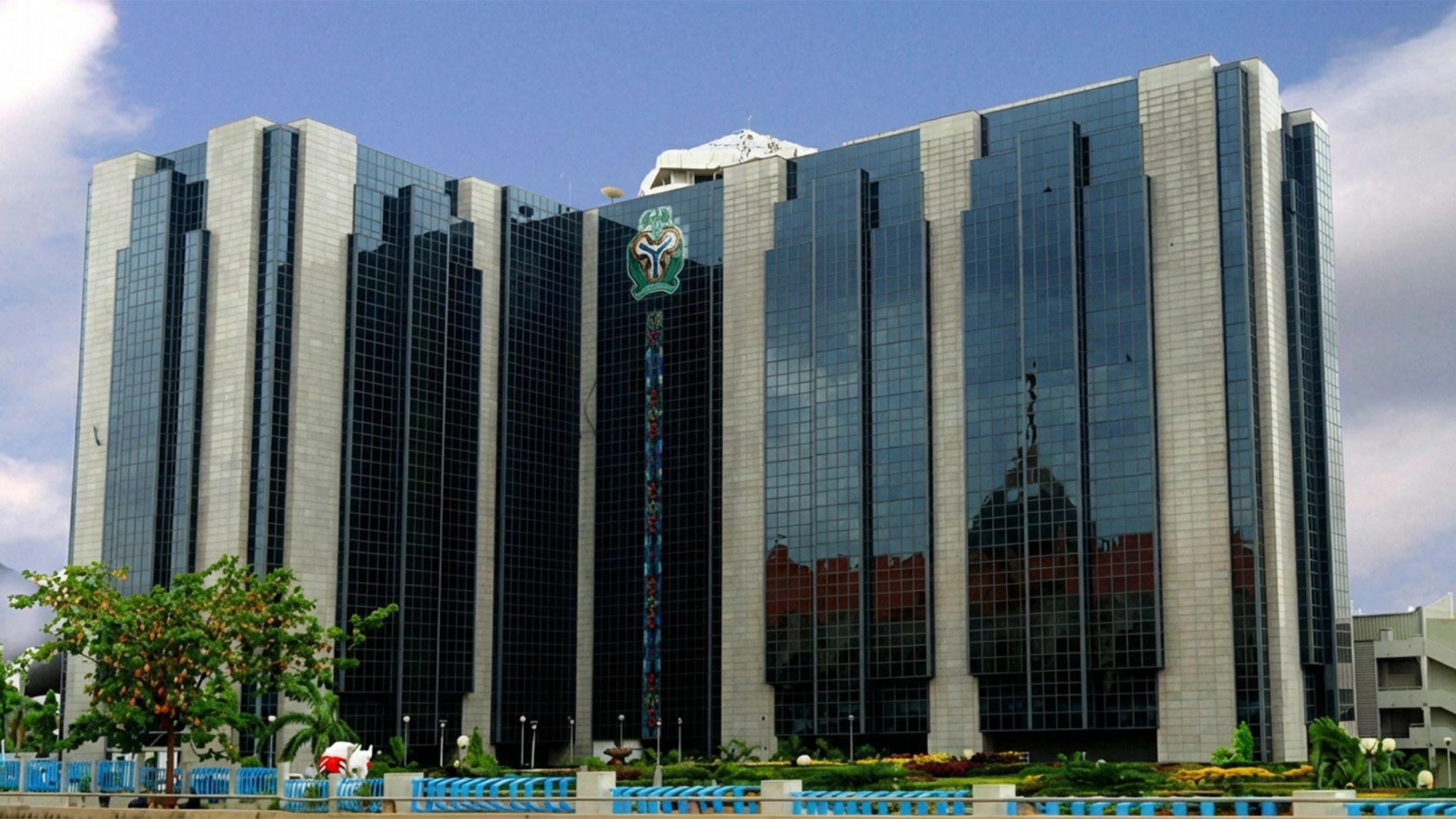
The Monetary Policy Committee (MPC) of the Central Bank of Nigeria has retained the monetary policy rate at 26.5 per cent, opting for a cautious approach to inflation management.
Justifying the decision, the CBN Governor and MPC chairman, Yemi Cardoso, pointed to renewed geopolitical tensions in the Middle East and persistent food inflation. The committee also retained the asymmetric corridor around the rate at +500/-100 basis points and left the cash reserve ratio at 45 per cent for deposit money banks and 16 per cent for merchant banks.
Headline inflation eased marginally to 15.91 per cent in June from 15.93 per cent in May, ending three consecutive months of increase. The relief was uneven: food inflation accelerated to 17.52 per cent from 16.96 per cent, driven by supply constraints in food-producing areas and rising transport costs, while core inflation slowed to 15.92 per cent from 16.82 per cent on the back of exchange rate stability.
The committee said holding the current stance would allow it to assess incoming data before acting further.
On the wider economy, the MPC said Nigeria remained resilient despite external headwinds. Real gross domestic product expanded by 3.89 per cent in the first quarter of 2026, driven mainly by the non-oil sector. External reserves rose to.52 billion as of 17 July, from.47 billion at the end of May, covering about 11 months of imports and representing the highest level in roughly 17 years.
Cardoso dismissed suggestions that the naira is undervalued at about N1,385 to the dollar, saying the bank would continue to run a transparent, liquid and market-driven foreign exchange market. The focus, he said, was not on defending a particular exchange rate level but on ensuring an efficient market operating on a willing-buyer, willing-seller basis. Longer-term stability, he added, would depend on stronger crude oil earnings, increased foreign direct investment, higher domestic productivity and reduced import dependence.
The governor also said the newly introduced Nigeria Official Overnight Rate would replace judgment-based benchmarks with transaction-based pricing in the interbank market, aligning Nigeria with the global shift from LIBOR to risk-free reference rates and supporting the bank's move towards inflation targeting.
The committee welcomed the completion of the banking recapitalisation exercise but urged continued close supervision to preserve financial system stability. Cardoso separately insisted that coins and other lower denominations remain legal tender.
Reported from The Guardian Nigeria (https://guardian.ng/business-services/cbn-pegs-interest-rate-at-26-5-as-meast-tension-raises-inflation-fears/).
Source Reporters corrects errors promptly. Spotted something wrong? Tell us — read our editorial standards and corrections policy.