Oil slides as Iran and Oman push talks to reopen Strait of Hormuz, easing market nerves
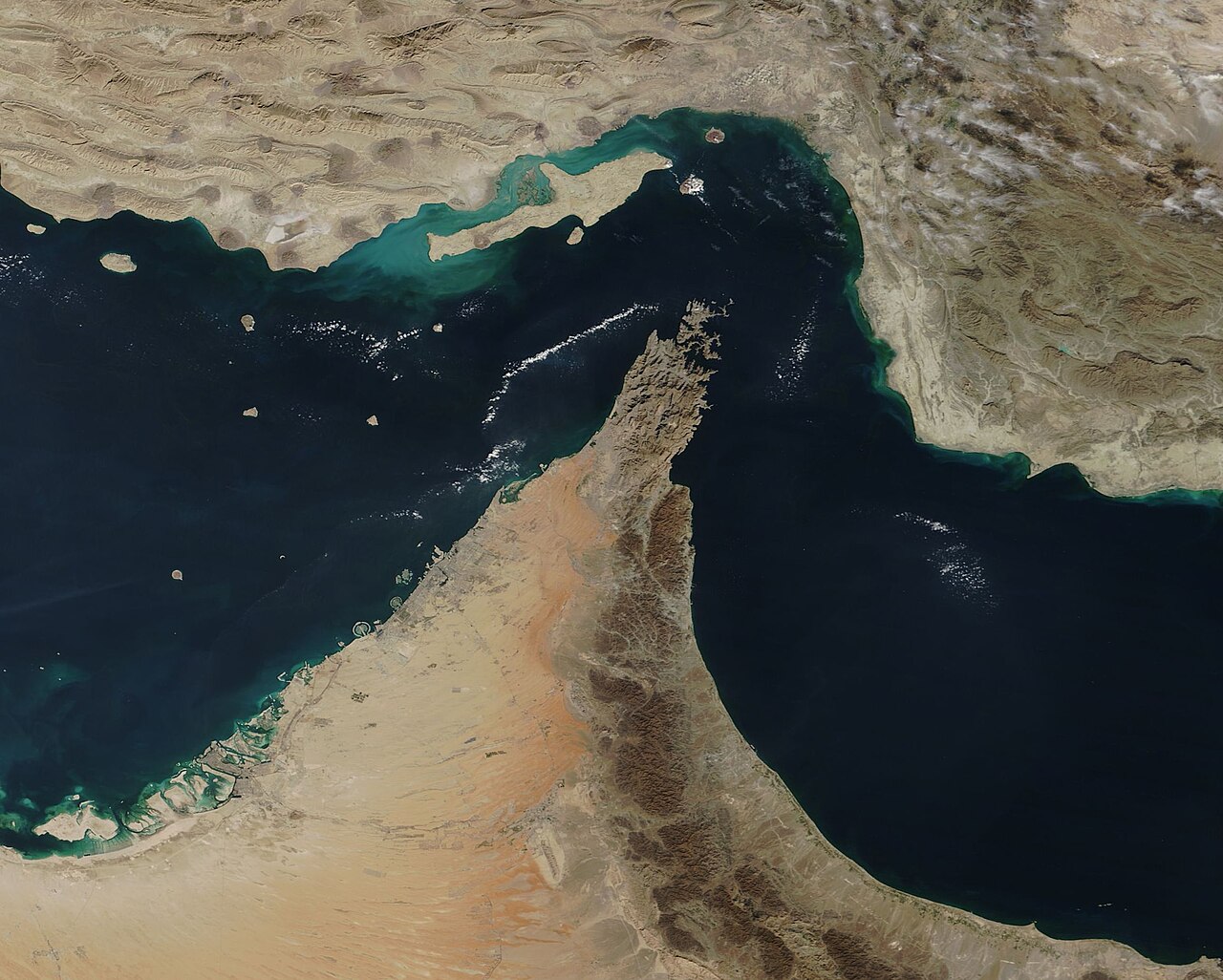
Oil prices slid about 2 percent late Tuesday after Iran and Oman said they were discussing a temporary corridor to reopen the Strait of Hormuz, according to a Reuters report published at 23:03 GMT. Bloomberg separately reported that Tehran and Muscat are pushing talks for an "interim" reopening of the strait, with oil extending declines as the diplomacy progressed.
By Source Reporters Newsdesk
Thu, 27 August 2026 · 2 min read
Oil prices slid about 2 percent late Tuesday after Iran and Oman said they were discussing a temporary corridor to reopen the Strait of Hormuz, according to a Reuters report published at 23:03 GMT. Bloomberg separately reported that Tehran and Muscat are pushing talks for an "interim" reopening of the strait (Bloomberg), with oil extending declines as the diplomacy progressed (Bloomberg).
The diplomatic track marks a notable shift in a crisis that has repeatedly pushed energy prices higher. Earlier this month Brent crude topped $90 a barrel as US-Iran hostilities intensified and shipping through the strait was disrupted, a milestone covered in this newsroom's earlier energy-markets reporting. A reopening corridor, even a temporary one brokered via Oman, would ease the single largest chokepoint risk facing global crude and LNG flows.
The relief rippled through wider financial markets. The Associated Press reported that falling oil prices helped calm both stock and bond markets in Tuesday's session (AP News), while Reuters' daily markets summary noted oil and government bond yields both slid as investors priced in reduced supply-disruption risk (Reuters). Bloomberg's Asia markets wrap pointed to stocks set to gain as oil extended its declines into Wednesday trading (Bloomberg).
Washington's posture remained hard-line even as talks advanced. President Donald Trump said earlier on Tuesday that the Strait of Hormuz had been demined and warned Iran against planting more mines, per Reuters (Reuters), while the US simultaneously pressed allies to sever trade ties with Iran under sweeping new sanctions that Tehran has vowed to counter (BBC). Analysts caution that an interim corridor would fall well short of normalisation: roughly a fifth of global oil transits the waterway, and any renewed strike or mining incident could quickly reverse the price relief.
For import-dependent economies across Europe and Asia — already contending with elevated household energy costs, including an expected three-year-high winter price cap rise in the UK (BBC) — even a partial de-escalation at Hormuz offers the first meaningful downside risk to energy inflation in weeks. Traders will be watching whether the Oman-brokered arrangement holds beyond the initial corridor period.
**Sources:** Google News, BBC
Source Reporters corrects errors promptly. Spotted something wrong? Tell us — read our editorial standards and corrections policy.