Wall St awaits Nvidia's AI verdict after hot inflation data
Markets are on edge as investors await Nvidia's upcoming earnings report, which could provide critical signals about the health of the artificial intelligence sector amid hot inflation data. The semiconductor giant's results are expected to shape sentiment across technology stocks and broader market direction, with traders closely monitoring guidance on AI spending, supply chain constraints, and demand outlook. Hotter-than-expected US inflation figures earlier in the week have added pressure on the Federal Reserve's policy outlook, creating a fragile backdrop for the tech-heavy rally. Analysts caution that Nvidia's performance could serve as a bellwether for the AI investment theme that has driven much of the market's gains this year.
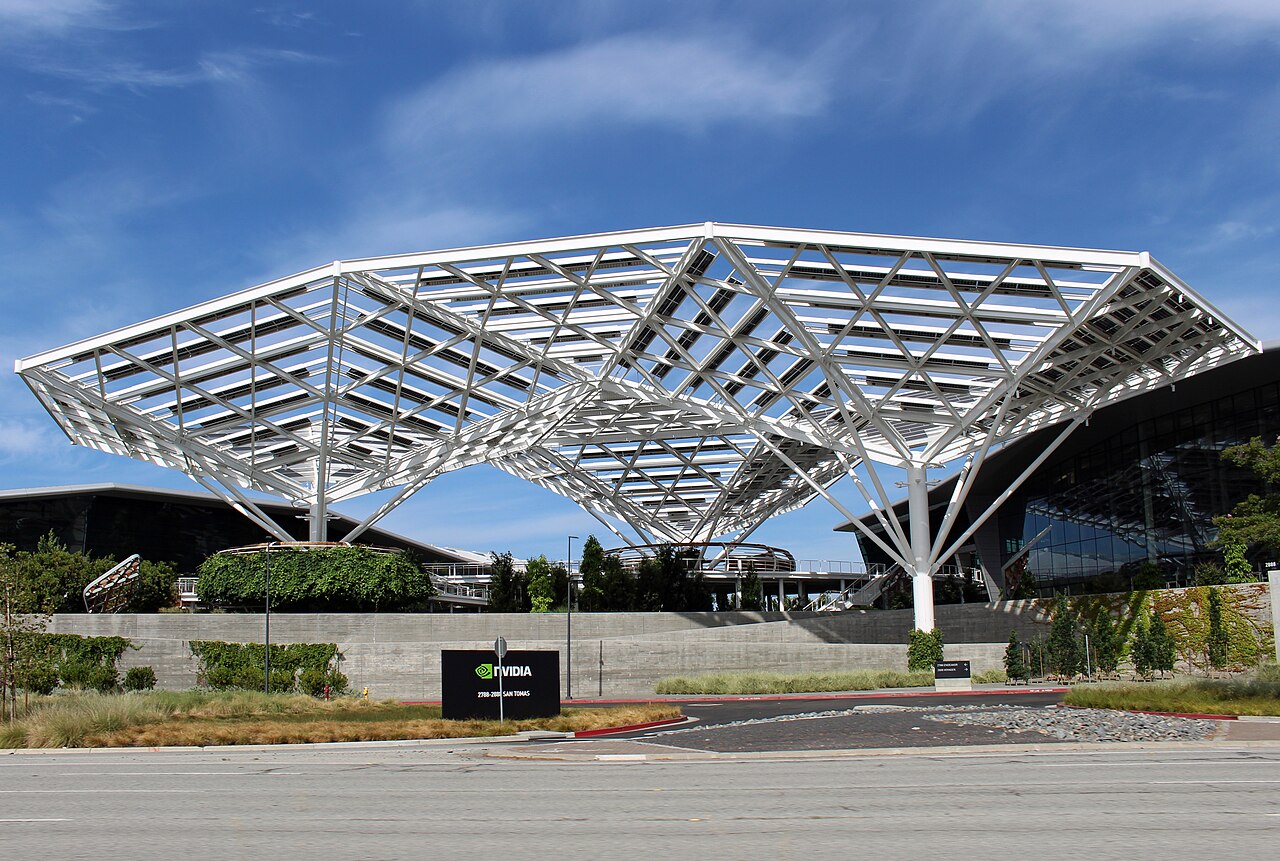
Photo: Coolcaesar via Wikimedia Commons (CC BY-SA 4.0)
Markets are on edge as investors await Nvidia's upcoming earnings report, which could provide critical signals about the health of the artificial intelligence sector amid hot inflation data. The semiconductor giant's results are expected to shape sentiment across technology stocks and broader market direction, with traders closely monitoring guidance on AI spending, supply chain constraints, and demand outlook. Hotter-than-expected US inflation figures earlier in the week have added pressure on the Federal Reserve's policy outlook, creating a fragile backdrop for the tech-heavy rally. Analysts caution that Nvidia's performance could serve as a bellwether for the AI investment theme that has driven much of the market's gains this year.
The convergence of Nvidia's earnings and fresh inflation data presents a pivotal moment for Wall Street. With the Nasdaq and S&P 500 already showing signs of volatility, any unexpected strength or weakness in Nvidia's guidance could trigger rapid repositioning across growth and value segments. Investors are particularly focused on Nvidia's outlook for data-center spending, new product cycles, and any indications of cooling demand in the AI infrastructure build-out. The company's results will likely influence not only semiconductor peers but also broader market expectations for corporate earnings growth in the second half of 2026.
Market participants are also weighing the potential impact of tighter monetary policy against the continued resilience of the AI-driven rally. With the Federal Reserve maintaining a hawkish stance following recent inflation prints above consensus, the risk premium for growth assets has increased. Nvidia's report could either reinforce the view that AI spending remains robust enough to offset higher rates, or reveal signs of saturation and demand moderation that would prompt a broader reassessment of technology valuations. The interplay between company-specific results and macroeconomic data makes this earnings season particularly consequential for market direction.