The swifts of the Western Wall: how one paraglider is helping ancient Jerusalem's birds adapt
Swifts have nested in the stones of Jerusalem's Western Wall for centuries. As the modern city closes in, an Israeli paraglider is helping the birds hold on.
By Source Reporters Newsdesk
Fri, 24 July 2026 · 2 min read
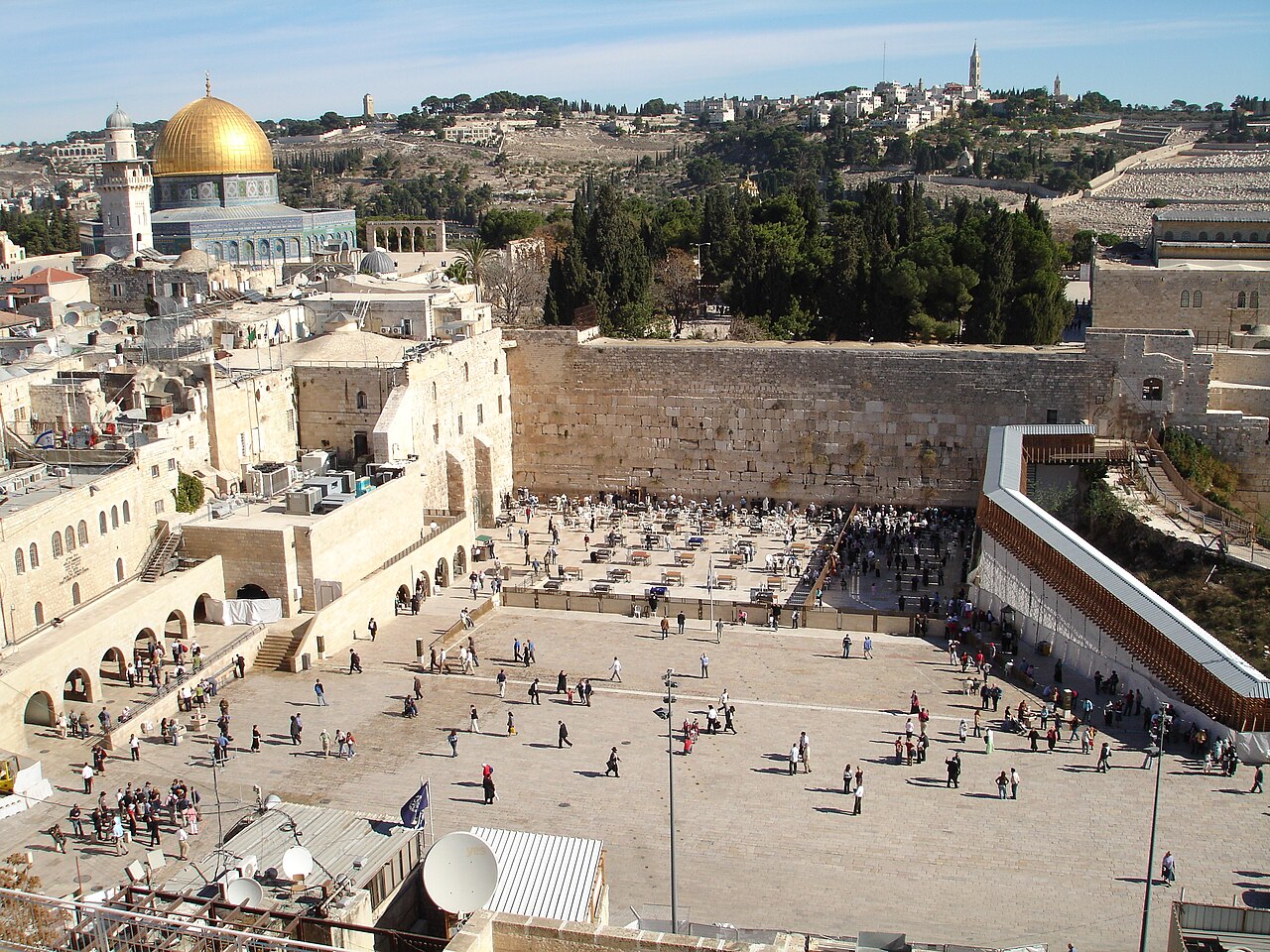
For centuries, common swifts have returned each spring to nest in the crevices of Jerusalem's Western Wall, one of the most revered heritage sites in the world. Their arrival has become an unofficial marker of the seasons in the old city.
But the birds now face a modern challenge. As Jerusalem has grown into a dense, built-up metropolis, the ledges, gaps and open skies that swifts depend on have steadily disappeared, squeezing a population that has nested here since long before living memory.
Into that gap has stepped an unlikely ally: an Israeli paraglider who has taken up the cause of helping the swifts adapt to their changing surroundings, according to reporting on the effort.
Swifts are extraordinary creatures. They spend almost their entire lives on the wing — feeding, sleeping and even mating in the air — and land only to nest. That makes suitable nesting sites, like the ancient cracks of the Wall, precious and hard to replace.
The story is a small, human example of a much larger question facing cities everywhere: how to make room for the wildlife that has long shared our most storied places, even as those places are transformed by construction and crowds.
Conservationists point out that heritage and nature are often intertwined. The swifts are, in a sense, part of the living fabric of the Wall — a wild presence woven into a site defined by faith, history and continuity.
Efforts to preserve their nesting spots, install artificial cavities and raise awareness among visitors reflect a growing recognition that protecting a monument can mean protecting the creatures that call it home.
As the swifts wheel and scream over the plaza each summer, they offer a reminder that even the oldest human places remain part of the natural world — and that keeping them that way takes a little help.
Source Reporters corrects errors promptly. Spotted something wrong? Tell us — read our editorial standards and corrections policy.