England to ban energy drink sales to under-16s from April
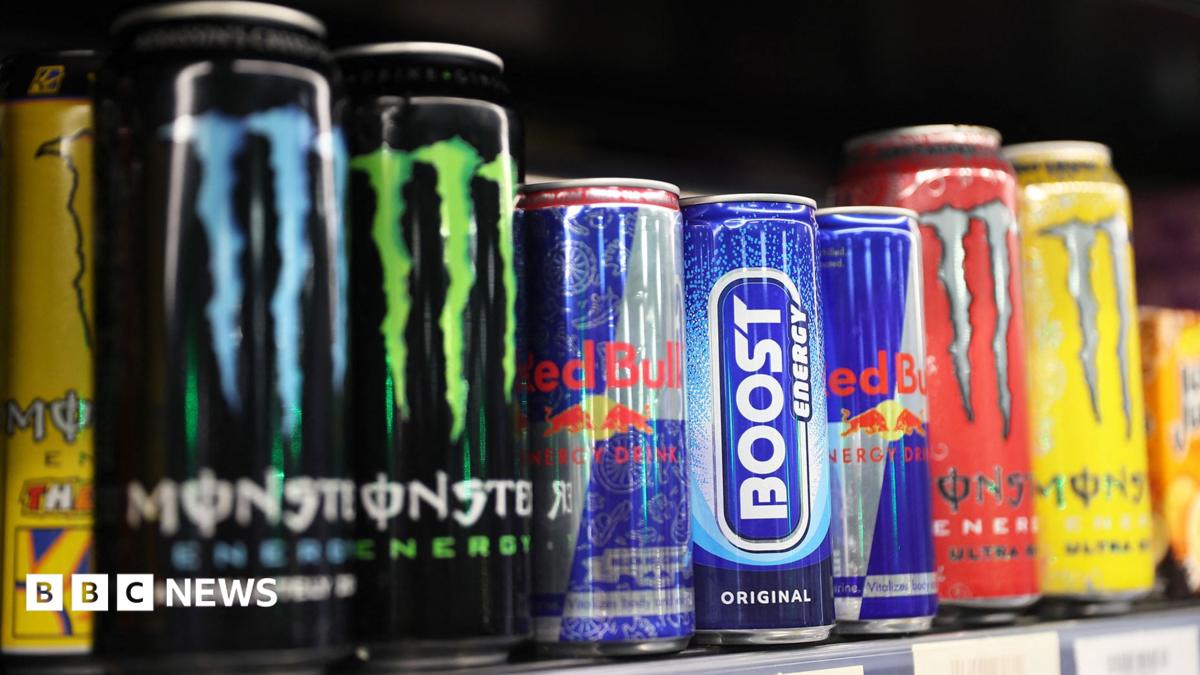
Drinks with more than 150mg of caffeine per litre — including Red Bull, Monster and Prime — will be illegal to sell to children in shops, cafes, vending machines and online.
By Source Reporters Newsdesk
Wed, 22 July 2026 · 2 min read
Children under 16 will be banned from buying high-caffeine energy drinks in England from April, the government has confirmed, more than a year after the measure was first proposed.
Drinks containing more than 150mg of caffeine per litre will be illegal to sell to children and younger teenagers in shops, restaurants, cafes, vending machines and online. Lower-caffeine soft drinks such as Diet Coke are unaffected, as are tea and coffee. Red Bull, Monster, Relentless and Prime all breach the limit.
Ministers say the rules are intended to cut childhood obesity and address disrupted sleep, heightened anxiety, poor concentration and weaker school performance. "This demonstrates our firm commitment to creating the healthiest generation of children ever," said Public Health Minister Sharon Hodgson.
The physiological case rests on body size and brain development. Young people can be more sensitive to caffeine than adults because they are smaller and their brains are still maturing. Too much can cause a rapid heart rate, abnormal heart rhythms and seizures. For most adults, up to 400mg a day — around four cups of instant coffee or five cups of tea — is considered safe; some popular energy drinks contain more caffeine than two cups of coffee or four cans of cola. The Association of UK Dieticians notes that the sugary versions also contribute to obesity and damage teeth.
Labelling rules already flag the risk without restricting sales. Any drink other than tea or coffee containing more than 150mg of caffeine must carry a warning that it is not recommended for children or for pregnant or breastfeeding women. The industry has also had a voluntary commitment in place since 2010 not to market or promote energy drinks to under-16s — a commitment that plainly has not kept the cans out of teenagers' hands.
The ban will be introduced through secondary legislation using powers under the Food Safety Act 1990 and is subject to parliamentary approval. Enforcement will fall to local authorities, and businesses that break the law could face fines of up to £2,500.
It follows a consultation that drew 1,100 responses and showed strong support for an age restriction. Katharine Jenner, executive director of the Obesity Health Alliance, said limiting sales to children "at a vital time in their life is just common-sense".
Source Reporters corrects errors promptly. Spotted something wrong? Tell us — read our editorial standards and corrections policy.