H5N1 bird flu detected in Australia for first time, alarming wildlife scientists
Highly pathogenic avian influenza H5N1 was detected in Australia for the first time in June 2026, in birds in a remote region in the west of the country, researchers reported in a Nature correspondence published on 14 July. It remains unknown whether the virus has spread to other wildlife, although livestock appear unaffected so far, according to Euan G. Ritchie of Deakin University and Marissa L. Parrott of the University of Melbourne.
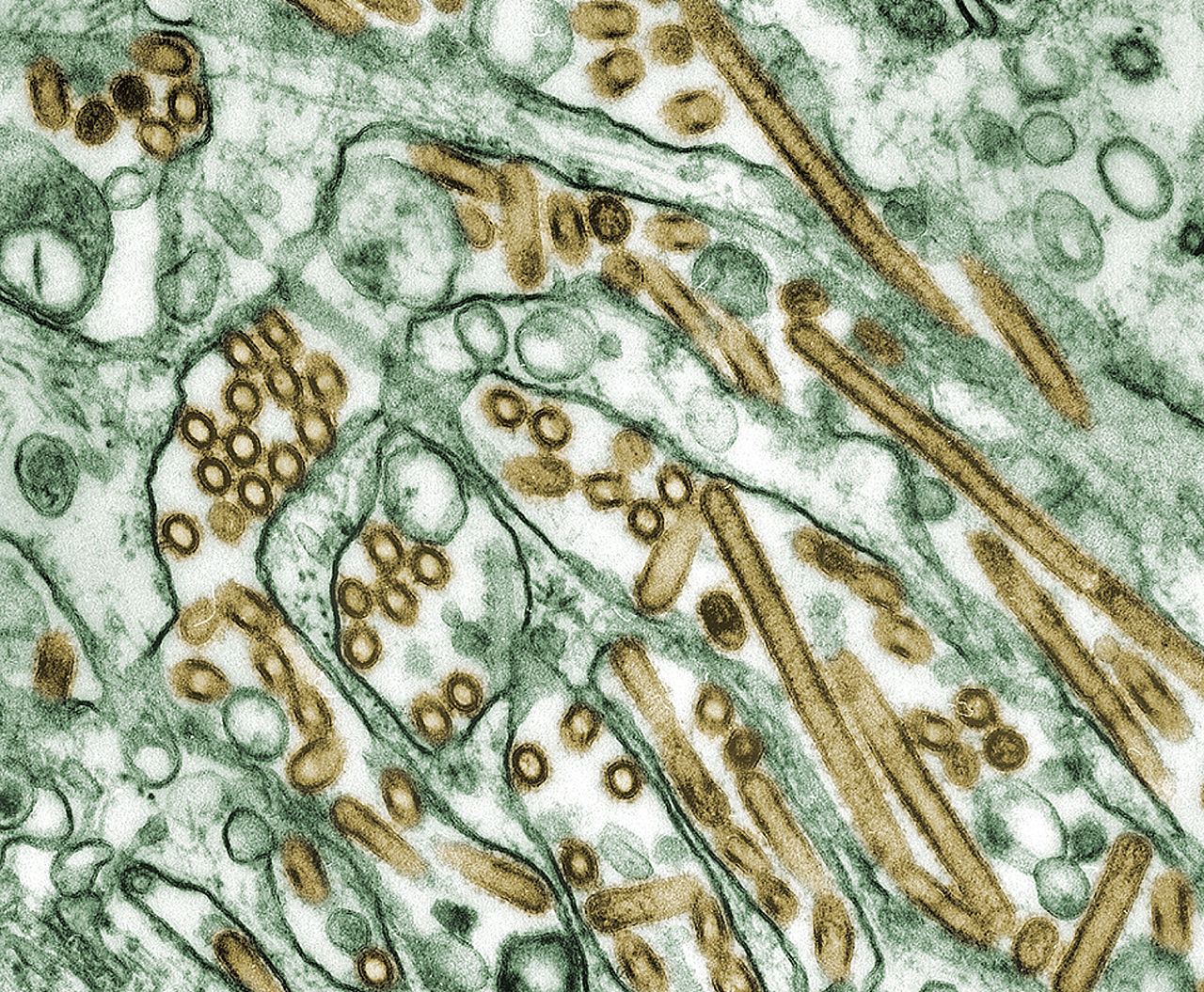
By Source Reporters Newsdesk
Sun, 19 July 2026 · 1 min read
Highly pathogenic avian influenza H5N1 was detected in Australia for the first time in June 2026, in birds in a remote region in the west of the country, researchers reported in a Nature correspondence published on 14 July (https://www.nature.com/articles/d41586-026-02188-y). It remains unknown whether the virus has spread to other wildlife, although livestock appear unaffected so far, according to Euan G. Ritchie of Deakin University and Marissa L. Parrott of the University of Melbourne.
The authors warn that H5N1 is now being detected across the country and that its impact on Australia's many endemic and increasingly imperilled species "could be substantial," citing earlier work on the threat to Australian fauna (S. Ryding et al., Austral Ecology, 2025 — https://doi.org/10.1111/aec.70048). Australia had been one of the last major landmasses free of the H5N1 clade that has swept through wild and domestic birds and mammals on other continents.
The arrival of the virus on a new continent carries global pandemic-preparedness significance. Nature has separately tracked the science of whether bird flu could become the next human pandemic (https://www.nature.com/articles/d41586-025-03777-z). While the correspondence focuses on wildlife rather than human health, the detection underscores the widening geographic reach of a virus that has caused mass die-offs of birds and mammals overseas and sporadic, often severe, human cases.
Ritchie and Parrott call for protecting Australian species from the virus, arguing that surveillance and conservation preparedness are needed while the outbreak's extent in wildlife is still unclear. The piece is a correspondence (letter) rather than a report of new field data, signalling that Australian scientists are urging a swift monitoring and response effort as the southern hemisphere winter progresses.
Source Reporters corrects errors promptly. Spotted something wrong? Tell us — read our editorial standards and corrections policy.