Health Worker Monitored for Ebola at London Hospital After DRC Evacuation
The UK Health Security Agency says the humanitarian worker has no symptoms and was flown out as a highly precautionary measure.
By Source Reporters Newsdesk
Wed, 22 July 2026 · 2 min read
A humanitarian worker is being monitored at a specialist hospital in London after potential exposure to the Ebola virus.
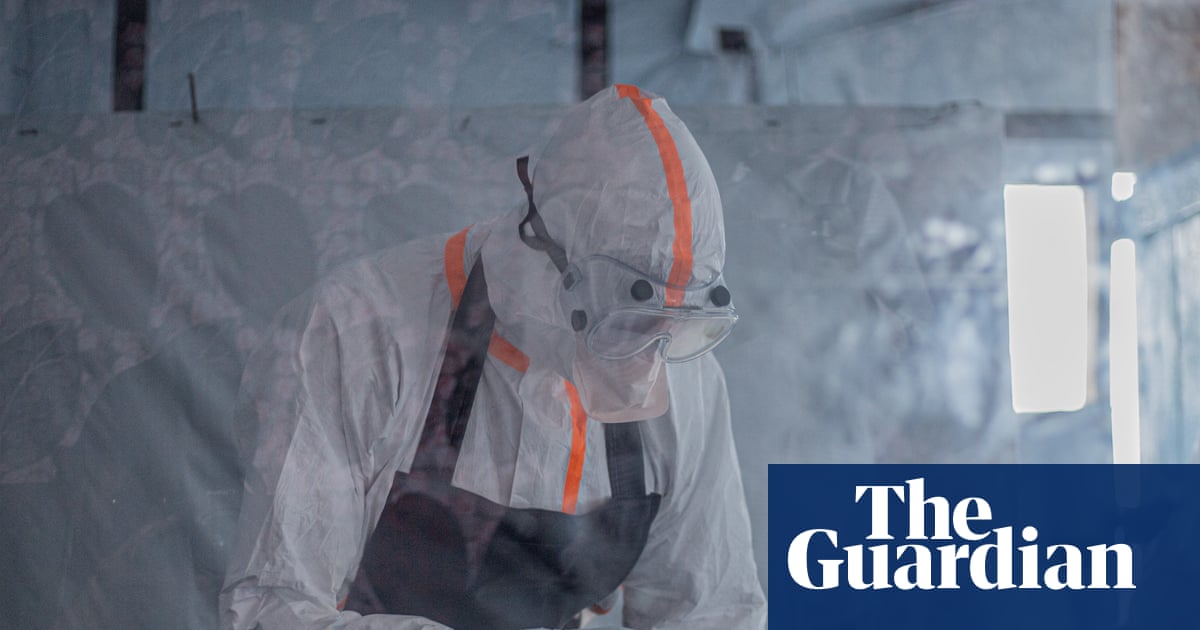
The UK resident was medically evacuated from the Democratic Republic of the Congo, where they had been treating patients with the disease, the UK Health Security Agency said.
UKHSA described the evacuation as a "highly precautionary measure". The agency said: "The individual is not currently displaying any symptoms and remains well, but as a precautionary measure they have been evacuated on a flight chartered solely for the evacuation. They are now being assessed and monitored in isolation by infectious disease specialists at a London hospital."
Because the incubation period for Ebola ranges from two to 21 days, the worker will be closely monitored and required to isolate throughout that window even if they remain symptom-free. There are no confirmed cases of Ebola in the UK, and the agency said the risk to the general public remains low.
Richard Pebody, director of epidemic and emerging infections at UKHSA, said: "This individual has been transferred out of an abundance of caution and we're pleased they remain well."
The case follows a similar episode last month, when a patient suspected of having the virus at the Queen Elizabeth University Hospital in Glasgow tested negative. Precautionary measures were taken there after the patient was admitted.
The evacuation reflects the seriousness of the outbreak the worker was responding to. An outbreak in the Democratic Republic of the Congo and Uganda in May was declared a public health emergency of international concern by the World Health Organization — the WHO's highest level of alert, reserved for events that pose a risk of international spread.
Ebola is transmitted to humans from wild animals and then spreads through direct contact with the blood, secretions, organs or other bodily fluids of infected people, and with contaminated surfaces and materials such as bedding or clothing. That transmission route is why healthcare and humanitarian workers treating patients face a markedly higher risk than the general population, and why isolation protocols focus on close contacts rather than broad public measures.
According to the WHO, early symptoms include fever, fatigue, malaise, muscle pain, headache and sore throat. These are followed by vomiting, diarrhoea, abdominal pain, rash, and signs of impaired kidney and liver function — a progression that makes the early, non-specific stage difficult to distinguish from far more common illnesses, and which is the reason suspected cases are managed cautiously until testing is complete.
Reported from the Guardian.
Source Reporters corrects errors promptly. Spotted something wrong? Tell us — read our editorial standards and corrections policy.