Why Americans and Britons are flying to Turkey for surgery: inside a medical tourism boom
Turkey's medical tourism market is worth around $4.6bn as US and UK patients chase world-class hospitals and 50-80% savings. We look at the hospitals, the technology — and the risks.
By Source Reporters Newsdesk
Fri, 24 July 2026 · 5 min read
Once known to Western visitors mainly for its beaches, bazaars and Byzantine history, Turkey has quietly become one of the busiest medical destinations on earth. Each year hundreds of thousands of foreign patients — an increasing number of them American and British — fly in for treatments ranging from hair transplants and dental work to robotic cancer surgery, drawn by internationally accredited hospitals and prices a fraction of those at home.
The scale of the industry is striking. Market reports value Turkey's medical tourism sector at roughly $4.6 billion in 2026, with projections of growth to around $12 billion by 2033 at an annual rate near 15%. The country welcomed an estimated 1.5 million health tourists in 2024, generating about $3 billion, and in the second quarter of 2025 alone it recorded some 733,798 health visitors and $1.39 billion in revenue. The United States, United Kingdom, Canada and Western Europe are consistently among the leading source markets.
For British patients, the pull is often the National Health Service itself. Long waiting lists for consultations and procedures, combined with the fact that the NHS does not fund cosmetic treatments, have pushed many to look abroad. A hair transplant illustrates the gap: a mid-sized FUE procedure at a Ministry of Health-licensed clinic in Istanbul typically runs between about £2,200 and £3,800 all-in, against £12,000 to £15,000 at a Harley Street clinic in London. Full-mouth 'all-on-four' dental implants cost roughly £2,800 to £3,200 in Turkey versus £8,000 to £15,000 in the UK.
American patients are increasingly making the same calculation. Industry data suggests medical travel to Turkey can deliver savings of 50% to 80% against US cash prices even after flights and hotels are factored in. Dental work is often cited as around 70% cheaper than in the United States, while gastric sleeve weight-loss packages commonly range from $4,000 to $7,000 at accredited hospitals in Istanbul and Antalya — a fraction of typical private US and UK prices.
Much of that value is packaged. Turkish providers frequently sell all-inclusive deals that bundle the surgery with hotel accommodation, airport and clinic transfers, medication and aftercare, with patients typically staying five to fourteen days in-country and seeing their surgeon for follow-up before flying home.
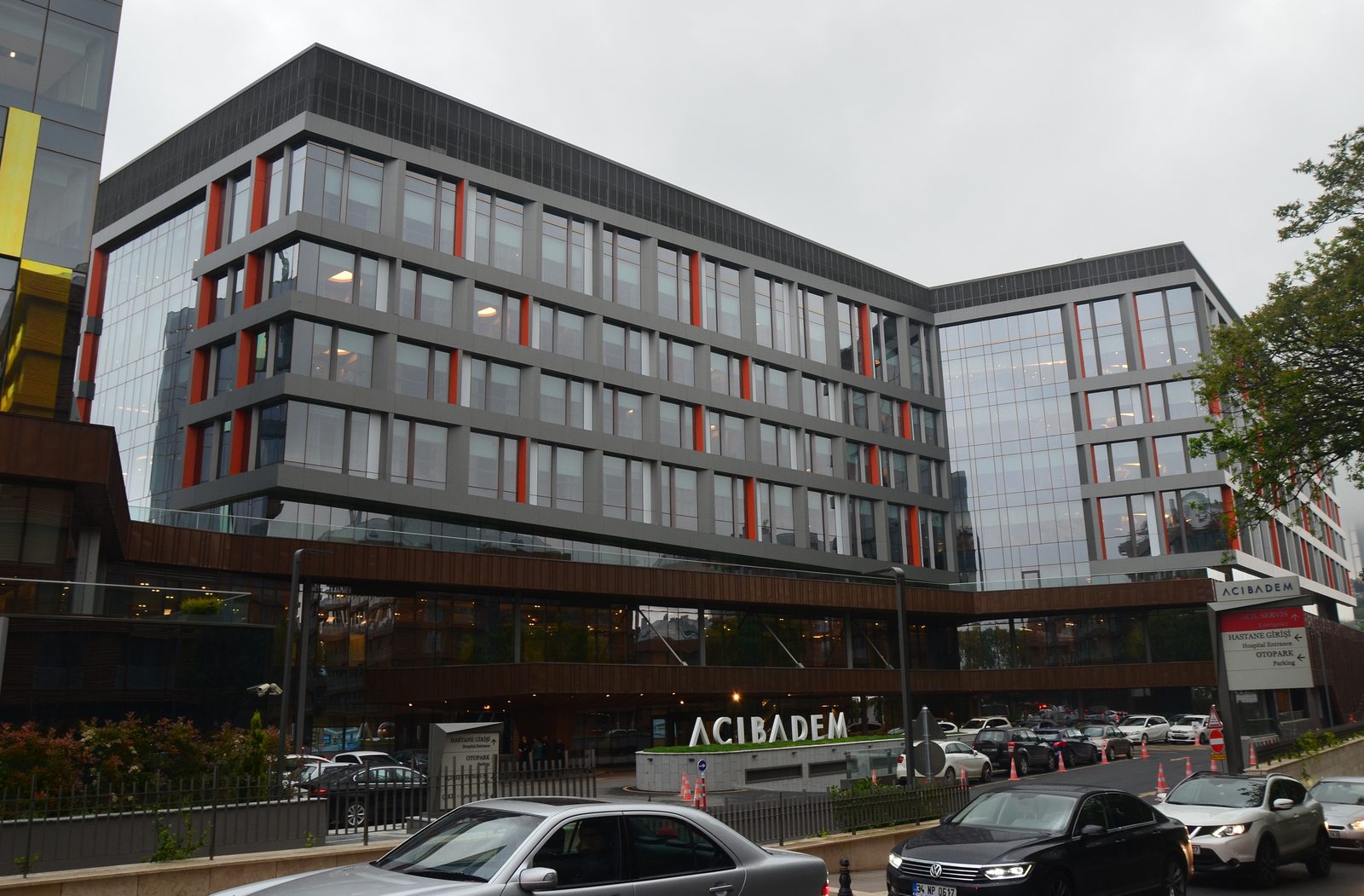
Underpinning the boom is a tier of large, internationally accredited hospital groups. The Acıbadem Healthcare Group, with sites in Istanbul, Ankara, Adana and Bursa, reports a workforce of some 22,500 medical staff and more than 3,300 beds, treating around five million patients a year across cancer care, cardiology, transplants, neurosurgery and even FIFA-accredited sports medicine. The Anadolu Medical Center near Gebze operates in affiliation with Johns Hopkins Medicine, while Memorial, Liv Hospital, Florence Nightingale, Medicana, the American Hospital in Istanbul and the Medical Park network (part of the MLP Care Group) round out a crowded field of major players.
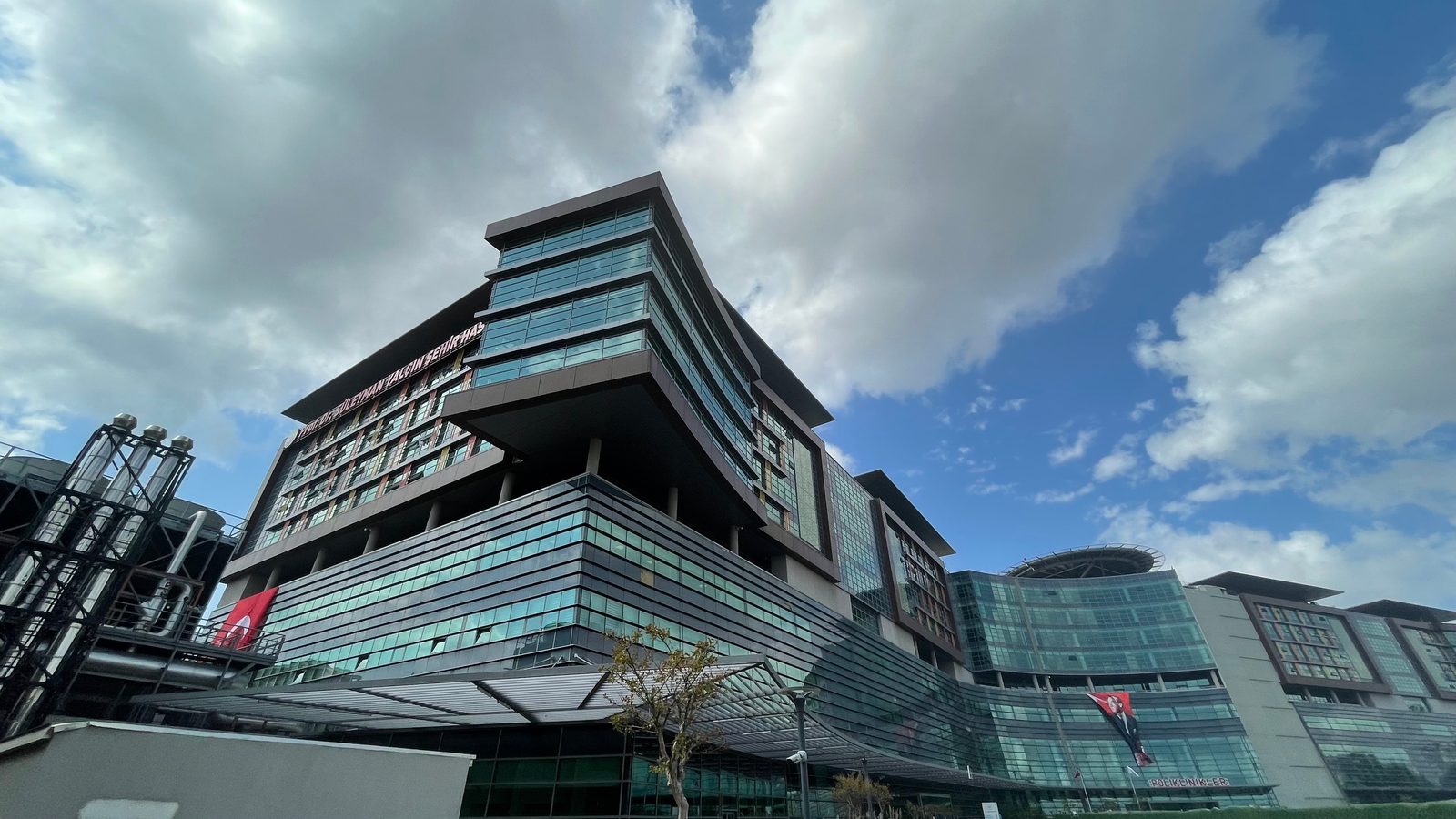
The common thread among the leading names is accreditation by the US-based Joint Commission International (JCI) — the same benchmark used to assess many top Western hospitals. JCI status signals that a facility meets international standards for infection control, patient safety and clinical governance, and it is one of the clearest ways for an overseas patient to separate a world-class hospital from a budget clinic competing purely on price.
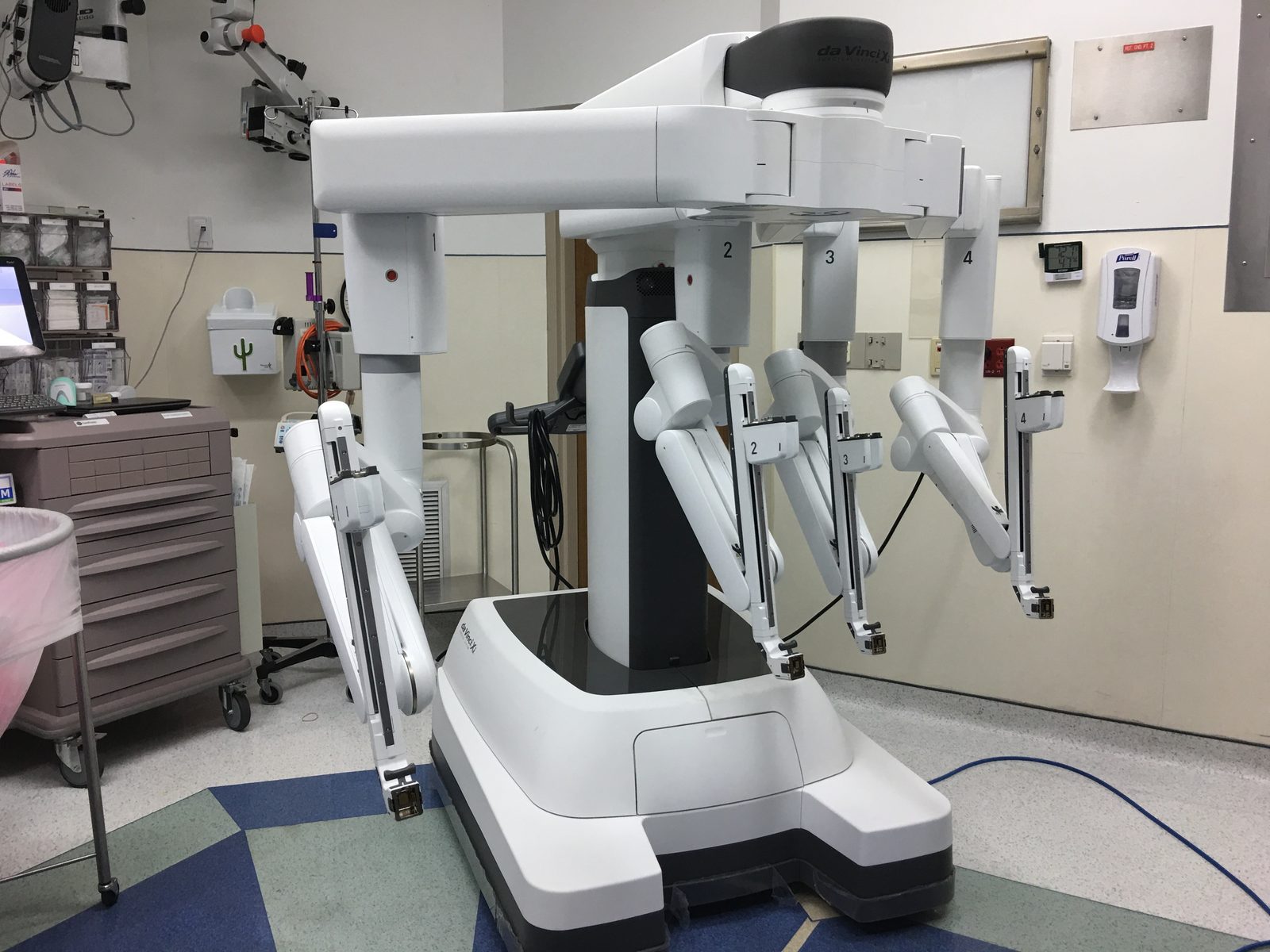
Technology is central to the pitch. Turkish hospitals have invested heavily in robotic surgery, with the da Vinci surgical system widely used for complex urological and oncological operations. Surgeons at centres such as Anadolu Medical Center and the Memorial group are reported to have each performed well over 900 robotic prostatectomies, and specialists like Prof. Dr. İlker Tinay lead high-volume uro-oncology programmes built around the platform.
Cancer care showcases some of the country's most advanced kit. Medipol Mega University Hospital — described as Turkey's first JCI Academic-accredited facility — runs TrueBeam LINAC and Gamma Knife systems for precision radiotherapy, while at least one Turkish centre operates a CyberKnife M6 unit said to be one of only a handful in Europe. Proton-beam therapy and other targeted radiation options add to a menu that increasingly rivals what patients would find in the US or UK.
The range of procedures on offer is broad. Beyond the headline draws of hair restoration, dentistry and aesthetic surgery, Turkish hospitals market cardiac and neurosurgery, organ transplants, IVF and fertility treatment, eye surgery and bariatric operations — often to patients who would face long waits or steep bills at home.
But the boom has a darker side that doctors on both sides of the exchange are increasingly vocal about. Reports indicate that at least six Britons died in Turkey in 2024 following medical procedures, with further fatalities recorded since. Among widely reported cases, Hayley Dowell, 38, died after complications from a combined Brazilian butt lift, tummy tuck and liposuction. The British Association of Aesthetic Plastic Surgeons (BAAPS) has repeatedly warned patients to think carefully before having surgery abroad, noting a sharp rise in complications it has had to treat.
The costs of things going wrong can land back home. A study reported in January 2026 found that botched surgical tourism can cost the NHS almost £20,000 per patient, as British hospitals treat infected wounds, revision surgery and, in some cases, intensive-care admissions after operations performed overseas. Surgeons have also flagged the phenomenon of so-called 'Turkey teeth' — the aggressive filing down of healthy teeth to fit crowns or veneers — and airlines have raised concerns about passengers flying shortly after major procedures.
Specialists stress that the picture is not simply 'Turkey good' or 'Turkey bad'. Safety, they say, depends far less on the country than on the specifics: the surgeon's credentials and volume, whether the facility is genuinely accredited, the honesty of the pre-operative assessment, and the quality of aftercare — including who manages any complications once the patient is back home. The same market that contains some of the world's best-equipped hospitals also contains clinics cutting corners to win price-sensitive customers.
For now, the trajectory is clear: Turkey has established itself as a global leader in health tourism, and for many American and British patients the combination of accredited hospitals, cutting-edge technology and dramatic savings is hard to ignore. The lesson threaded through the experts' warnings is equally clear — that a decision to fly abroad for surgery is a medical one first, and a financial one second.
Source Reporters corrects errors promptly. Spotted something wrong? Tell us — read our editorial standards and corrections policy.