Prevention is the cheapest medicine England refuses to buy
An energy drinks ban, a diabetes surge among women in their 20s, and 16 million people too far from a defibrillator. The NHS keeps paying for the same illness twice.
By Source Reporters Newsdesk
Wed, 22 July 2026 · 3 min read
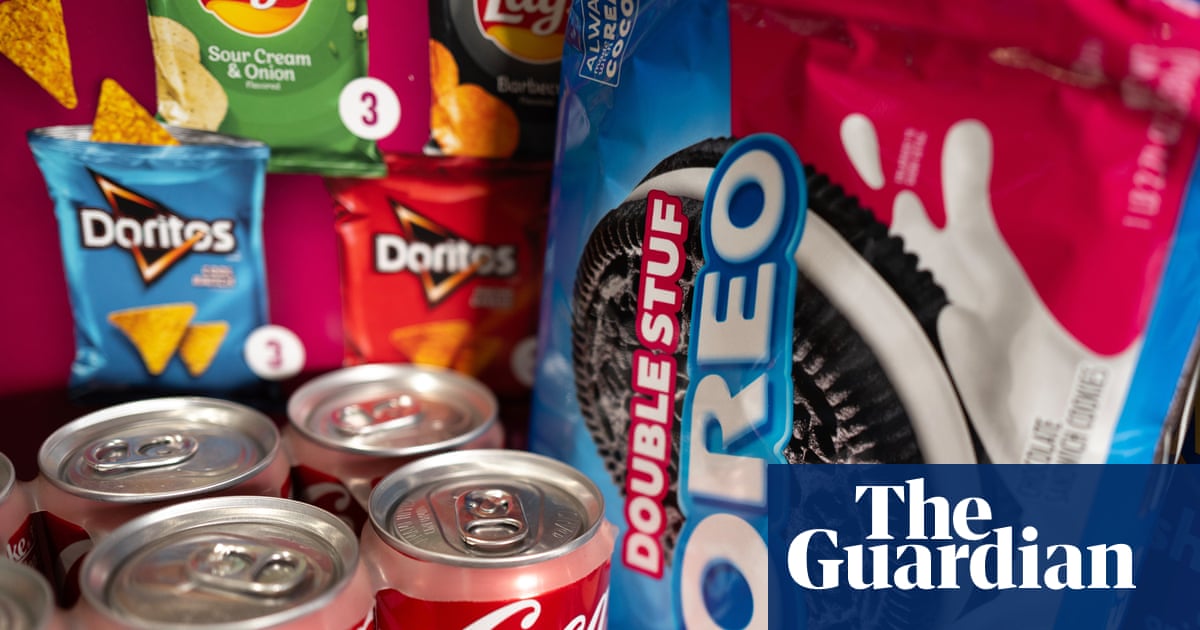
From April, children under 16 in England will not be able to buy Red Bull, Monster or Prime. The rules are sensible, evidence-backed, supported by 1,100 consultation responses, and enforced with fines of up to £2,500. They are also arriving more than a year after they were first proposed, for a harm that has been documented for a decade.
That lag is the whole problem with English public health policy, and it costs more than anyone bothers to count.
Consider what landed in the same news cycle. Researchers at Imperial College London reported a "worrying increase" in type 2 diabetes among women in their 20s, most of it since the pandemic and closely tracking rising obesity. Roughly 12,000 people under 30 in England now live with the disease. Diagnosed young, it is more aggressive, and Diabetes UK warns it raises the risk of complications that shorten lives. Nearly one in three adults in England is now obese.
Separately, the Heart Restart campaign found that more than 16 million people in England and Wales live farther than a 1km round trip from a 24/7 defibrillator — the distance beyond which a cardiac arrest is very likely to be fatal. Thirty-five million, over half the population, are outside the recommended three-to-five-minute reach. In 264 of 318 local authorities, most residents cannot get to one in time. Survival chances fall by up to 10% for every minute without CPR and defibrillation, and fewer than one in ten of the UK's 40,000 annual out-of-hospital cardiac arrests are survived.
Each of these has a known, cheap intervention. Restrict the marketing and sale of the products driving the harm. Diagnose diabetes early, when remission through diet and weight loss is still realistic. Put defibrillators where people actually live. None requires a scientific breakthrough. All require someone to act before the emergency rather than after it.
The reason they do not happen quickly is not mysterious, and this week produced unusually direct evidence of it. A Guardian investigation with Lighthouse Reports and academic partners identified 235 lawsuits filed against government health policies on ultra-processed food in Mexico, Colombia, Brazil, the US and the UK between 2010 and 2025. Three-quarters were brought by UPF manufacturers or their trade associations. Of the resolved cases, three-quarters were lost by the companies — but the litigation consumed the equivalent of almost 600 years of court time.
Losing slowly is the strategy. "Food companies are well trained," said Marion Nestle, professor of nutrition and public health at New York University. "They follow the tobacco industry playbook to the letter. When all else fails, sue." Her sharper observation is that the firms would not fight this hard if the rules did not work: "The lawsuits tell us that public health measures reduce sales of unhealthful products."
Against that, the British energy drinks industry's defence is instructive. Its members have had a voluntary commitment since 2010 not to market energy drinks to under-16s, and the cans carry a "not recommended for children" label. Sixteen years of self-regulation, and the government still judged a statutory ban necessary. Voluntary codes are what an industry offers instead of a law, and they last exactly as long as the threat of one.
Meanwhile the treatment side of the ledger shows what happens when a proven intervention is simply not distributed. A 10-year NHS study of nearly 3,500 men found focal therapy for prostate cancer as effective as surgery with less than half the side effects. Around 1,000 men a year receive it; up to 15,000 could benefit. One patient told the BBC it was "the fact that I live in London" that got him the option.
The pattern repeats across all of it: the knowledge exists, the intervention is affordable, and the delivery is a postcode lottery presided over by a system that funds the heart attack, the amputation and the emergency admission without hesitation while haggling over the defibrillator, the label and the screening appointment.
Luke Taylor MP wants VAT scrapped on defibrillators, pads and batteries. It is a small measure and it should be uncontroversial. That it will probably take years is the point.
Source Reporters corrects errors promptly. Spotted something wrong? Tell us — read our editorial standards and corrections policy.