Japan's Takaichi loses public patience as voters tire of culture-war fights over cost of living
Two new polls show support fraying for Japan's first female prime minister, who critics say has spent political capital on conservative priorities instead of economic pressure facing households.
By Source Reporters Newsdesk
Fri, 24 July 2026 · 3 min read
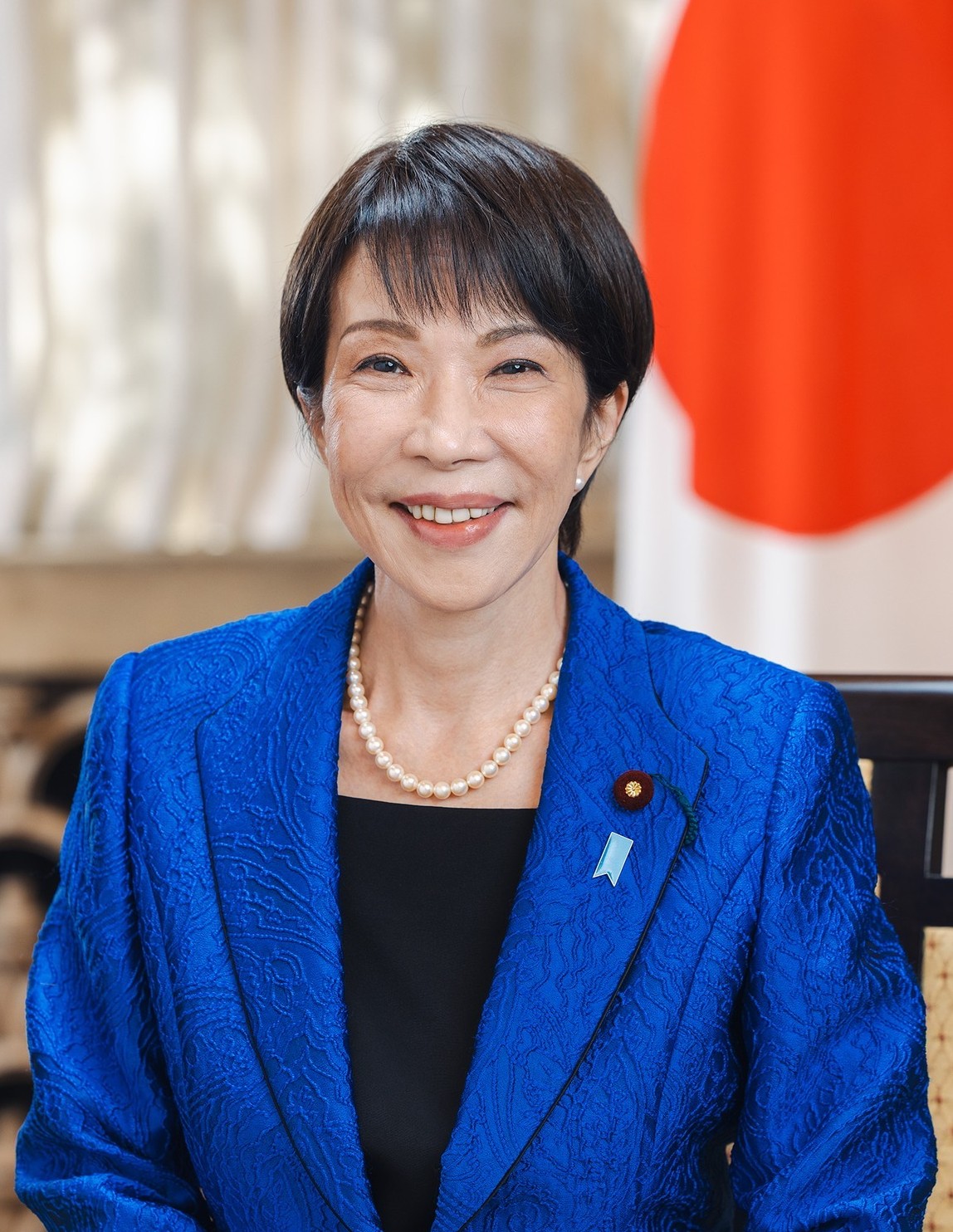
Public support for Japanese Prime Minister Sanae Takaichi is fraying less than a year into her tenure, with two new opinion polls suggesting voters are losing patience with a leader who secured a sweeping mandate in February but has since directed much of her political energy toward conservative social priorities rather than the cost-of-living pressures weighing on Japanese households.
Takaichi made history in October 2025 when she became prime minister after winning the leadership contest for the Liberal Democratic Party following Shigeru Ishiba's resignation, making her the first woman to hold the office in Japan's history. Her rise was widely seen as a significant moment for a political culture that has historically offered limited pathways to top leadership for women, and her February electoral mandate gave her coalition a strong position from which to govern.
In the months since, however, Takaichi has drawn criticism — including from within her own political coalition — for prioritizing conservative legislative initiatives over more immediate economic concerns. Among the notable pieces of legislation her government has advanced is a bill amending the Imperial House Law, which she addressed directly in press remarks on July 17. While symbolically significant to segments of Japan's conservative political base, such legislation has done little to address the inflationary pressures and stagnant wage growth that polling consistently identifies as the top concern among Japanese voters.
New surveys suggest that gap between government priorities and public concerns is now translating into declining approval, with voters described in recent polling as "pretty angry" over the sense that culture-war legislative fights have taken precedence over kitchen-table economic issues. That frustration comes at a delicate moment for Takaichi diplomatically as well as domestically: she has maintained an active international schedule, including a visit to New Delhi in early July for meetings with Indian Prime Minister Narendra Modi and a Japan-Solomon Islands summit in late July, engagements aimed at reinforcing Japan's regional diplomatic role even as her domestic standing weakens.
Takaichi's political troubles come against the backdrop of a broader affordability crisis that has strained households across many of the world's advanced economies this year, driven by a combination of persistent inflation, energy costs, and — in Japan's case — a historically weak yen that has raised the price of imported goods even as it has boosted export competitiveness and tourism revenue. Governments across multiple democracies have faced similar political penalties in 2026 for perceived inattention to affordability pressures, a dynamic that has contributed to leadership instability in several countries this year, including the recent change of government in the United Kingdom.
Whether Takaichi's government pivots more visibly toward economic relief measures in response to the polling data remains to be seen. Political analysts in Tokyo note that the LDP's dominant position in Japanese politics has historically given its leaders more room to weather periods of low approval than counterparts in more competitive party systems, but they caution that sustained economic discontent has, in the past, proven capable of eroding even the LDP's traditionally durable electoral coalition — a risk Takaichi's government will need to manage carefully as it looks toward the next electoral test.
Source Reporters corrects errors promptly. Spotted something wrong? Tell us — read our editorial standards and corrections policy.