South China Sea tensions flare as China, Philippines clash and Beijing patrols east of Taiwan
China and the Philippines have traded accusations over a confrontation at Second Thomas Shoal, as Beijing begins permanent coast guard patrols east of Taiwan.
By Source Reporters Newsdesk
Fri, 24 July 2026 · 2 min read
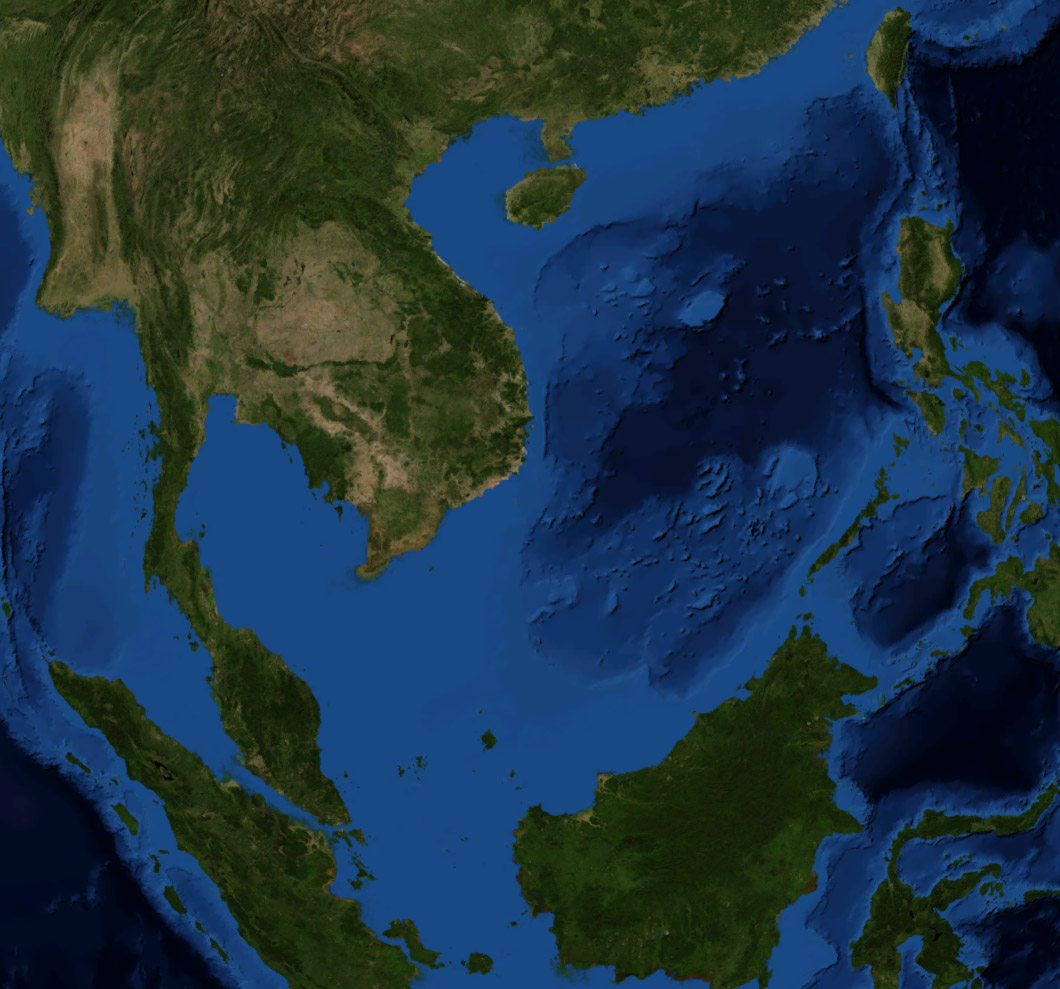
Tensions in the South China Sea have flared again, with China and the Philippines accusing each other of provoking a confrontation at the disputed Second Thomas Shoal.
Manila said a Chinese Coast Guard member struck a Philippine sailor with a wooden baton and damaged a navy rubber boat during the encounter. Beijing, in turn, accused the Philippines of provocation — the latest in a series of clashes at a reef that has become a flashpoint in the contested waters.
US Secretary of State Marco Rubio, commenting on the friction between the two sides, said the confrontation "benefits no one," reflecting Washington's concern that an accident could escalate into a wider crisis.
The disputes are rooted in overlapping territorial claims. Beijing asserts sovereignty over most of the South China Sea, a position rejected by an international arbitral tribunal in 2016. This month, Chinese officials and state media again dismissed that ruling, with state outlets calling it "an illegal, null and void piece of paper with no binding force."
The pressure is not limited to the Philippines. China has begun implementing permanent coast guard patrols in waters east of Taiwan, with vessels arriving in early July to relieve ships that had been patrolling the area continuously since June, according to regional monitors.
Those patrols were reportedly launched in part as a response to moves by Japan and the Philippines to begin talks on delimiting their maritime boundaries — a sign of how quickly diplomatic initiatives in the region can trigger military and paramilitary countermoves.
Regional alignments are shifting in response. Philippine Defence Secretary Gilberto Teodoro Jr. announced that Tokyo and Manila had finalised an agreement for the transfer of five Japanese Abukuma-class destroyer escorts to the Philippine Navy, deepening defence cooperation between the two countries.
The South China Sea carries enormous strategic weight: trillions of dollars in trade pass through it each year, and it sits at the heart of the broader contest for influence in the Indo-Pacific.
With patrols intensifying and rhetoric hardening on all sides, the risk is less of a deliberate war than of a miscalculation at sea — a single collision or injury spiralling into something far harder to contain.
Source Reporters corrects errors promptly. Spotted something wrong? Tell us — read our editorial standards and corrections policy.