Tinubu expands Nigerian Army to 12 divisions, approves 28,000 new troops
The presidency calls it a 'landmark' overhaul to sharpen command and border security, but analysts question the cost and whether more formations alone will curb Nigeria's insecurity.
By Source Reporters Newsdesk
Fri, 24 July 2026 · 3 min read
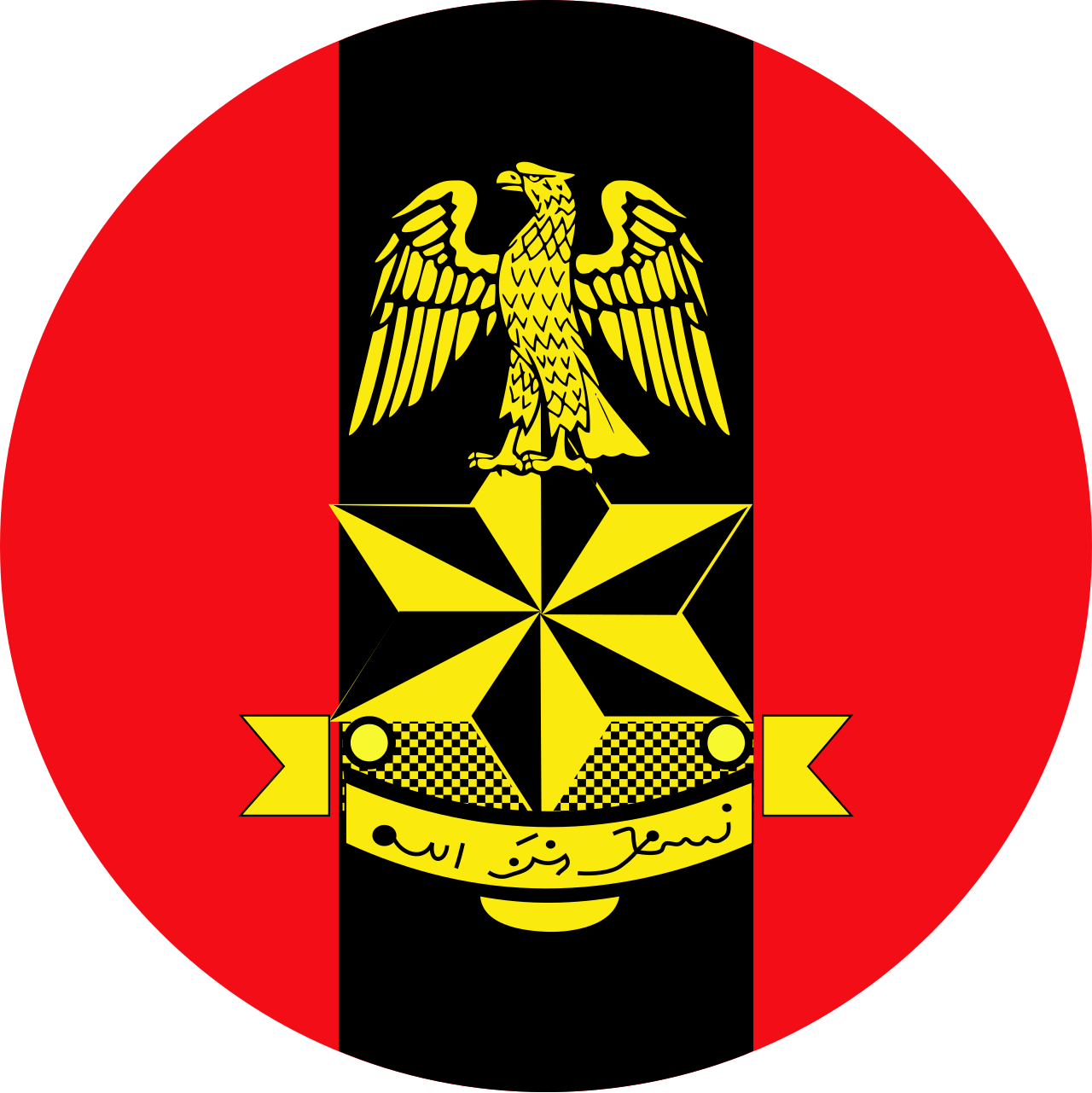
President Bola Tinubu has approved a sweeping expansion of the Nigerian Army, growing its structure from eight to twelve divisions and authorising the recruitment of 28,000 additional personnel — the most significant restructuring of the force in years.
The presidency described the move as a "landmark" step to strengthen the country's security architecture and sharpen the Army's operational effectiveness. Alongside the four new divisions, the approval covers the reorganisation of existing formations and fresh acquisition of military equipment.
The overhaul is to be delivered in two phases. The first, covering the establishment of new divisions and the reorganisation of existing formations, is slated for completion by September 2026. The second phase, involving a further division and additional restructuring, is expected to be finished by December 2026.
According to the government, the new divisions are intended to improve command and control, decentralise operational decision-making, and place commanders closer to the theatres where they are needed. Officials say the changes will strengthen border security, harden the protection of critical national infrastructure, boost counter-insurgency and internal-security operations, and enable a faster military response to threats as they emerge.
The expansion lands against a demanding security backdrop. The Army remains stretched across multiple simultaneous fronts: a long-running insurgency by Boko Haram and its Islamic State-aligned offshoot in the North East, armed banditry and mass kidnapping across the North West and parts of the North Central, farmer-herder violence in the Middle Belt, and separatist agitation in the South East. Troops are also routinely drawn into internal-security duties that were once the preserve of the police.
Supporters of the restructuring argue that a larger, more decentralised force is overdue. Nigeria's existing divisions have at times been responsible for vast areas covering several states each, a span that critics say slows decision-making and leaves commanders managing crises hundreds of kilometres apart. Creating additional divisions with their own headquarters, the argument runs, shortens the chain of command and lets the Army concentrate resources where insecurity is most acute.
The recruitment of 28,000 personnel is also likely to be welcomed by an institution that has repeatedly warned of manpower shortfalls relative to the scale of its commitments. For a young population facing high unemployment, a large recruitment drive may draw significant interest.
Yet the announcement raises questions that will be watched closely in the months ahead. Standing up new divisions is expensive — new headquarters, barracks, logistics and equipment all carry recurring costs at a time when public finances are under strain and the government is pressing broader fiscal reforms. Analysts have long argued that Nigeria's security problems owe as much to intelligence gaps, welfare and morale issues, equipment shortages and coordination failures as they do to the number of formations on an organisational chart.
Training capacity is another pressing issue. Absorbing 28,000 new soldiers requires instructors, facilities and time, and rushing recruits into active theatres before they are ready can carry its own risks. Security commentators have cautioned that structural reform, on its own, does not guarantee better outcomes on the ground unless it is matched by better funding, kit and accountability.
There is also the human dimension. Each new division represents thousands of families, a fresh footprint in the communities that will host the barracks, and a heavier long-term burden on the defence budget — the kind of commitment that outlasts any single administration.
For now, the plan sets an ambitious timetable. If the government holds to its September and December milestones, the Nigerian Army will end 2026 as a substantially larger and differently organised force than the one it began the year with. Whether that translates into measurable improvements in security — fewer attacks, safer roads, communities able to return home — is the test by which the restructuring will ultimately be judged.
Source Reporters corrects errors promptly. Spotted something wrong? Tell us — read our editorial standards and corrections policy.