AI-designed 'molecular scissors' make CRISPR gene editing more efficient, scientists report
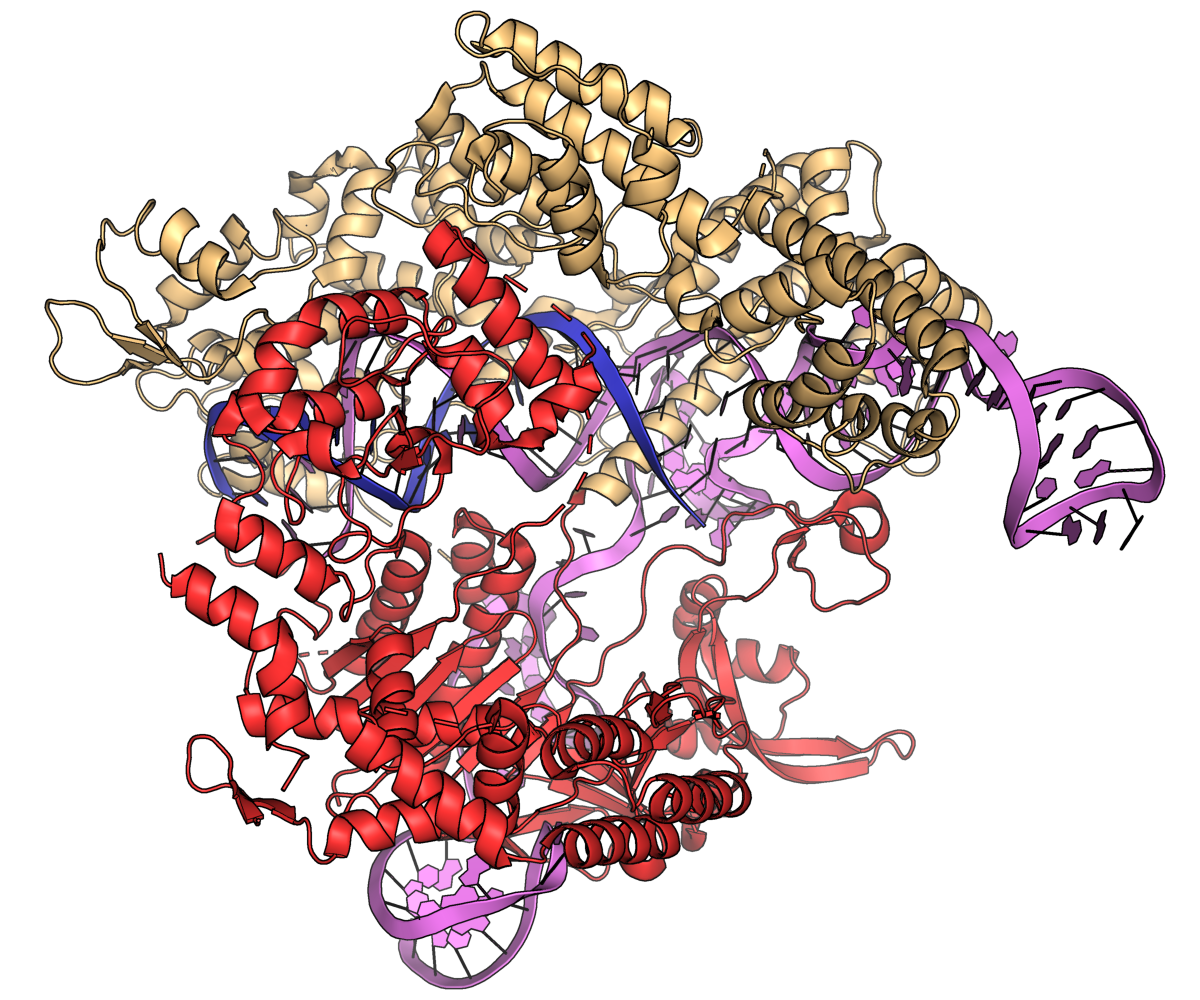
Scientists have used artificial-intelligence models to create synthetic CRISPR proteins that edit the genome more efficiently than their naturally occurring counterparts, according to results published on 16 July in the journal Science. The work was led by Jennifer Doudna, a biochemist at the University of California, Berkeley, who shared the 2020 Nobel Prize in Chemistry for her role in developing CRISPR gene editing.
By Source Reporters Newsdesk
Fri, 17 July 2026 · 1 min read
Scientists have used artificial-intelligence models to create synthetic CRISPR proteins that edit the genome more efficiently than their naturally occurring counterparts, according to results published on 16 July in the journal Science (https://www.nature.com/articles/d41586-026-02217-w). The work was led by Jennifer Doudna, a biochemist at the University of California, Berkeley, who shared the 2020 Nobel Prize in Chemistry for her role in developing CRISPR gene editing.
The researchers focused on designing synthetic versions of a group of tiny nucleases called TnpBs, evolutionary precursors to the widely used Cas12 enzyme. Rather than running thousands of exploratory lab experiments, the team fed an AI model the final three-dimensional conformation of a TnpB and asked it to reverse-engineer DNA changes that would preserve the protein's shape — generating thousands of candidate variants (https://www.nature.com/articles/d41586-026-02217-w).
Soeren Lienkamp, a molecular biologist at the University of Zurich who was not involved in the research, said the paper "marries two transformative fields" — AI-guided protein design and RNA-guided nucleases — and could let researchers "create totally novel properties in the protein space" (https://www.nature.com/articles/d41586-026-02217-w). Synthetic CRISPR systems could eventually power advances in medicine and agriculture.
The findings point toward a shift from repurposing naturally occurring bacterial enzymes toward AI-designed gene editors tailored for specific tasks, though the authors note that further work is needed to refine and validate the synthetic nucleases before they can be widely deployed.
Source Reporters corrects errors promptly. Spotted something wrong? Tell us — read our editorial standards and corrections policy.