Antarctic ice sheet has been gaining mass since 2020 — but scientists warn the reprieve is temporary
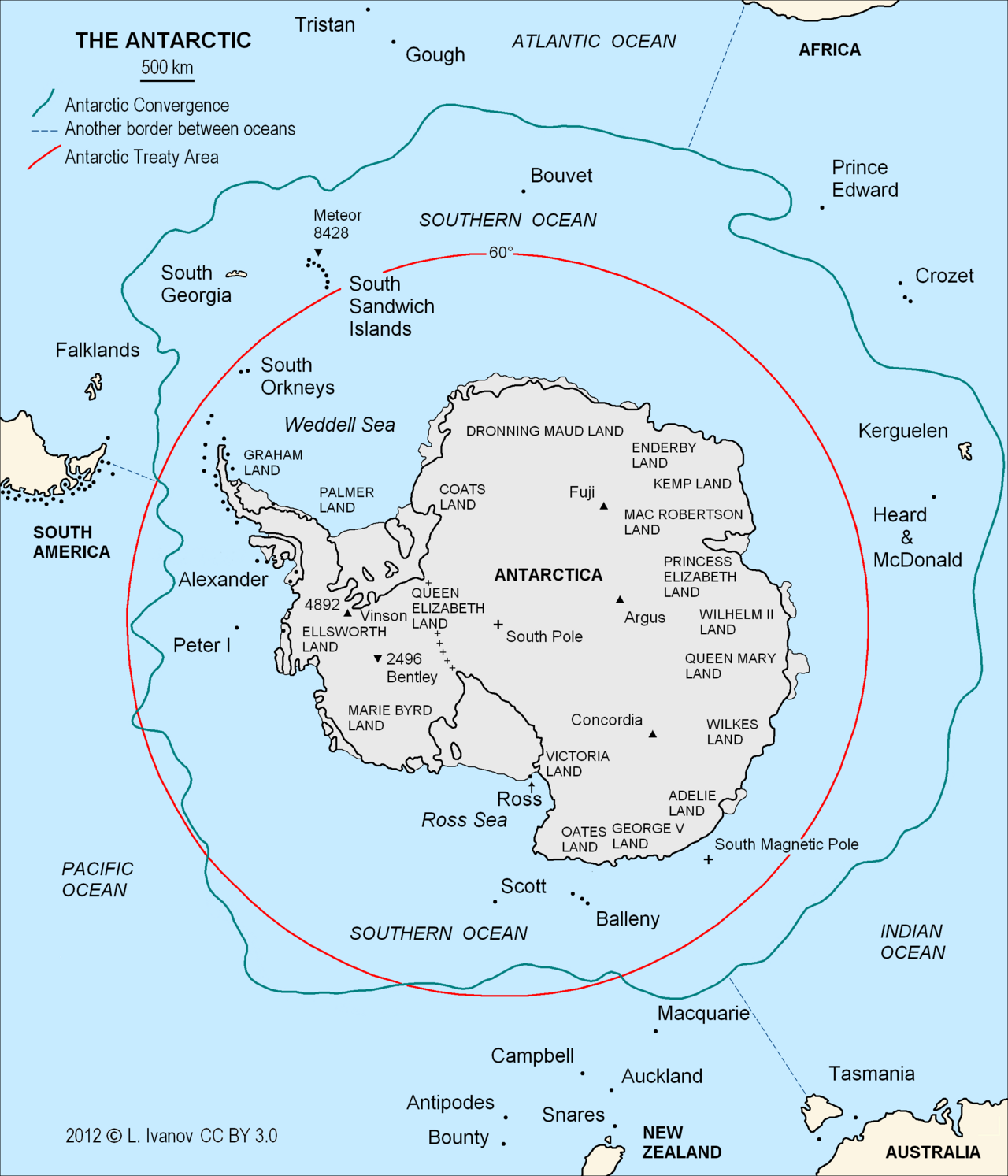
In a surprise finding that runs counter to the long-term trend, loss of mass from the Antarctic ice sheet has essentially been on pause since about 2020, according to research by Wang et al. published in Nature and analysed in an accompanying News & Views article by atmospheric scientist Jonathan Wille of the French National Centre for Scientific Research/University of Burgundy Europe.
By Source Reporters Newsdesk
Thu, 27 August 2026 · 1 min read
In a surprise finding that runs counter to the long-term trend, loss of mass from the Antarctic ice sheet has essentially been on pause since about 2020, according to research by Wang et al. published in Nature and analysed in an accompanying News & Views article by atmospheric scientist Jonathan Wille of the French National Centre for Scientific Research/University of Burgundy Europe.
The study found that snowfall over Antarctica has largely counterbalanced the ice lost to melting during this period. The researchers traced the cause to an atmospheric phenomenon linking unusually warm seas in the Indian and Pacific Oceans — including the tropical warm pool region — with enhanced snowfall over the continent, effectively offsetting mass loss on a multiyear timescale.
Wille notes the finding may come as a surprise given that record-breaking heatwaves, wildfires, a super El Niño and dwindling Arctic sea ice have dominated recent climate headlines. Antarctica's apparent stability, however, is not expected to last: the anomalous sea temperatures responsible for the trend occur roughly once per decade, meaning the ice sheet looks set to return to losing mass within the next few years.
Researchers caution against interpreting the pause as evidence against climate-driven ice loss. The underlying paper, "Multiyear tropical warm pool warming drives slowdown in Antarctic mass loss" (Nature 656, 897–904;), frames the slowdown as a temporary, naturally occurring fluctuation superimposed on the long-term decline driven by oceanic and atmospheric warming.
Antarctica holds enough ice to raise global sea levels substantially, so even short pauses in mass loss matter for coastal hazard planning. The findings underline why decadal-scale natural variability must be separated from the long-term signal when projecting future sea-level rise, the analysis says.
**Sources:** Nature, doi.org
Source Reporters corrects errors promptly. Spotted something wrong? Tell us — read our editorial standards and corrections policy.