How Endurance Athletes Push Past Their Limits
Marathoners and cyclists seem to defy exhaustion. Here is what really happens in the body and mind when endurance athletes keep going.
By Source Reporters Newsdesk
Thu, 23 July 2026 · 2 min read
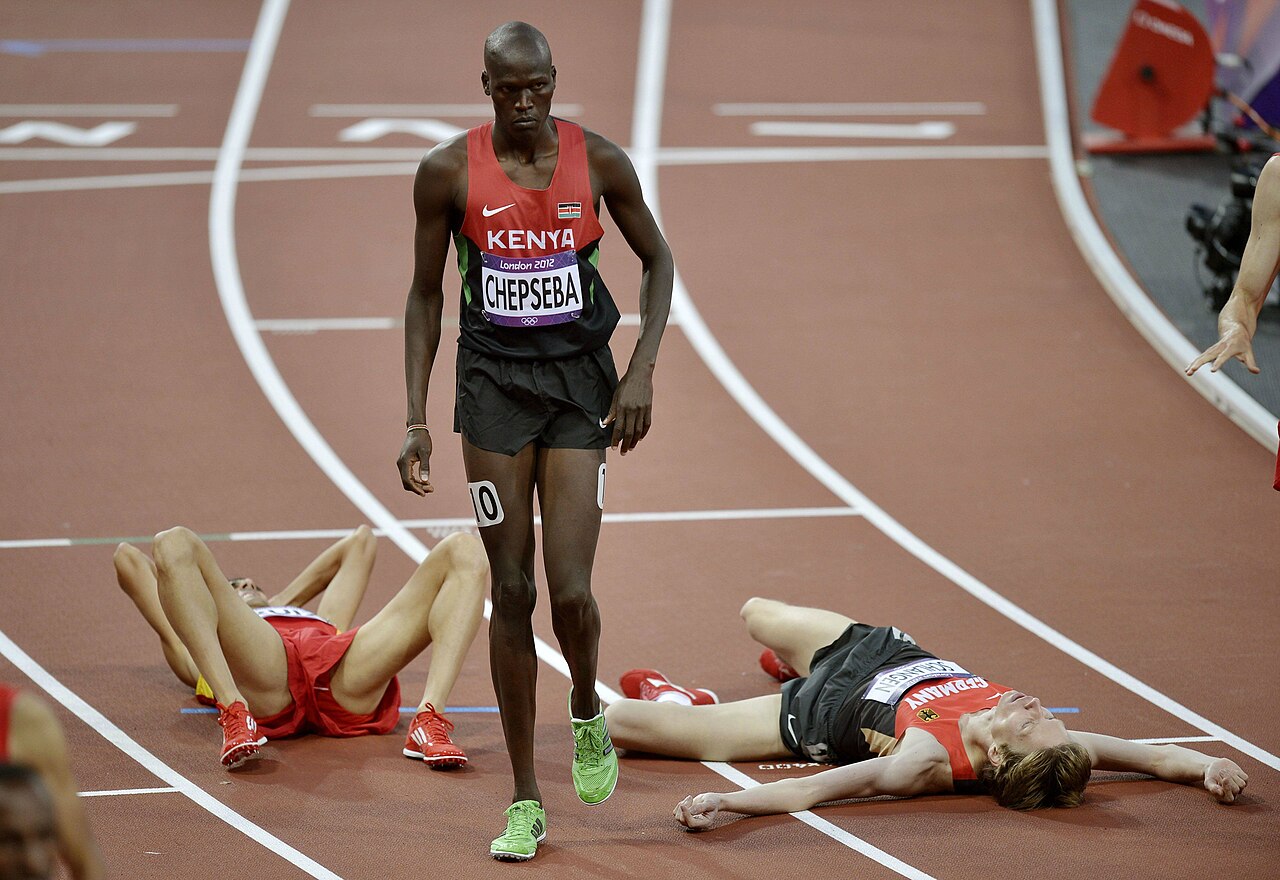
Watching an endurance athlete finish a marathon or a long cycling stage, it is natural to wonder how the human body keeps going for hours at the edge of exhaustion. The answer weaves together physiology and psychology in ways that overturn the simple notion of the body as a machine that runs until it runs out of fuel. Endurance is as much about managing limits as reaching them.
At the physical level, sustained effort is a story of energy supply and demand. Muscles burn fuel drawn from carbohydrates and fat, and a central challenge of endurance sport is making that supply last. Trained athletes develop bodies remarkably good at delivering oxygen and at burning fat efficiently, sparing their limited fast-burning carbohydrate stores. Much of endurance training is aimed precisely at these adaptations, teaching the body to go further before its reserves run low.
Fuelling during the effort itself matters enormously. The dreaded moment when a runner hits the wall is largely the result of depleting the body's carbohydrate stores, leaving the athlete suddenly heavy and drained. This is why endurance competitors eat and drink carefully as they go, topping up energy and fluids to hold off that collapse. Pacing plays the same role from the other side: start too fast and the reserves burn out early, so experienced athletes ration their effort with discipline.
But physiology is only half the story, and perhaps not even the larger half. A growing body of thinking holds that the sensation of exhaustion is not a simple readout of an empty tank but a protective signal generated by the brain, which tends to hold the body back well before any true physical limit, guarding against damage. This helps explain the familiar phenomenon of the finishing sprint, when an athlete apparently at their limit suddenly finds energy as the end comes into view and the brain relaxes its caution.
That insight reframes endurance as partly a mental discipline. Managing discomfort, staying calm under fatigue, and pushing gently against the brain's protective braking are skills that elite competitors train as deliberately as their muscles. Techniques for focus, for breaking a vast distance into manageable pieces, and for tolerating pain without panic are part of the endurance athlete's craft, allowing them to access more of their genuine physical capacity.
Seen this way, the extraordinary feats of endurance sport are neither pure physical machinery nor mind over matter alone, but a partnership of the two. The body is trained to supply energy efficiently and resist depletion, while the mind is trained to interpret and endure the signals of fatigue. Pushing past one's limits, it turns out, is less about ignoring the body than about understanding it, and knowing just how much its warnings can safely be stretched.
Source Reporters corrects errors promptly. Spotted something wrong? Tell us — read our editorial standards and corrections policy.