Convicted Bosnian Serb war criminal Ratko Mladić dies at 84 in The Hague prison
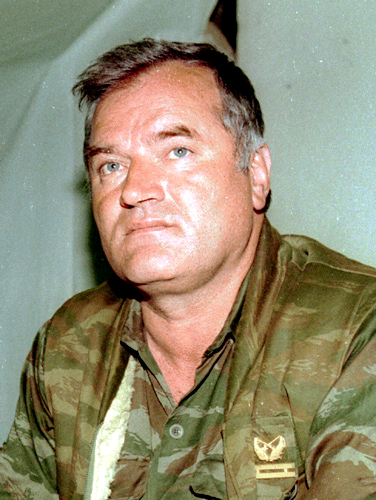
Convicted Bosnian Serb war criminal Ratko Mladić has died in a UN detention facility in The Hague aged 84, the International Criminal Tribunal for the former Yugoslavia (ICTY) confirmed in a statement on Thursday. Dutch authorities have begun an investigation into the circumstances of his death, and the court's top judge has ordered a full inquiry, according to the BBC.
By Source Reporters Newsdesk
Thu, 27 August 2026 · 2 min read
Convicted Bosnian Serb war criminal Ratko Mladić has died in a UN detention facility in The Hague aged 84, the International Criminal Tribunal for the former Yugoslavia (ICTY) confirmed in a statement on Thursday. Dutch authorities have begun an investigation into the circumstances of his death, and the court's top judge has ordered a full inquiry, according to the BBC.
Mladić was sentenced to life imprisonment in 2017 for genocide, war crimes and crimes against humanity during the wars in the former Yugoslavia between 1992 and 1995. That conviction was upheld on appeal by the UN court in 2021. He had been held at The Hague detention facility since his capture in rural Serbia in 2011, ending 16 years as a fugitive.
As commander of Bosnian Serb forces during the 1990s wars, Mladić oversaw campaigns of "ethnic cleansing" against Bosnia-Herzegovina's non-Serbian population. His troops besieged Sarajevo for years, killing more than 10,000 people, and carried out the 1995 massacre at Srebrenica in which 8,000 men and boys were systematically killed. He was known as the "Butcher of Bosnia."
Hasan Hasanović, a survivor of the Srebrenica massacre who lost his twin brother and father, told the BBC World Service's Newshour programme that Mladić's death "does not bring closure because the people who were killed in Srebrenica cannot come back." According to the BBC, Hasanović, who now works at the Srebrenica Memorial Centre, said: "His death is just a biological necessity, and it doesn't bring to an end the political project and military project that created that legacy of genocide. And we now live with the consequences of a divided country, genocide denial."
In contrast, Bosnian Serb separatist leader Milorad Dodik told Reuters that Mladić "was respected by Serbian people. As a commander he stood to defend Serbs," the BBC reported. Some Belgrade residents also praised Mladić, with one man telling Reuters: "I genuinely believe he protected the Serbian people, because after all, that was his duty."
In May, the UN tribunal rejected a bid for Mladić's conditional release as he neared the end of his life. The judge acknowledged his situation was "dire" but ruled he was receiving "comprehensive and compassionate treatment." Mladić's lawyers had said he had been bedbound or in a wheelchair for some time and later suffered a suspected stroke that left him almost unable to speak. He never recognised the legitimacy of the UN court.
**Sources:** BBC
Source Reporters corrects errors promptly. Spotted something wrong? Tell us — read our editorial standards and corrections policy.