Iceland holds knife-edge referendum on restarting EU accession talks
Icelanders were voting on Saturday in a national referendum on whether to resume European Union accession talks, 13 years after Reykjavik shelved negotiations, with opinion polls showing the result too close to call. Polls were open from 09:00 to 22:00 GMT and the result is expected in the early hours of Sunday, according to BBC Europe digital editor Paul Kirby.
By Source Reporters Newsdesk
Sat, 29 August 2026 · 2 min read
Icelanders were voting on Saturday in a national referendum on whether to resume European Union accession talks, 13 years after Reykjavik shelved negotiations, with opinion polls showing the result too close to call. Polls were open from 09:00 to 22:00 GMT and the result is expected in the early hours of Sunday, according to BBC Europe digital editor Paul Kirby (BBC News).
The latest opinion poll put the No campaign narrowly ahead with 51.6%, the BBC reported, while an earlier survey had given the Yes side the lead — underscoring how finely balanced the electorate is. More than one in five voters had already cast ballots in early voting before polling day, according to Iceland's public broadcaster RUV, as cited by the BBC (BBC News).
Prime Minister Kristrún Frostadóttir's centre-left government had already planned a referendum on the question, but brought the vote forward as turbulent international affairs — including a six-month war between the United States and Iran — sharpened Icelandic security concerns, the BBC reported. Although a Nato founder member, Iceland has no standing military and relies on a bilateral US defence agreement dating to 1951 (BBC News).
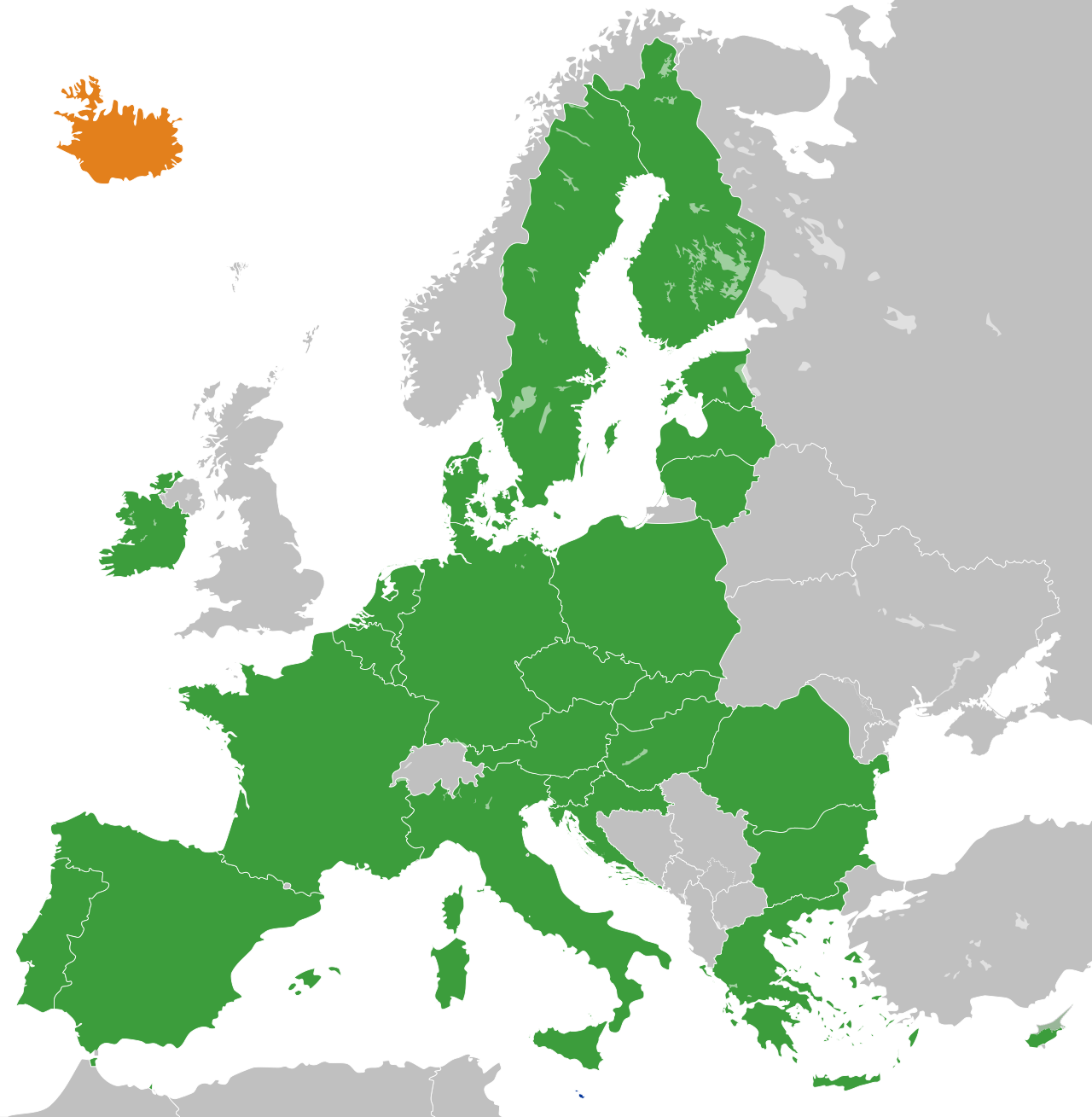
Although Iceland is already part of the EU's single market and Schengen border-free zone through the European Economic Area, full membership would pull it into the customs union and eventually the euro, the BBC noted. Of 35 so-called accession chapters covering everything from fisheries to freedom of movement, 27 had been opened and 11 provisionally closed before talks were suspended in 2013, according to the European Council's published position (BBC News).
A Yes vote would not be a final decision on joining the bloc, the BBC reported — it would only authorise a move toward an accession agreement that would then need approval in a second referendum, by parliament and through a constitutional amendment, as well as ratification by the EU's 27 member states. Sovereignty and the future of Iceland's fishing industry, which accounts for nearly 40% of exports, dominated the campaign, with the No side warning that the EU's Common Fisheries Policy could cost Reykjavik control of its waters (BBC News).
The country fought the so-called Cod Wars with the United Kingdom in the 1970s and won — a memory that still shapes public sentiment, the BBC noted. Eirikur Bergmann, professor of politics at Bifröst University, told the BBC that "many people attribute" Iceland's current status as one of Europe's most affluent nations to its independence, even as stubbornly high interest rates of 8% and inflation of 5.6% have become campaign issues for the Yes side (BBC News).
**Sources:** BBC
Source Reporters corrects errors promptly. Spotted something wrong? Tell us — read our editorial standards and corrections policy.