Iceland set for knife-edge EU membership referendum with fishing rights at centre
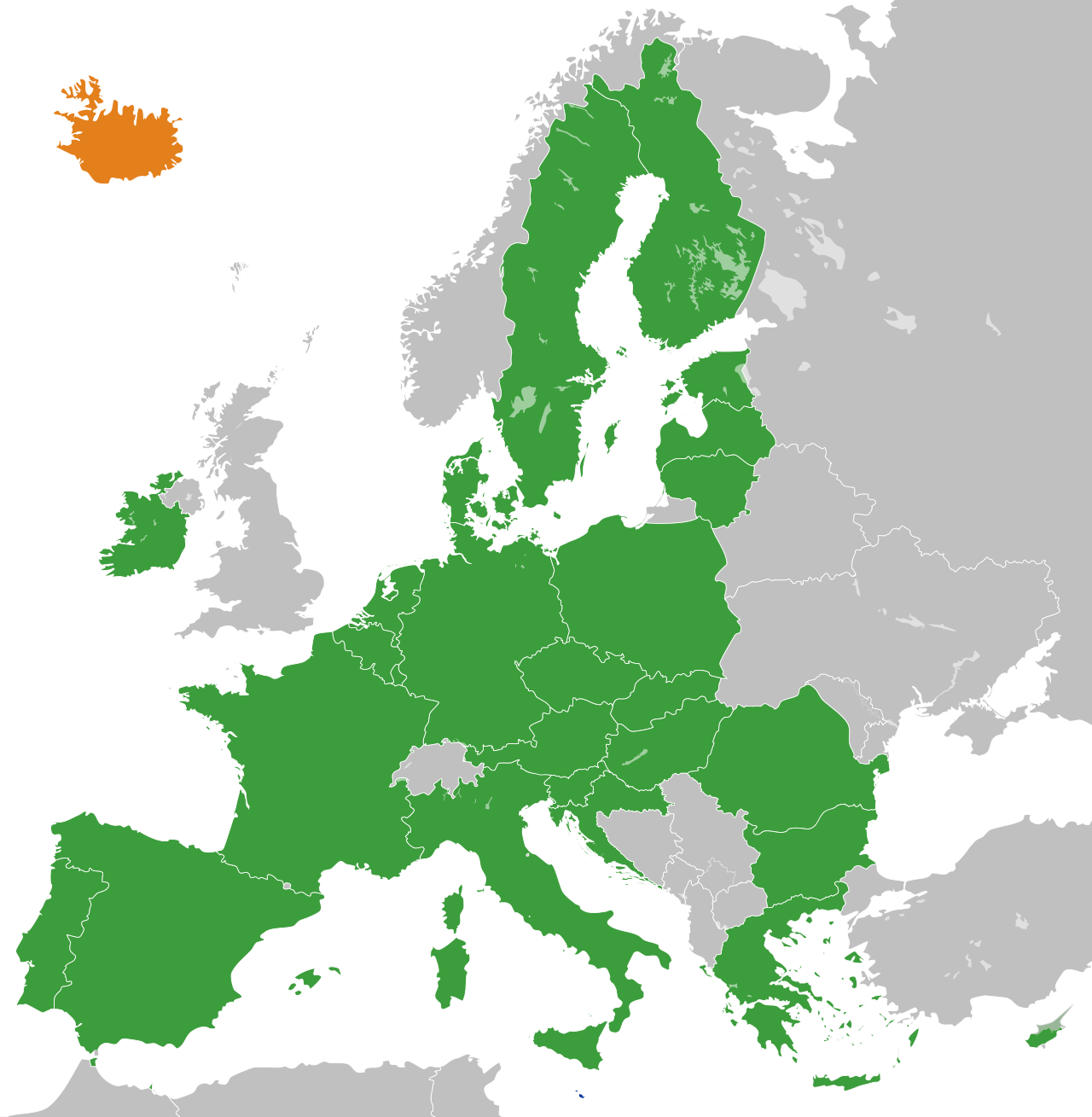
Icelanders head to the polls on Saturday in a long-awaited referendum on whether to reopen talks on joining the European Union, with polls putting the two camps within a few points of each other and the question of who controls the country's fish-rich waters shaping up as the central battleground.
By Source Reporters Newsdesk
Thu, 27 August 2026 · 2 min read
Icelanders head to the polls on Saturday in a long-awaited referendum on whether to reopen talks on joining the European Union, with polls putting the two camps within a few points of each other and the question of who controls the country's fish-rich waters shaping up as the central battleground.
According to a poll cited by the BBC this week, the Yes camp led 51.3% to 48.7%; an earlier survey had the two sides deadlocked. The vote, a centrepiece of Prime Minister Kristrún Frostadóttir's snap-election mandate, has been pushed forward from a 2027 deadline by the upheavals of Russia's war in Ukraine, sharpening Arctic rivalries and President Donald Trump's repeated statements about taking over Greenland, alongside tariff threats that have unsettled small, open North Atlantic economies.
According to Finance Minister Daði Már Kristófersson, Russia's maritime activity near Iceland — including a Russian intelligence ship tracked through Iceland's Exclusive Economic Zone in June — and the wider question of Arctic security have moved Iceland's place in the world "up the agenda". Iceland is a founding Nato member but has no military of its own, relying on a 1951 US defence pact; the government signed a fresh defence partnership with the EU in March.
Fishing remains the emotional fault line. According to the BBC, fish and marine industries account for nearly 40% of Iceland's exports, and the EU's common fisheries policy, with its history of painful quota battles for newer entrants, is the lightning rod of the No campaign, which has rallied around the slogan "Iceland for sale? No thanks". "No member state has been granted a permanent opt-out," Margrét Ágústa Sigurðardóttir, head of the Icelandic Farmers' Association, told the BBC, dismissing government hopes of a special arrangement to protect fishing and agriculture.
According to Bifröst University politics professor Eirikur Bergmann, conceding control of fishing waters would be politically fatal. "They'd be expelled from the country," he said. Visir fishing boss Pétur Pálsson, whose factory processes cod and haddock for European markets, argued EU membership would let Brussels "make the policy", while Reykjavik resident Anna Ragnarsdottir said she wanted to know "what's in the package" before closing the door.
A Yes vote would not in itself deliver membership: 11 of the 35 negotiating chapters are still open from a previous accession attempt abandoned in 2013, and any final deal would require a second referendum and unanimous approval by the EU's 27 member states. According to Hallgrímur Oddsson, head of the European Currents think-tank, a Yes would be a welcome win for EU enlargement, "but a No vote could also be perceived as a loss". The result is being watched closely in Norway, another traditionally Eurosceptic EEA state where pro-EU sentiment is also climbing.
**Sources:** BBC
Source Reporters corrects errors promptly. Spotted something wrong? Tell us — read our editorial standards and corrections policy.