Norway's King Harald V dies aged 89, succeeded by son Haakon
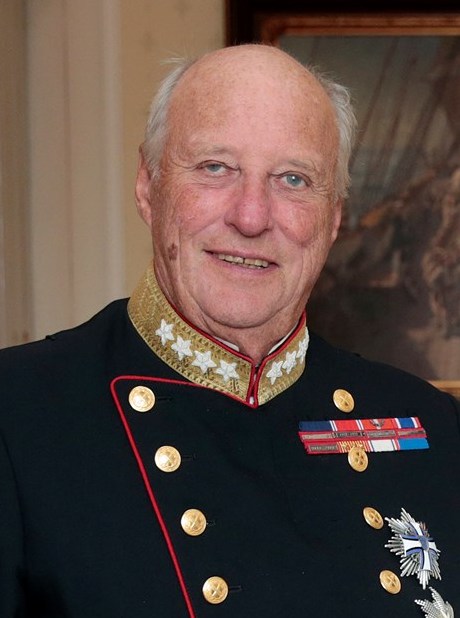
Norway's King Harald V died on Friday at the age of 89 at Oslo's national hospital, the Royal Palace in Oslo announced, prompting a formal succession by his son Haakon, 53, and tributes from European royal houses. According to the BBC, the king passed away at 06:35 local time (04:35 GMT) after being admitted to hospital on 17 August for treatment of haemolytic anaemia, a rare blood condition. The royal flag on the roof of the palace was lowered to half-mast.
By Source Reporters Newsdesk
Fri, 28 August 2026 · 2 min read
Norway's King Harald V died on Friday at the age of 89 at Oslo's national hospital, the Royal Palace in Oslo announced, prompting a formal succession by his son Haakon, 53, and tributes from European royal houses. According to the BBC, the king passed away at 06:35 local time (04:35 GMT) after being admitted to hospital on 17 August for treatment of haemolytic anaemia, a rare blood condition. The royal flag on the roof of the palace was lowered to half-mast.
According to the BBC, Harald was the first Norwegian-born monarch since the 14th century and had reigned for 35 years, ascending the throne on 17 January 1991 after the death of his father, King Olav V. He is survived by his wife of nearly 58 years, Queen Sonja, their daughter Princess Märtha Louise, their son — the new King Haakon — and six grandchildren. Crown Prince Haakon had already been acting as regent while his father received treatment, and the palace said an extraordinary council of state with the government would be held later on Friday.
Tributes were led by European monarchies. According to the BBC, King Charles III sent his "most heartfelt condolences", while King Carl XVI Gustaf of Sweden remembered Harald as "a good friend to me, my family and to Sweden" and wished his godson Haakon "success and good fortune". Harald and Charles were second cousins through the late Queen Elizabeth II, the BBC noted.
Royal observers quoted by the BBC described Harald as a popular, modernising figure who broke with tradition by marrying a commoner — Sonja Haraldsen, a businessman's daughter — in 1968, after a nine-year engagement during which his father had hoped he would marry a European princess. According to the BBC, the choice paved the way for his two children to marry commoners and helped "bring an end to a very male-dominated Royal Family". Historians said he grew from a reserved, serious figure into a more open and empathetic public presence after the turn of the century, and his televised addresses after Anders Breivik's 2011 attacks — in which 77 people were killed in Oslo and on the island of Utøya — became a defining moment for the modern monarchy.
The succession comes as the Norwegian royal family has faced compounding health and reputational pressures. According to the BBC, Crown Princess Mette-Marit received a lung transplant earlier this year after being diagnosed with a rare pulmonary fibrosis, and her son Marius Borg Høiby was convicted of rape in June and has appealed a four-year jail term. Polling for Aftenposten cited by the broadcaster put support for the monarchy at 54%, down from 72% in 2024. The BBC reported that criticism has rarely been directed at Harald personally, with royal correspondent Caroline Vagle saying "everyone has loved King Harald".
**Sources:** BBC
Source Reporters corrects errors promptly. Spotted something wrong? Tell us — read our editorial standards and corrections policy.