Somali piracy resurges as US-Iran war reshapes Red Sea and Gulf of Aden maritime security
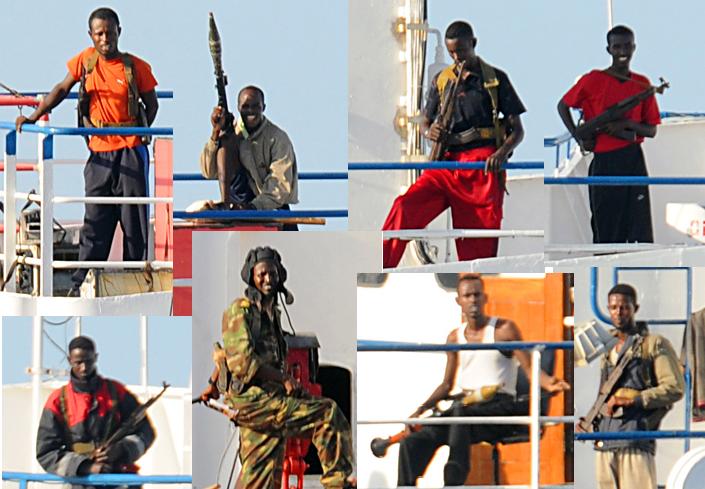
A surge in piracy near Somalia has increased threats to shipping already under pressure from maritime blockades and conflict driven by the US-Iran war, with at least 13 ships attacked since January — the biggest escalation in hijackings in more than a decade.
By Source Reporters Newsdesk
Sat, 29 August 2026 · 2 min read
A surge in piracy near Somalia has increased threats to shipping already under pressure from maritime blockades and conflict driven by the US-Iran war, with at least 13 ships attacked since January — the biggest escalation in hijackings in more than a decade.
According to the BBC, two cargo vessels were seized in the Gulf of Aden within four days last week, and a Cameroon-flagged ship, the MV Lutuf, was attacked off Somalia's semi-autonomous Puntland region on 17 August. A few days later, pirates boarded an oil products tanker, the Eritrean-flagged MT Sibu 1, in waters near Yemen.
The capture of the Lutuf has triggered unexpected consequences: 13 men allegedly belonging to a network supplying the pirates have been killed in two drone strikes since 18 August, with local officials blaming Turkey, the BBC reported.
The Lutuf is now among six vessels being held for ransom demands totalling millions of dollars — four of which are anchored near the Somali fishing town of Bander Beyla, a known piracy hub. The security vacuum in regional waters is being exploited, experts say.
"I guess the pirates believe that with those two external events in Hormuz and Bab al-Mandab, they believe that the international forces will be dedicated to those crises instead of looking for pirates," Vice-Admiral Ignacio Villanueva Serrano, operation commander for the European Union's naval force protecting shipping off Somalia's coast, told the BBC.
Iran's Houthi allies in Yemen have imposed a targeted blockade in the Bab al-Mandab Strait, which controls access to the Red Sea, further heightening insecurity for international shipping and driving some vessels closer to the Somali coast, where they become more vulnerable to hijacking.
Researchers at the International Crisis Group (ICG) say the resurgence is also fuelled locally by anger over foreign trawlers overfishing in Somali waters, and that there may be collaboration between Somali pirates and Yemeni criminal elements — though experts say there is no evidence of direct Iranian involvement.
**Sources:** BBC
Source Reporters corrects errors promptly. Spotted something wrong? Tell us — read our editorial standards and corrections policy.