Trump launches 'economic D-Day': Secondary sanctions target Iran's trade lifelines
New U.S. campaign threatens penalties on countries, banks and financial systems sustaining Tehran's economy as war enters sixth month
By Source Reporters Newsdesk
Tue, 25 August 2026 · 3 min read
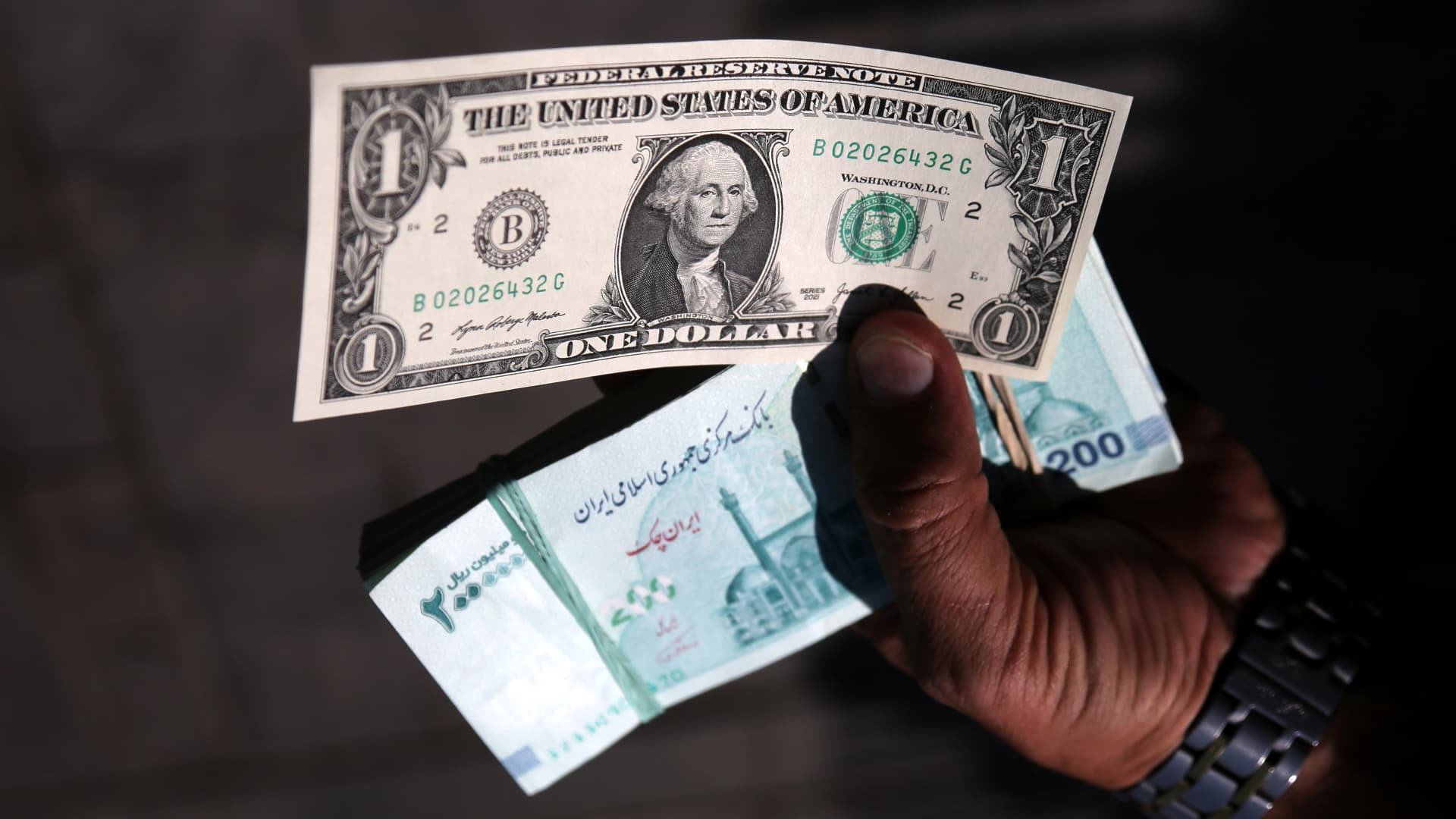
The Trump administration on Monday launched what it calls an "economic D-Day" campaign to isolate Iran from the global economy, threatening secondary sanctions against enablers that continue doing business with Tehran.
President Donald Trump and Treasury Secretary Scott Bessent have been making "specific requests to cease their interactions" with Iran, Bessent said at the Treasury Department. The plan, dubbed "Operation Economic Outcast," marks the latest escalation in the U.S. pressure campaign that has now entered its sixth month with no hint of a military or diplomatic victory.
The U.S. is targeting every economic lifeline that sustains Tehran's regime, Bessent said. "We want to make clear here today that no one is above the reach of U.S. sanctions." The net casts wide:
**China** — The biggest buyer of Iranian oil, accounting for about 90% of its exports. Beijing has ordered domestic firms to disregard U.S. sanctions on refiners, though private analysts expect "quiet step up compliance" to avoid collision with Washington.
**United Arab Emirates** — A major trading hub just 50 miles across the Persian Gulf. The Emirates was Iran's largest source of imports in 2024, contributing over 30% of its shipments. Following two ballistic missiles fired toward Emirati territory, the UAE moved to suspend all trade and financial transactions with Iran.
**Turkey** — Maintains significant commercial ties, importing Iranian natural gas and exporting manufactured goods. A 25-year gas supply contract expired at end of July, with Turkey's Iranian gas imports rising to 18.6% of its total last year.
**Iraq** — Deeply dependent on Iranian electricity and gas, with imports accounting for more than 30% of its electricity generation in 2023. Iraq-Iran trade reached more than $10 billion in 2025.
**India** — Among Iran's top five trading partners, with bilateral trade falling to around $1.6 billion in the year ending March 2026. India primarily exports rice, tea, sugar and pharmaceuticals to Iran, and imports dry and fresh fruits.
The sanctions scope has been expanded to target Iran's digital assets, technology, gold, aviation and shipping sectors, Bessent said. Any entity facilitating money laundering on behalf of Iran "will be removed from the U.S. dollar system," he warned, with clocks now ticking for individual countries.
## China's position
China openly opposes U.S. sanctions against Iran, arguing economic pressure will not resolve disputes. "Chinese authorities care more about dollar access in financing and market entry to the U.S.," said Dan Wang of Eurasia Group, pointing to a dichotomy between official statements and private practice. Beijing is expected to quietly step up compliance among state banks and oil companies.
## UAE's crackdown
The UAE's suspension of Iran trade follows missile attacks. "The majority of Iran's transshipment, smuggling and shadow banking activity takes place in Dubai," said former U.S. Treasury official Matthew Levitt. "Washington must help Abu Dhabi convince and cajole Dubai's leaders to play ball."
## Iraq's vulnerability
Iraq pays Iran $4 billion to $5 billion a year for natural gas for electricity generation. The fresh U.S. sanctions could curtail Baghdad's payments, potentially worsening already strained services.
## India's test case
India resumed importing crude oil from Iran in April after a seven-year halt, following a U.S. temporary lifting of sanctions. Those trades will now be tested if Washington moves to sanction Indian refiners.
The campaign comes as the U.S. war against Tehran approaches the six-month mark. A ceasefire agreement reached in June was largely discarded before its 60-day deadline expired last week. The Strait of Hormuz, a vital oil trade pathway, remains far less active than before the war began.
U.S. officials say the objective is clear: sever every economic lifeline that sustains the Iranian regime until Tehran stands alone.
Source Reporters corrects errors promptly. Spotted something wrong? Tell us — read our editorial standards and corrections policy.