US-Iran Situation Report — 2026-09-06 01:32 UTC
US military destroyed three Iranian oil tankers after IRGC missile attacks on US warships.
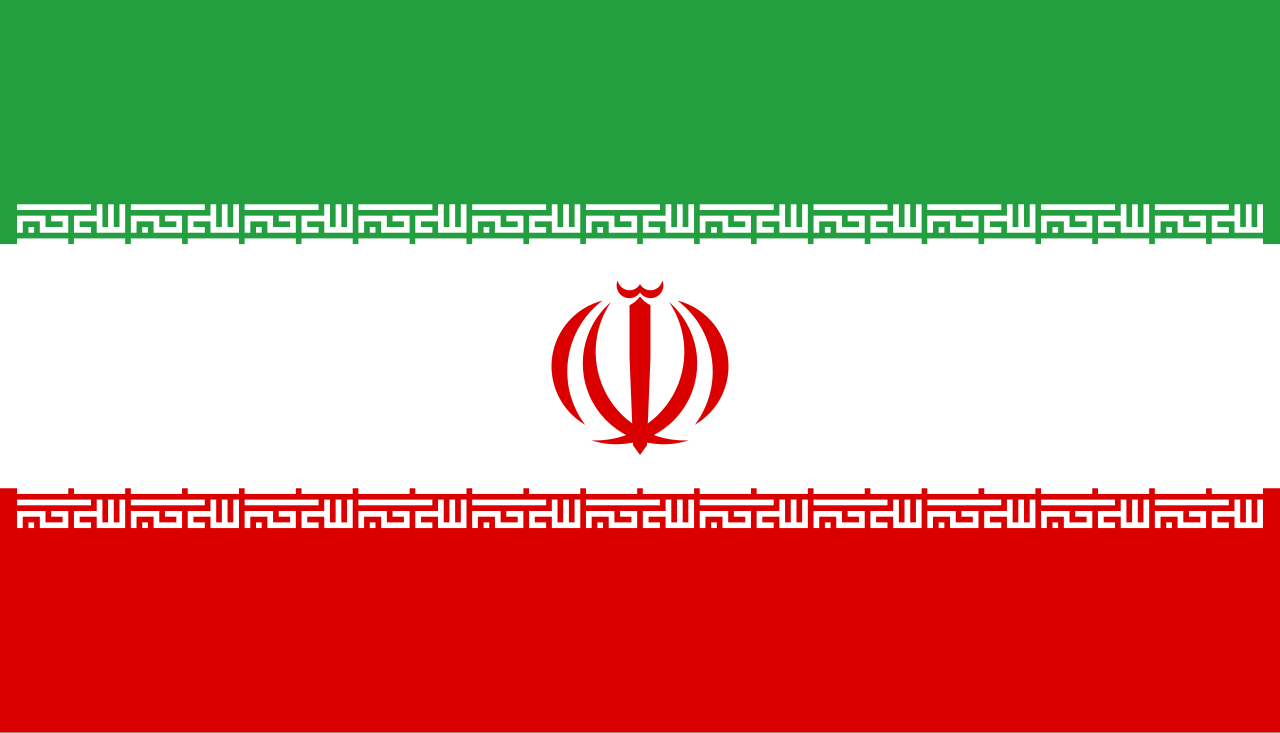
By Source Reporters Newsdesk
Sun, 6 September 2026 · 3 min read
DUBAI — "If Iran shoots at US ships, we will destroy (and sink) their oil tankers," said Defence Secretary Pete Hegseth on social media. The US military 'permanently disabled' two Iran-linked oil tankers near Kharg Island and 'completely destroyed' a third in the Gulf of Oman. This followed IRGC claims of ballistic missile attacks on a US aircraft carrier and destroyer in the Strait of Hormuz.
The Pentagon stated that the tanker strikes were in retaliation for attacks on US warships and confirmed the destruction of three Iranian crude oil tankers (Department of Defense, https://www.defense.gov/).
Iran's Islamic Revolutionary Guard Corps (IRGC) claimed it launched ballistic missiles at a US aircraft carrier and destroyer, then attacked three US-affiliated vessels and three oil tankers using an 'unauthorised' route through the Strait of Hormuz, according to Iranian state media broadcasts (Islamic Republic of Iran Broadcasting, https://www.irib.ir/).
US Central Command (Centcom) reported it 'successfully evaded' multiple IRGC attacks targeting the carrier and destroyer, with no American troops harmed. Centcom claimed the three Iranian oil tankers it hit were 'part of a multi-billion-dollar shadow network that funds the IRGC and its regional proxies' (US Central Command, https://www.centcom.mil/).
Iranian state media confirmed no casualties in the US strike on the Kharg Island tanker and that crews from two Gulf of Oman tankers were evacuated to shore in lifeboats.
President Donald Trump dismissed the conflict as 'small potatoes' and 'intermittent', noting the 60-day ceasefire formally expired last month with no diplomatic settlement on the horizon.
Iran President Masoud Pezeshkian called for national unity amid intensifying US economic pressure, emphasizing Iran's resilience in the face of what he described as 'unjust sanctions and military aggression'.
Trump again threatened to strike Iran's 'Pickaxe Mountain' 'very soon', reviving a threat first issued in mid-July 2026.
Iran's air defence commander Brig-Gen Alireza Elhami declared Tehran 'ready for any kind of confrontation' in remarks to Iranian state television, stating that Iran's defensive preparations were complete.
US Vice President JD Vance said he remains 'extremely sceptical' but confirmed the US is investigating whether one of its missiles struck a wedding party in southern Iran that killed civilians.
The Pentagon has polygraphed approximately 50 Joint Staff officers over Iran war leaks, including dwindling weapons stocks such as long-range missiles and Patriot interceptors.
Diesel prices reached an all-time high in the US amid Iran war woes, averaging $5.87 per gallon nationwide according to the US Energy Information Administration, reflecting concerns about potential disruptions to global oil supplies.
The UN food price index rose to a four-year high of 142.3 points, up 8.7% from pre-conflict levels, citing conflicts and extreme weather as dual drivers of global food inflation.
Brent crude traded around $95 per barrel in London markets, up more than 30% since February 2026 when the conflict began.
At least four civilians were killed in a Houthi missile strike near Yemen's Taiz on 5 September 2026, prompting the Yemen government to launch its own air attacks on the Houthis in retaliation, with Yemen's Ministry of Defence confirming the strikes targeted Houthi military positions.
Western powers advanced a draft UN nuclear watchdog resolution to refer Iran to the Security Council, with France, Germany and the United Kingdom co-sponsoring the resolution that cites Iran's alleged non-compliance with the Joint Comprehensive Plan of Action and requests enhanced monitoring mechanisms.
AP News analysis warned that Jordan's US alliance makes the kingdom a target for Iranian strikes, noting that Iran has previously demonstrated both the capability and intent to target Jordanian interests in retaliation for perceived US-aligned actions in the region (Associated Press, https://apnews.com/).
See also: our previous situation report on the Kuhestak wedding investigation (/world/us-iran-situation-report-2026-09-03-2026-utc).
Source Reporters corrects errors promptly. Spotted something wrong? Tell us — read our editorial standards and corrections policy.