The Quiet Revival of Physical Media
Vinyl, film and print are quietly rebounding in a streaming world. A look at why physical media endures — and what its revival says about how we value culture.
By Source Reporters Newsdesk
Thu, 23 July 2026 · 3 min read
The story of the last two decades was supposed to end with the disappearance of the physical object. Music, film, books and photographs would dissolve into streams and files, weightless and infinite, and the shelves that once held them would empty out. For a while, that is exactly what happened. And yet, quietly and against expectation, the physical object has refused to vanish.
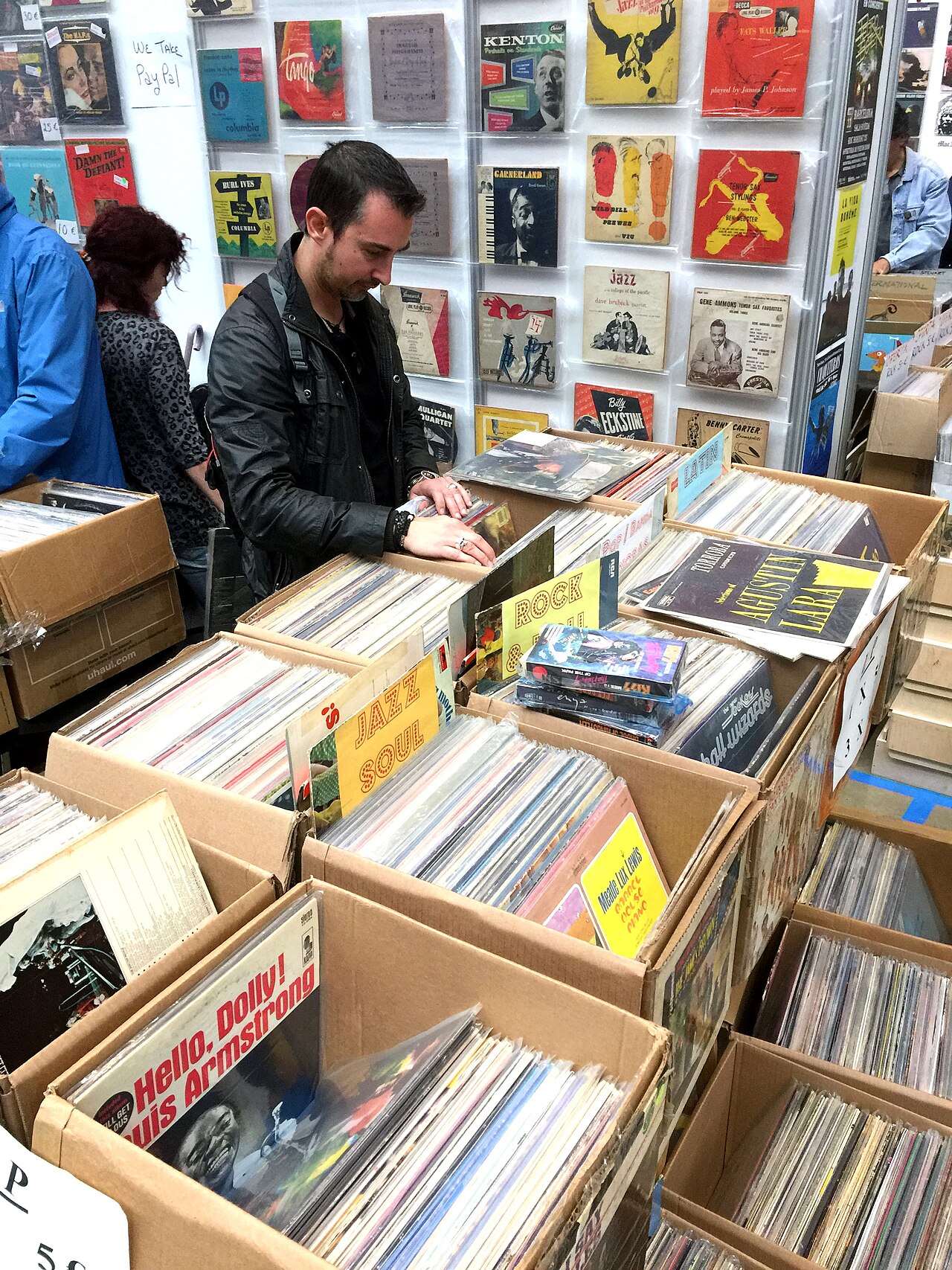
The most visible example is vinyl, which has gone from near-extinction to a genuine cultural fixture, complete with dedicated shops, pressing plants running at capacity and new releases issued on record as a matter of course. But the pattern is broader than any single format. Film photography has found a devoted new audience, independent bookshops have proved more resilient than predicted, and even formats once written off as obsolete have their evangelists. Something is drawing people back toward things they can hold.
Part of the explanation is a reaction against the very convenience that streaming perfected. When everything is available instantly, all the time, the act of choosing loses weight. A library of tens of millions of songs can feel, paradoxically, like having nothing in particular. A record you bought, carried home and placed on a turntable demands attention in a way that an algorithmically generated playlist does not. Friction, it turns out, can be a feature.
There is also the matter of ownership. A streaming subscription is a lease, not a purchase; the catalogue can change, titles can vanish, and the moment you stop paying, you are left with nothing. A physical object is yours in a way a licence never is. For people who have watched films disappear from services or albums get quietly altered, the permanence of an object on a shelf has an appeal that goes beyond nostalgia.
Nostalgia is undeniably part of the picture, but it would be a mistake to reduce the revival to it. Many of the people buying records and shooting film are far too young to remember either as everyday technology. For them these are not relics but discoveries — deliberately chosen ways of engaging with culture that feel more intentional than tapping a screen. The appeal is less about the past than about a different relationship with the present.
The tactile dimension matters more than it might sound. The weight of a book, the ritual of dropping a needle, the surprise of a developed photograph — these sensory experiences give cultural consumption a texture that pure convenience strips away. Streaming optimised for frictionlessness; the revival is, in part, a rediscovery of the pleasures that friction carried with it.
There is an economic wrinkle worth noting. Physical media is, in cold terms, less efficient and more expensive than streaming, and its revival will not displace the dominant model. What it represents instead is a parallel market — smaller, more deliberate and often more profitable per unit — for people willing to pay for a deeper form of engagement. The two can coexist, and increasingly do.
It would be easy to overstate all this. Streaming remains how the overwhelming majority of people consume most of their music and film, and no revival is going to reverse that. The physical resurgence is a movement at the margins, not a counter-revolution. But margins can be revealing, and this one says something worth hearing.
What it says, perhaps, is that abundance is not the same as satisfaction. Given access to everything, many people find they want less, chosen more carefully and held more closely. The object on the shelf is a small rebellion against the infinite scroll — a way of insisting that some things are worth owning, keeping and returning to. That the rebellion is quiet does not make it any less telling.
Source Reporters corrects errors promptly. Spotted something wrong? Tell us — read our editorial standards and corrections policy.