Single 'queen odour' found to keep naked mole-rat societies in line
A single chemical scent produced by the queen of a naked mole-rat colony is enough to suppress reproduction in her rivals, researchers report in Nature, resolving a long-standing puzzle about how o...
By Source Reporters Newsdesk
Sat, 18 July 2026 · 1 min read
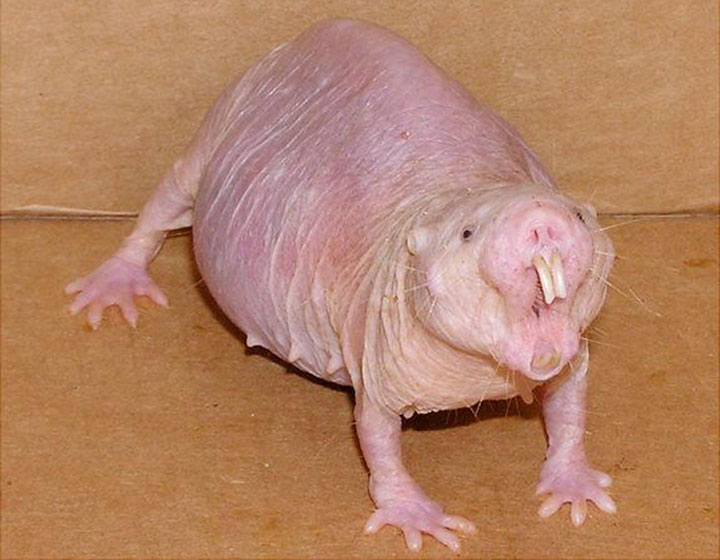
A single chemical scent produced by the queen of a naked mole-rat colony is enough to suppress reproduction in her rivals, researchers report in Nature, resolving a long-standing puzzle about how one female dominates these eusocial mammals (https://www.nature.com/articles/s41586-026-10772-5). Nature described the discovery as the "holy grail" of naked mole-rat research (https://www.nature.com/articles/d41586-026-02221-0).
The study, by Khallaf et al., found that the queen's "odour" mediates reproductive suppression across the colony — a mechanism that lets one female monopolise breeding while others forgo reproduction (https://www.nature.com/articles/s41586-026-10772-5). The findings are summarised in accompanying Nature coverage, including "The simple chemical that lets queen naked mole-rats 'rule'" (https://www.nature.com/articles/d41586-026-02186-0) and "How naked mole rat queens stop rivals reproducing" (https://www.nature.com/articles/d41586-026-02168-2).
Naked mole-rats live in large underground colonies with a social structure resembling that of ants and bees, making them a leading model for studying co-operation and reproductive control in mammals (https://www.nature.com/articles/d41586-026-02221-0). Identifying the chemical signal behind the queen's power offers insight into the biology of eusociality — social organisation in which most individuals sacrifice personal reproduction for the colony.
The result helps explain how a single individual can maintain reproductive dominance without constant physical conflict, a question that has intrigued biologists since the animals' unusual societies were first studied (https://www.nature.com/articles/d41586-026-02221-0). The authors link the pheromone-like cue to the broader machinery of reproductive suppression in a eusocial mammal.
Source Reporters corrects errors promptly. Spotted something wrong? Tell us — read our editorial standards and corrections policy.