UK sets default midnight social media curfew for 16 and 17-year-olds
Instagram, TikTok and YouTube will be switched off overnight by default for older teenagers — who will be able to switch the setting back on.
By Source Reporters Newsdesk
Wed, 22 July 2026 · 2 min read
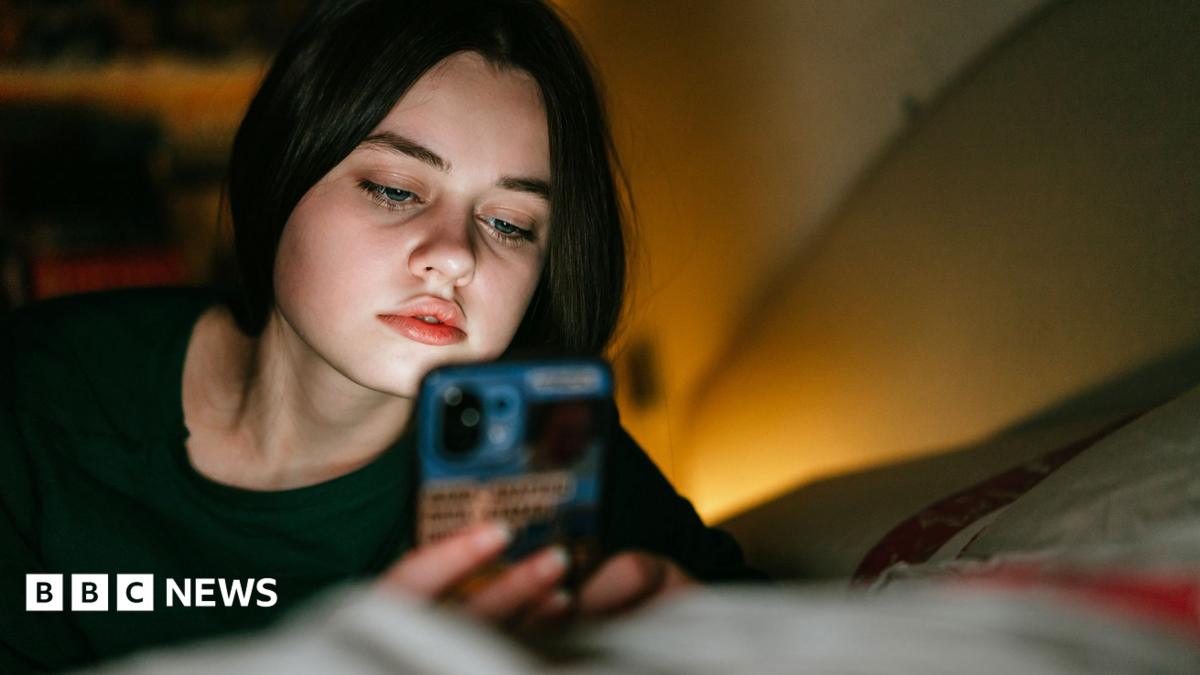
Older teenagers in the UK will face an overnight social media curfew under plans announced by the government, though they will be able to turn it off by changing their account settings.
Apps including Instagram, TikTok and YouTube would be unavailable by default to 16 and 17-year-olds between midnight and 06:00. The government also wants "addictive" features such as auto-play and infinite scroll disabled by default, arguing that the combination will improve teenagers' focus, sleep quality and family life.
The opt-out is the point of contention. Ellen Roome, who believes her 14-year-old son Jools Sweeney died in an online challenge gone wrong in 2022, said the plan did not go far enough. "I just think it's not good enough really just to have a product you can switch off," she told BBC Radio 4's Today programme. "It's a bit like offering a 17-year-old a bottle of alcohol and then moving it slightly out of arm's reach — they can just drag it back in. I really wish they could go stronger and harder on these things."
The measures follow June's announcement that under-16s would be banned entirely from a range of platforms, and add to an increasingly crowded set of overlapping policies: optional parental controls, child-only versions of sites such as YouTube, platform-level age checks and now device-level ones.
Lorna Woods, professor of internet law at Essex University, said the curfew was aimed squarely at parental anxiety. "There have been concerns about the way services keep children and young people engaged on their phones for long periods, and that this can impact their sleep, amongst other effects," she said.
Where the checking should happen remains unresolved. Meta, which owns Facebook, Instagram and WhatsApp, has argued that age verification belongs with device manufacturers rather than platforms. Apple has moved in that direction, asking users of iPhones and iPads running its latest operating system to verify their age.
Baroness Kidron, a long-standing campaigner for device-level age assurance, was critical of the government's framing. The aim, she told BBC Breakfast, should not be "banning children from tech" but "banning tech from putting toxic products in the hands of children".
Ministers defended the package. Online safety minister Kanishka Narayan said the curfew combined with limits on auto-play meant "Britain is already going to be the most robust place in the world when it comes to regulating" technology companies. Technology Secretary Liz Kendall said the measures would be "crucial in helping young people get the sleep they need, focus on school and college, and spend more quality time with family and friends, all of which are fundamental to building a happy, healthy and fulfilling adult life".
Source Reporters corrects errors promptly. Spotted something wrong? Tell us — read our editorial standards and corrections policy.