Water industry calls UK datacentre plans 'fatally flawed' over cooling demand
Water UK told MPs the government's own forecasts explicitly exclude datacentres, while three-quarters of them are being built in the driest parts of England.
By Source Reporters Newsdesk
Wed, 22 July 2026 · 2 min read
Britain will not have enough water for the datacentres it intends to build, the water industry has told MPs, in unusually blunt criticism of the government's plans for AI-driven growth.
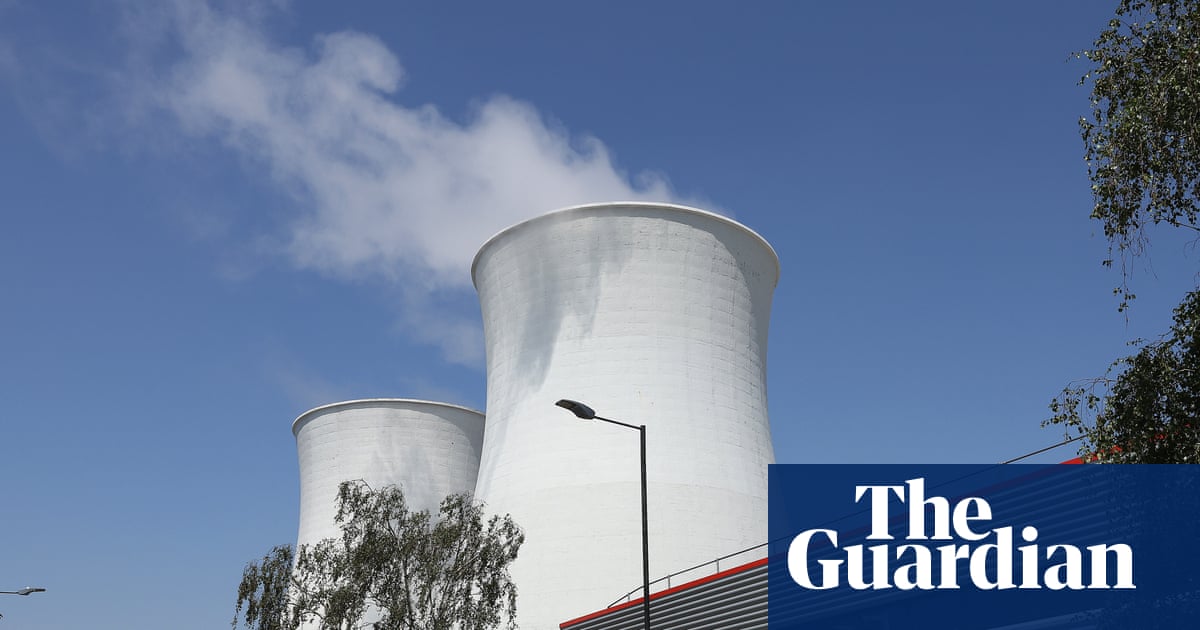
Datacentres consume large volumes of water to manage the heat thrown off by densely packed servers. Cooling towers, chillers and humidification systems draw on it directly, and more is consumed indirectly through the electricity they require.
In a written briefing to MPs, Water UK — the trade body representing water companies in Britain and Northern Ireland — described the government's water forecasts as "fatally flawed", saying they "explicitly exclude" datacentres. The government "makes not a single mention of water" in its policy for delivering AI growth zones, its AI for science strategy, or its AI opportunities action plan, the briefing said. The Environment Agency's most recent national framework for water resources, published in June 2025, likewise contained no estimate of datacentre demand.
"There appears to be an assumption that the country will always have enough water for its economic needs," the briefing said. "Nothing could be further from the truth."
The arithmetic is already uncomfortable. A House of Lords report in May found England faced a shortfall of 5bn litres a day for public water supplies by 2055. More than three-quarters of Britain's datacentres are in the south and east of England — the regions where millions of people have been placed under hosepipe bans after prolonged heat and low rainfall.
Further growth in those areas "may be impossible" without a change of policy, Water UK said. The options are narrow: "As leakage and demand targets are already very ambitious, the only solution to deliver new supply is to increase the amount of water taken from the environment — which may be harmful — or to build new supplies, and major reservoirs can take 15 years to plan and build."
The trade body noted that water companies have cut leakage by around 40% since privatisation and plan a further 17% reduction by 2030. Greenpeace countered last week that companies are still losing five times more water through leaking pipes than a national hosepipe ban would save.
The pressure is sharpest around Slough, home to the UK's densest concentration of datacentres and served by Affinity Water. Roughly 125 datacentres are proposed or under construction in Affinity's region, much of which is under a hosepipe ban. The company told MPs in May that some were requesting up to 3m litres a day each — the peak demand of about 3,500 homes.
"The planning framework is built around household growth and per-capita consumption, and has not adapted to commercial users whose water needs can match those of a market town," Affinity wrote to the environmental audit select committee. That, in one sentence, is the gap between the growth plan and the pipes.
Source Reporters corrects errors promptly. Spotted something wrong? Tell us — read our editorial standards and corrections policy.