Why the Cloud Isn't Really a Cloud, Explained
The cloud sounds abstract, but it is just someone else's computers in vast data centres. Here is what cloud computing actually is.
By Source Reporters Newsdesk
Thu, 23 July 2026 · 2 min read
Few phrases in modern technology are as soothing and as misleading as the cloud. It suggests something weightless and everywhere, a place where files and services simply float, free of physical form. The reality is almost the opposite. The cloud is intensely physical: it is a global network of enormous buildings filled with computers, and understanding that fact makes a great deal of modern technology suddenly concrete.
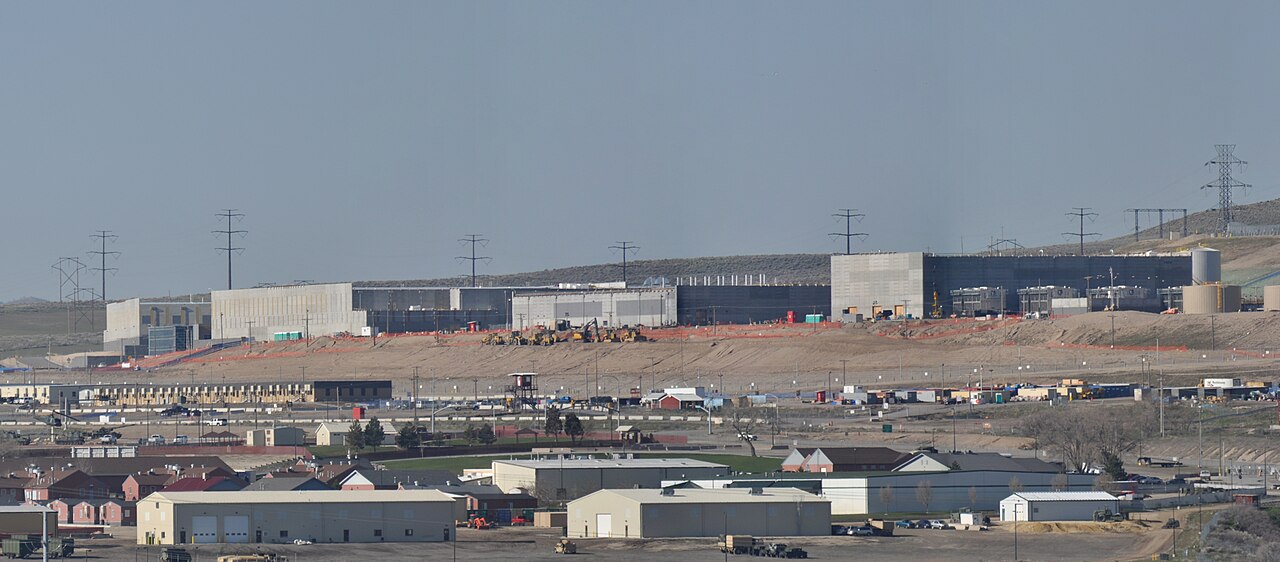
When you store photos online, stream a film, or use a web-based application, your data and the software running it live on machines called servers. Cloud computing simply means renting space and power on someone else's servers rather than owning and maintaining your own. Those servers sit in data centres, warehouse-sized facilities packed with thousands of machines, cooled, powered and connected to the internet around the clock. When people say something is in the cloud, they mean it is running in one of these buildings somewhere in the world.
The appeal of this model is powerful. Instead of buying expensive hardware, keeping it running and replacing it as needs grow, a business or individual can rent exactly as much computing as they need and scale up or down on demand. A small startup can access the same industrial-grade infrastructure as a large corporation, paying only for what it uses. This flexibility is a large part of why so many of the services people rely on every day are built on the cloud.
It also reshapes responsibility. When your data lives on a provider's servers, that provider handles the maintenance, security patching and physical safety of the machines. That is convenient, but it also means trusting the provider with your information and depending on their reliability. When a major cloud provider suffers an outage, countless websites and apps that quietly rely on it can go down at once, a reminder of how concentrated this invisible infrastructure has become.
The physical reality has consequences people rarely see. Data centres consume vast amounts of electricity, both to run the servers and to keep them cool, which is why their energy use and environmental footprint have become serious topics. The weightless-sounding cloud has a substantial carbon and water cost, and where and how these facilities are powered genuinely matters.
Stripping away the metaphor is clarifying. The cloud is not magic and not everywhere; it is specific machines in specific buildings, owned by companies, drawing real power, that you are renting from a distance. Holding that picture in mind makes questions about privacy, reliability and environmental impact far easier to reason about, and turns an abstract buzzword into something you can actually understand.
Source Reporters corrects errors promptly. Spotted something wrong? Tell us — read our editorial standards and corrections policy.