China-Taiwan tensions rise as coast guard patrols and a chip-smuggling probe deepen the standoff
Beijing's growing coast guard presence east of Taiwan, a major Nvidia chip-smuggling investigation, and Japan's shifting defense posture are together raising the stakes in the strait.
By Source Reporters Newsdesk
Fri, 24 July 2026 · 3 min read
Tensions across the Taiwan Strait have escalated on several fronts in recent weeks, as Beijing expands its coast guard presence around the island, Taiwanese prosecutors pursue a major chip-smuggling investigation, and Japan signals a more active defense posture in any future contingency involving Taiwan.
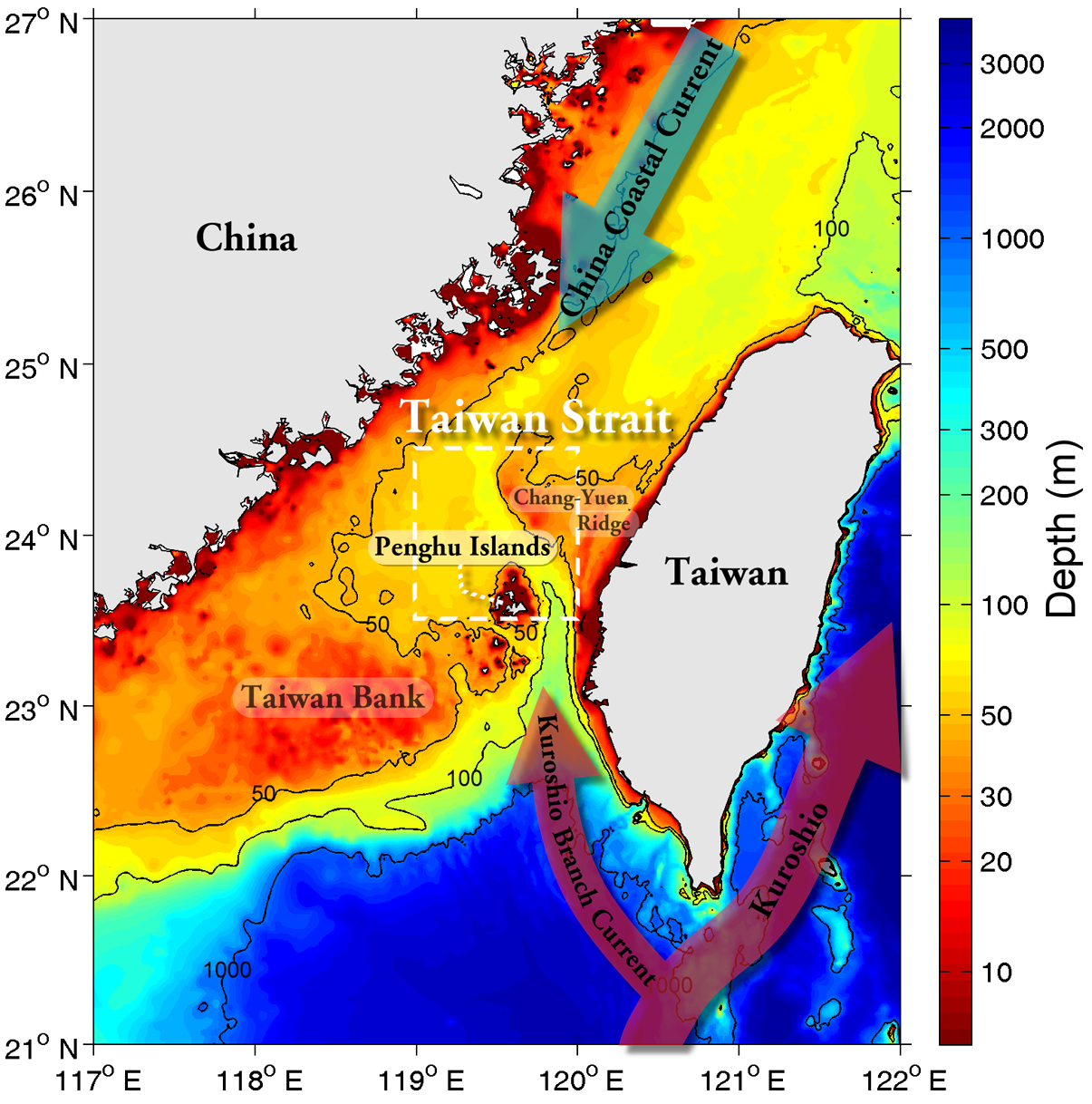
China's coast guard has increased its operational presence in waters east of Taiwan, a shift regional security analysts say would make it easier for Beijing to launch a so-called quarantine or blockade of the island on short notice, particularly if commercial vessels passing through the area come to tacitly recognize and comply with Chinese "law enforcement" activity there. Unlike a full naval blockade, a coast guard–enforced quarantine occupies a gray zone that falls short of an act of war under most legal interpretations, making it a tool Beijing has increasingly leaned on to assert control without triggering the kind of clear military escalation that would force a more forceful international response.
Separately, Taiwanese authorities have intensified their investigation into the smuggling of advanced Nvidia semiconductors into mainland China, a case that has become one of the most significant chip-smuggling investigations to date. Prosecutors searched the Taiwanese offices of US server maker Super Micro and several other companies, and are investigating six individuals in connection with smuggling roughly $22 million worth of Nvidia chips into China. Investigators reportedly recovered 50 sets of servers containing Nvidia's advanced GB300 chips, along with roughly NT$9 million in cash, during the searches. The case highlights the persistent gap between US export controls on advanced AI chips and the determination of intermediaries to route restricted hardware into China through third-party jurisdictions like Taiwan.
Japan, meanwhile, has continued to reshape its own defense posture in ways that bear directly on any future Taiwan contingency. Tokyo has loosened long-standing restrictions on defense equipment exports and has signaled more openly than in the past that it may intervene in a Taiwan crisis, a significant shift for a country whose post-war constitution has traditionally constrained its military role. Japan has also agreed to sell Mogami-class frigates to Australia, discussed a similar sale to New Zealand, and deepened military diplomacy and exchanges with South Korea — moves widely read as part of a broader effort to build a more capable regional security network as concerns about Chinese assertiveness grow among US allies in the Indo-Pacific.
The combination of coast guard pressure, chip-smuggling enforcement, and shifting regional defense alignments reflects how the Taiwan question now touches nearly every dimension of US-China strategic competition, from military posture to technology controls to alliance politics. When Presidents Trump and Xi met earlier this year, the two leaders discussed global flash points including Taiwan but did not reach any major agreements addressing the underlying tensions, leaving the core dynamics of the standoff unresolved even as both sides continue to signal a preference for avoiding direct conflict.
Taiwanese officials have said they will continue to pursue the chip-smuggling case regardless of diplomatic sensitivities, framing export-control enforcement as essential to maintaining the island's credibility as a trusted partner in the global semiconductor supply chain — credibility that has become one of Taiwan's most important sources of international leverage as tensions with Beijing persist.
Source Reporters corrects errors promptly. Spotted something wrong? Tell us — read our editorial standards and corrections policy.