DR Congo's fragile peace: deals signed with Rwanda and M23, but eastern Congo waits to see if they hold
A US-brokered framework and a Qatar-mediated ceasefire promise to end years of fighting in eastern DR Congo. On the ground, the peace is met with deep scepticism.
By Source Reporters Newsdesk
Fri, 24 July 2026 · 2 min read
After years of devastating conflict in eastern Democratic Republic of Congo, a series of peace agreements has raised cautious hopes of an end to the fighting — even as people in the region wait to see whether the deals will hold.
The diplomatic track has advanced on two fronts. Late in 2025, DR Congo and Rwanda signed a US-brokered framework, sometimes called the Washington Accords, under which Rwanda would disengage its forces from parts of Congolese territory and Kinshasa would move to neutralise an armed group hostile to Kigali. In March 2026, the two governments announced further steps to de-escalate and implement that framework, according to a US State Department statement.
Separately, the Congolese government and the M23 rebel group — which Kinshasa and UN experts say is backed by Rwanda, an allegation Kigali denies — have pursued a Qatar-mediated peace process, building on a ceasefire declaration and a framework agreed in Doha.
The conflict has roots going back decades, but the M23's resurgence from 2022 brought renewed devastation to the mineral-rich provinces of North and South Kivu, displacing large numbers of civilians and drawing in regional powers.
Scepticism on the ground runs deep, and for good reason. Previous truces have repeatedly collapsed, and the violence has continued alongside the diplomacy. UN investigators reported that M23 fighters killed at least 319 civilians in a single stretch of July 2025 in eastern Congo — one of the largest documented death tolls in such attacks since the group re-emerged.
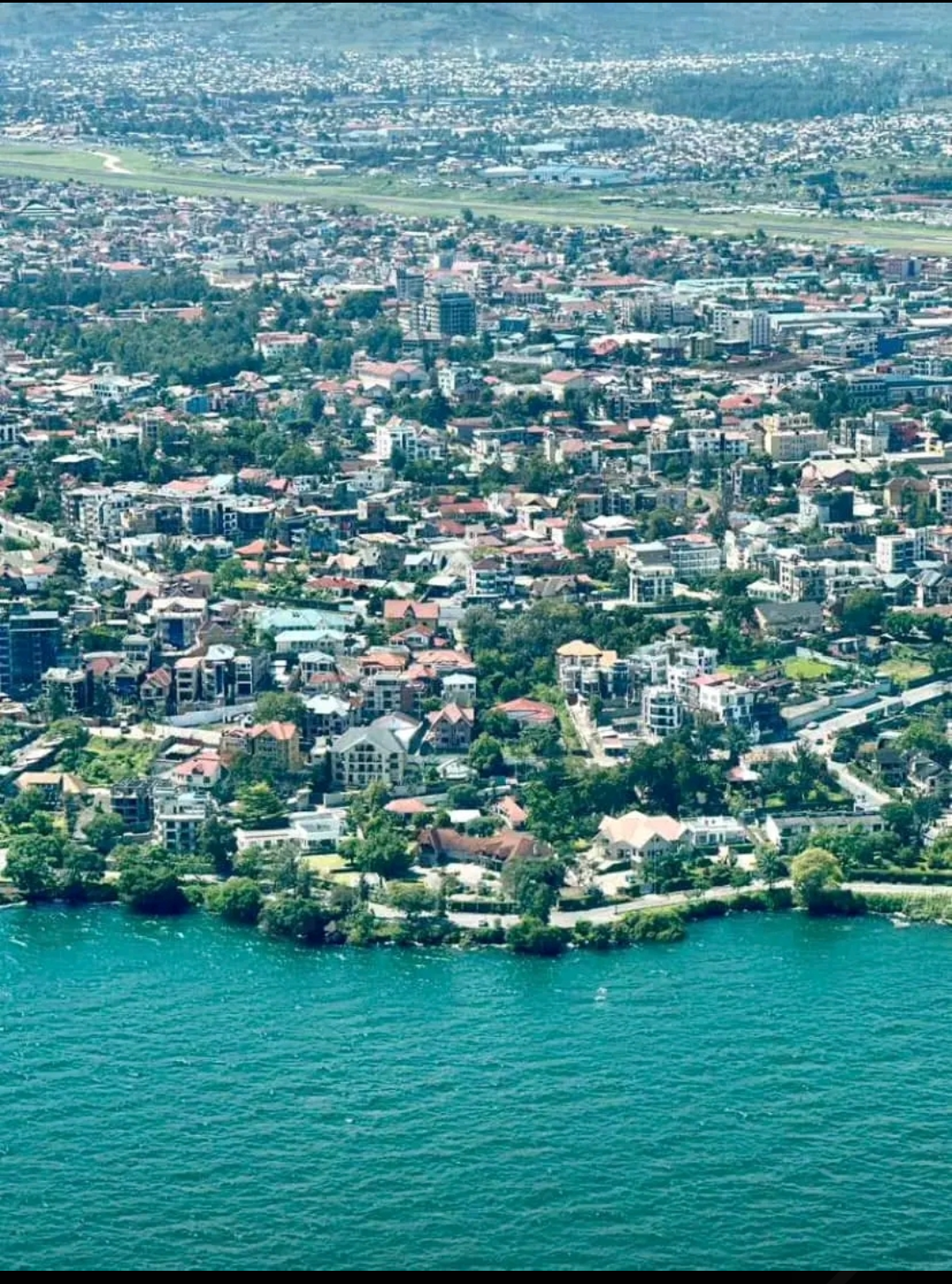
In rebel-held cities, residents have greeted the latest agreements with a mix of hope and wariness, having seen paper commitments falter before. Much depends on implementation: whether foreign forces actually withdraw, whether armed groups disarm, and whether civilians see a genuine return of security.
The stakes extend beyond Congo's borders. Eastern DR Congo is rich in minerals critical to global supply chains, and instability there has long fuelled a scramble for resources that has helped sustain the fighting.
For now, the region sits between war and peace — with signed agreements on paper and a population waiting to learn whether, this time, they will mean anything on the ground.
Source Reporters corrects errors promptly. Spotted something wrong? Tell us — read our editorial standards and corrections policy.