Maduro's US trial grinds on as Venezuela's new government works to rebuild ties with Washington
The ousted Venezuelan leader appeared in a Manhattan courtroom this week, while Caracas — now run by his former vice president — pursues warmer relations and eased US sanctions.
By Source Reporters Newsdesk
Fri, 24 July 2026 · 2 min read
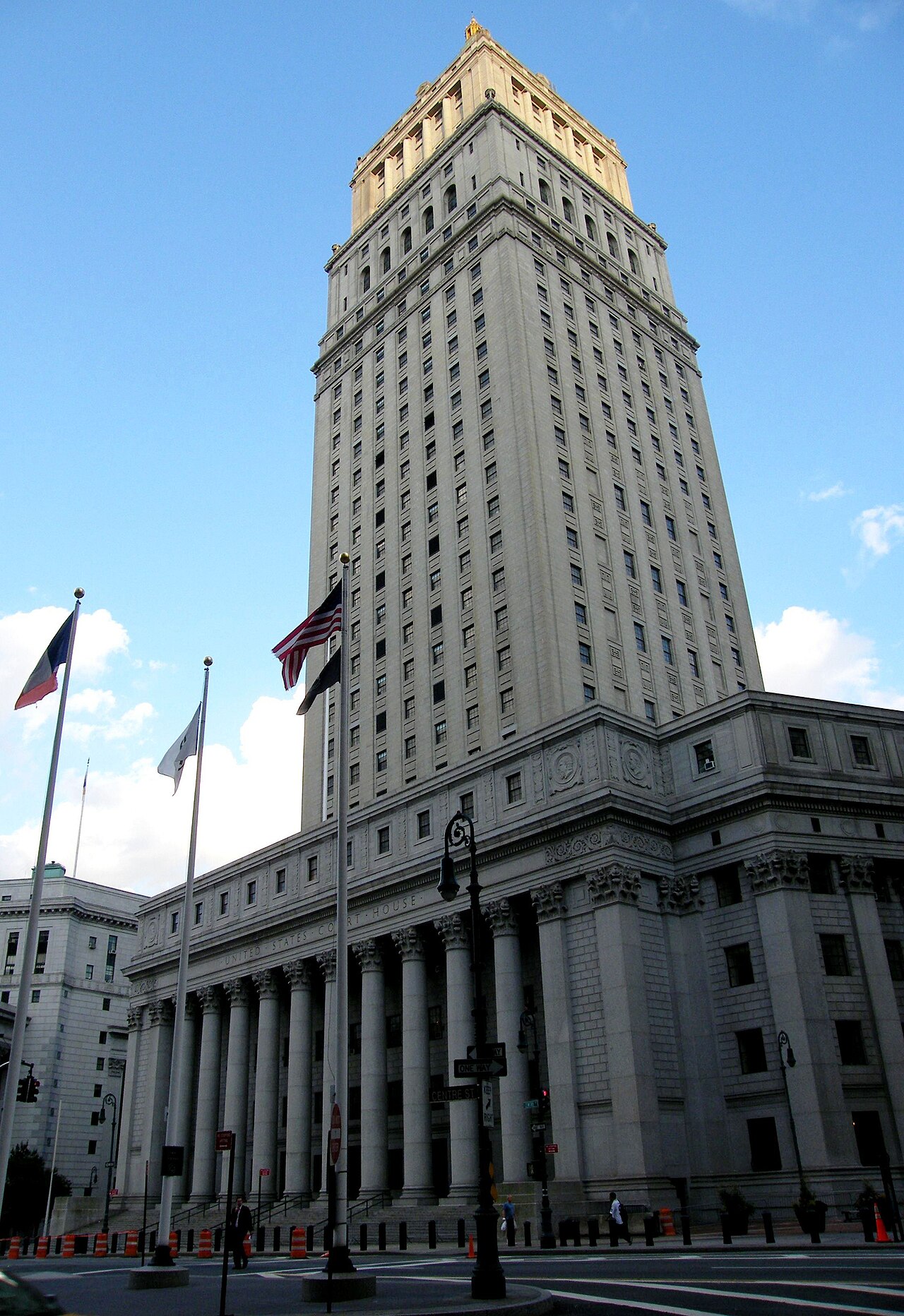
Nicolas Maduro, Venezuela's ousted former president, appeared in Manhattan federal court on July 22 alongside his wife, Cilia Flores, for a hearing on the scheduling of their ongoing drug-trafficking case in the United States — a case that continues to work its way through the US legal system months after Maduro's removal from power.
The pretrial hearing focused on procedural questions about the case timeline rather than substantive arguments, but its very occurrence underscores how thoroughly Maduro's political fortunes have been reversed. For years he led Venezuela as an authoritarian head of state locked in confrontation with Washington; he now appears in an American courtroom as a criminal defendant, one of the most striking reversals among the various strongman leaders the US has targeted with sanctions and prosecutions in recent years.
Since Maduro's capture, Venezuela has been governed by his former vice president, Delcy Rodriguez, who has pursued a markedly different approach to relations with Washington than her predecessor. Rodriguez's government has cultivated closer ties with the Trump administration, a realignment that has already produced concrete policy changes: Washington has eased sanctions on Venezuela's oil industry, historically the country's most important source of export revenue and foreign currency, and foreign companies have moved to expand oil and gas projects in the country as the sanctions regime loosens.
The eased sanctions mark a significant shift in a relationship that spent years defined by near-total economic isolation, as successive US administrations imposed increasingly restrictive measures aimed at pressuring Maduro's government over corruption, human rights abuses and its close relationship with adversarial states. Rodriguez's government has framed its warmer posture toward Washington as necessary for Venezuela's economic recovery after years of hyperinflation, mass emigration and infrastructure decay under Maduro.
That recovery effort has also had to contend with a humanitarian crisis unrelated to politics: two earthquakes struck Venezuela's coast last month, killing more than 5,000 people and prompting the US military to provide relief assistance — a level of direct American engagement with Venezuela's government that would have been difficult to imagine during the Maduro years, and one that illustrates how quickly the bilateral relationship has been reshaped since his removal.
For Washington, the loosening of oil sanctions represents a bet that engagement with the Rodriguez government will prove more effective than the isolation strategy pursued against Maduro, which failed for years to dislodge him from power despite its severe economic toll on ordinary Venezuelans. Critics of the policy shift caution that easing sanctions risks rewarding a government that, while distancing itself from Maduro personally, still shares much of his political apparatus and personnel.
Maduro's own legal proceedings are expected to continue for months, with no trial date yet set. His case is likely to remain a periodic flashpoint in the broader, rapidly evolving relationship between Washington and Caracas, even as that relationship increasingly moves on separate tracks — one defined by courtroom procedure, the other by oil deals and disaster relief.
Source Reporters corrects errors promptly. Spotted something wrong? Tell us — read our editorial standards and corrections policy.