Oil surges toward $100 a barrel after Houthi attacks on Saudi tankers in the Red Sea
Iran-backed Houthi rebels struck two tankers in a key shipping corridor, reviving fears of a wider disruption to global energy supplies just as markets were stabilizing.
By Source Reporters Newsdesk
Fri, 24 July 2026 · 3 min read
Global oil prices surged toward $100 a barrel after Iran-backed Houthi rebels attacked two Saudi-linked tankers transiting the Red Sea, reviving fears of a broader disruption to one of the world's most critical energy shipping corridors.
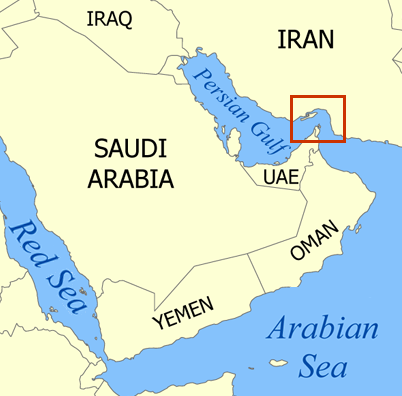
The attacks targeted vessels moving through waters off Yemen that have become increasingly dangerous for commercial shipping since the Houthis began striking tankers and container ships in solidarity with Palestinians during the Gaza war. Even as a fragile ceasefire has held in Gaza in recent months, the Houthis have periodically resumed strikes on shipping they associate with Saudi Arabia, Israel, or their allies, keeping insurance costs and freight rates elevated for vessels willing to risk the direct route through the Bab-el-Mandeb strait rather than the much longer diversion around the Cape of Good Hope.
The jump in crude prices reflects how sensitive energy markets remain to any sign of instability along the route, which historically has carried a significant share of the world's seaborne oil and gas trade between the Gulf and Europe. Traders have been particularly wary given that a sustained closure or heavy militarization of the corridor would force more tankers onto the longer African route, adding weeks to voyage times and tightening effective global shipping capacity even if underlying oil production is unaffected.
Saudi Arabia, as one of the world's largest oil exporters and a frequent Houthi target, has repeatedly called for international naval escorts and stronger enforcement against attacks on commercial shipping in the Red Sea. Western naval coalitions have maintained a periodic presence in the area since the Houthi campaign began, intercepting some missile and drone attacks, but have struggled to fully deter the group, which has continued to demonstrate the ability to strike shipping despite the deployments.
Energy analysts note that the price spike comes at a delicate moment for global markets, which had been showing signs of stabilizing after a volatile stretch tied to broader Middle East tensions, including the on-and-off US-Iran standoff over the Strait of Hormuz further east. A simultaneous flare-up in both chokepoints — Hormuz and Bab-el-Mandeb — would represent a worst-case scenario for global oil logistics, since a large share of the world's traded crude and liquefied natural gas passes through one or the other.
The immediate market impact has been felt in higher futures prices and wider volatility, with knock-on effects likely for fuel costs, shipping insurance premiums, and inflation expectations in import-dependent economies already contending with tariff-driven price pressures elsewhere in the global trading system. Governments and shipping firms are watching closely for signs of whether this is an isolated incident or the start of a renewed, sustained campaign, a distinction that will likely determine how long the price premium persists.
For now, shipping companies say they are reassessing route risk on a voyage-by-voyage basis, weighing the cost of the longer Cape of Good Hope diversion against the security risk and rising insurance premiums of the direct Red Sea route — a calculation that itself is a significant driver of the freight-cost volatility now feeding into global oil prices.
Source Reporters corrects errors promptly. Spotted something wrong? Tell us — read our editorial standards and corrections policy.