Rubio and Lavrov meet in Manila, reviving the push to end the war in Ukraine
The roughly 35-minute meeting on the sidelines of an ASEAN summit produced no breakthrough, but both sides signaled a renewed willingness to keep talking.
By Source Reporters Newsdesk
Fri, 24 July 2026 · 3 min read
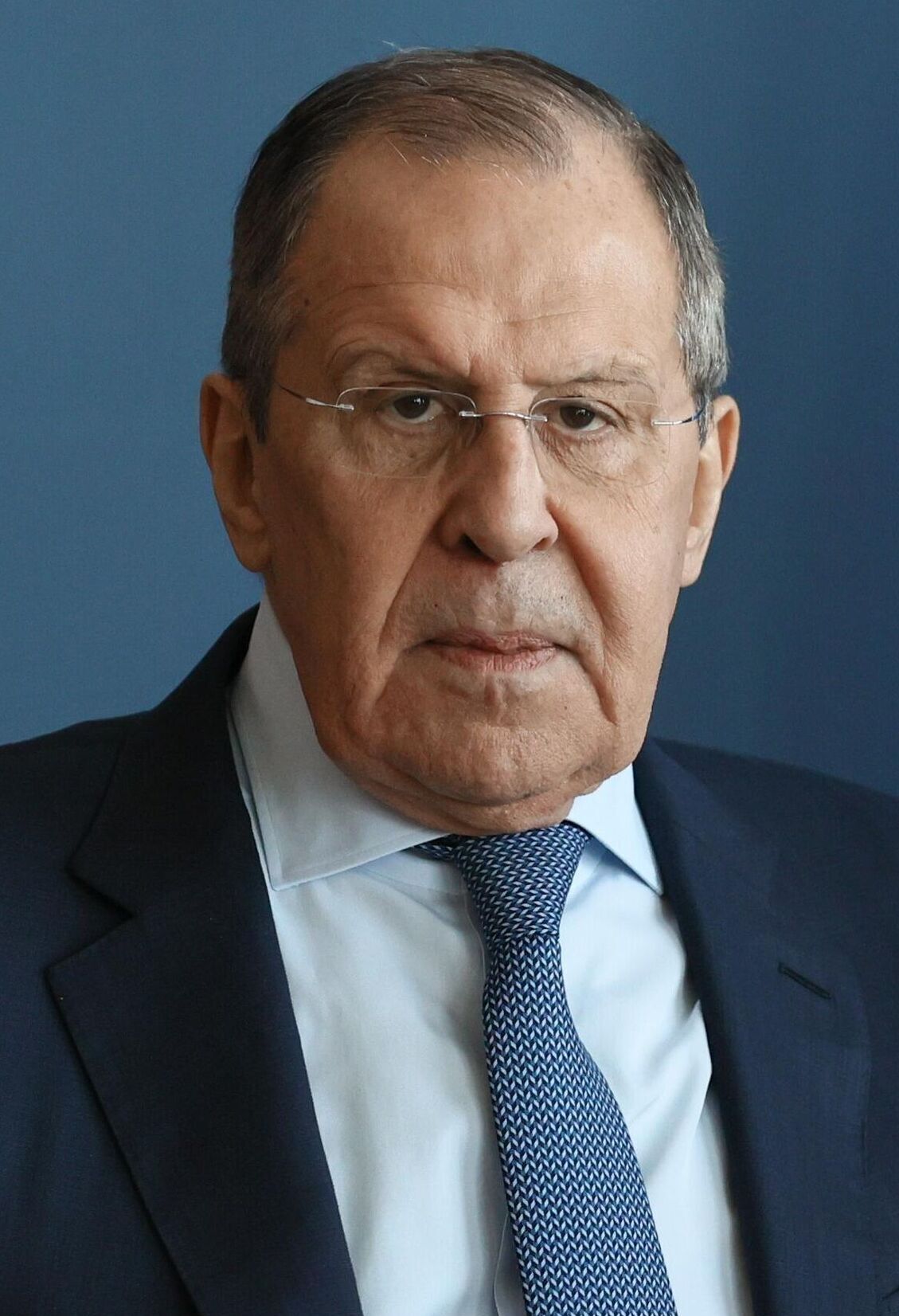
US Secretary of State Marco Rubio met Russian Foreign Minister Sergey Lavrov on the sidelines of an ASEAN foreign ministers' gathering in Manila this week, in the latest attempt to revive a stalled US effort to help broker an end to Russia's war in Ukraine.
The meeting, which lasted roughly 35 minutes according to Russian state media, was the fourth encounter between the two men since 2025, following earlier sessions in Riyadh, Kuala Lumpur and New York. Rubio told reporters afterward that the United States remained prepared to play a "constructive role" in helping end the war, while Lavrov reaffirmed Moscow's stated readiness for a political and diplomatic settlement, telling Rubio that Russia remained committed to the framework discussed by presidents Trump and Putin at their August 2025 summit in Alaska.
Neither side described the Manila meeting as producing a breakthrough, and Rubio was careful to temper expectations, saying afterward that Washington remained committed to the process but that no quick deal was imminent. The cautious tone reflects how far the diplomatic track has drifted since the Alaska summit raised hopes of a faster resolution: indirect talks between Kyiv and Moscow stalled in the months that followed, and Washington's attention shifted for a period toward the escalating confrontation with Iran, which briefly displaced Ukraine as the administration's most urgent foreign policy priority.
Russia used the Manila meeting to reiterate warnings against further Western arms shipments to Ukraine, a message Lavrov has repeated at each of his recent meetings with Rubio and that underscores how far apart the two sides remain on the terms of any settlement, even as both describe themselves as open to talks. Ukrainian officials were not present at the Manila meeting, a fact that has drawn criticism from some in Kyiv who argue that any US-Russia dialogue on the war's terms should not proceed without direct Ukrainian involvement.
The renewed contact comes against the backdrop of a war that has ground on with no clear resolution despite periodic diplomatic overtures throughout 2025 and 2026. Both Washington and Moscow have repeatedly signaled interest in negotiations at various points over the past two years, but those signals have consistently failed to translate into a durable ceasefire or settlement framework acceptable to all three parties — Russia, Ukraine and the Western coalition supporting Kyiv.
Analysts who track the diplomatic track say the Manila meeting is best understood as an attempt to keep a channel open rather than a sign of imminent progress, particularly given the absence of any announced follow-up meeting or concrete next steps. The ASEAN summit setting itself was notable: using a multilateral gathering focused on Southeast Asian affairs as the venue for a bilateral US-Russia meeting on Ukraine reflects the difficulty both sides have had finding formats for engagement amid broader diplomatic estrangement between Washington and Moscow.
For now, the war in Ukraine continues on the ground even as the diplomatic track shows intermittent signs of life, with both US and Russian officials indicating they expect further contact in the coming months, though neither has committed to a specific timeline for the next round of talks.
Source Reporters corrects errors promptly. Spotted something wrong? Tell us — read our editorial standards and corrections policy.