Spain's Meliá to Close All 34 Cuban Hotels, Citing US Sanctions
The chain says the latest measures make it 'impossible, de facto and de jure' to maintain even minimal operational stability on the island.
By Source Reporters Newsdesk
Wed, 22 July 2026 · 2 min read
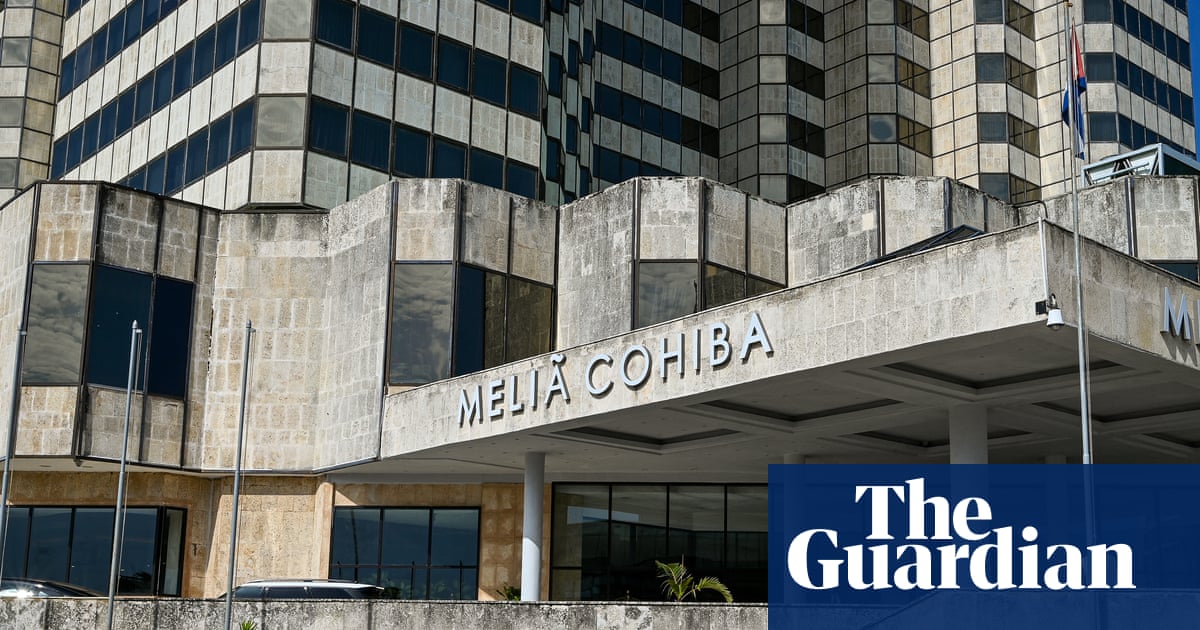
The Spanish hotel chain Meliá will cease all operations in Cuba at the end of this week, citing "major difficulties" in doing business on the island under growing pressure from Washington.
The latest US sanctions make it "impossible, de facto and de jure, to maintain even minimal operational stability", the group said in a statement on Tuesday to the Spanish stock market regulator. It said it would work to ensure a smooth transition and reduce the impact as far as possible on staff, suppliers and clients.
The announcement completes a withdrawal that began last month, when Meliá said it would stop operating 15 of its 34 Cuban hotels, joining other foreign companies that have cut ties with the island's military conglomerate GAESA under pressure from Washington. That earlier statement made no reference to the other 19 hotels the company ran in partnership with Cuba's tourism ministry — properties now also covered by the exit.
The scale of the departure is significant for the Cuban economy. Meliá is one of the largest foreign hotel operators in the country, with 14,000 rooms, and tourism is among the few reliable sources of hard currency available to the government.
The company's history on the island underlines the reversal. Meliá was the first Spanish hotel group to establish a presence in Cuba after the Caribbean nation opened its tourism sector to foreign operators in the 1990s, a liberalisation intended to ease the economic crisis triggered by the collapse of the Soviet Union.
Donald Trump ordered new sanctions against Cuba in May, targeting a broad set of individuals and threatening foreign banks and companies that did business with them. The threat to third-country firms, rather than the direct prohibition, is what has driven European operators out: the risk is not to their Cuban revenue but to their access to the US financial system.
The measures sit on top of an economic embargo in place since 1962. Since January, Washington has also blocked all oil shipments to the island, with the exception of a single Russian vessel — a restriction that has deepened the blackouts and fuel shortages now shaping daily life in Cuba.
Reported from the Guardian.
Source Reporters corrects errors promptly. Spotted something wrong? Tell us — read our editorial standards and corrections policy.