The 2026 Iran War, Explained: How a February Attack and a Failed Truce Led Back to War
The US-Iran conflict began in February 2026, paused under a June truce, then reignited in July. Here is a clear timeline of how the 2026 Iran war unfolded.
By Source Reporters Newsdesk
Thu, 23 July 2026 · 2 min read
The conflict now widely referred to as the 2026 Iran war has moved through distinct phases in a matter of months — from a sudden opening in winter, through a brief and fragile truce, to renewed fighting in July. Following the sequence makes the current escalation far easier to understand.
The war opened on 28 February 2026. According to reference accounts of the conflict, it was initiated by the United States and Israel, and its early phase included the targeting of Iran's Supreme Leader, Ali Khamenei. Iran responded with a large-scale retaliation, launching hundreds of missiles and thousands of drones. What began as a set of concentrated strikes rapidly became a sustained confrontation drawing in the wider region.
After roughly three and a half months of fighting, mediators announced a memorandum of understanding on 14 June 2026, intended to bring the conflict to a formal end. For a few weeks, it appeared the war might be winding down. But the pause proved brittle. In July the conflict resumed after Iran struck three commercial vessels, and the United States answered with successive nights of strikes on Iranian targets. By late July, officials were describing new waves of attacks with no clear off-ramp in sight.
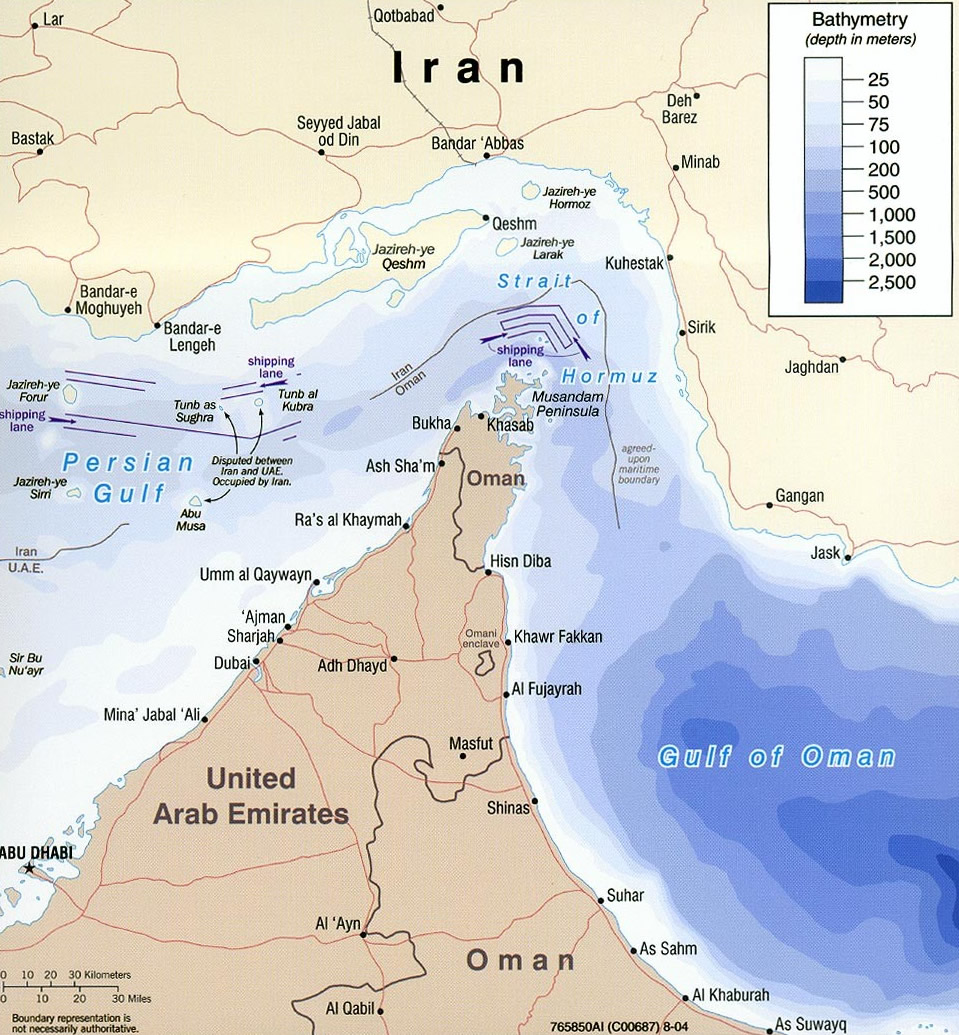
Several features have made this war especially volatile. The Strait of Hormuz, through which a large share of global oil is shipped, sits at the heart of the confrontation, meaning any disruption there reverberates through energy markets worldwide. The fighting has also spread beyond the two principals: Jordan has intercepted Iranian missiles crossing its territory, and Iran-aligned Houthi forces in Yemen have targeted shipping and threatened Saudi Arabia, pulling Gulf states toward a conflict they have tried to avoid.
The stakes are correspondingly high. Beyond the direct casualties — including US service members killed and wounded since the July escalation — the war threatens global oil supplies, regional stability and the credibility of the diplomacy that briefly halted it. Whether the June framework can be revived, or whether the current strikes harden into a longer war, is the central question hanging over the region.
This explainer reflects verified reporting as of 23 July 2026 and will date as events move.
Sources: Britannica; Al Jazeera; CNN; NPR.
Source Reporters corrects errors promptly. Spotted something wrong? Tell us — read our editorial standards and corrections policy.