US-Iran ceasefire collapses as strikes resume and the Strait of Hormuz chokes global oil
A June truce between Washington and Tehran has broken down after fresh strikes. The standoff over the Strait of Hormuz is disrupting oil shipments and pushing up prices.
By Source Reporters Newsdesk
Fri, 24 July 2026 · 2 min read
A fragile ceasefire between the United States and Iran has collapsed, with both sides exchanging fresh strikes and the standoff spilling into the world's most important oil chokepoint, the Strait of Hormuz.
The truce had been built on a memorandum of understanding reached in June 2026 that was meant to wind down the conflict. But as the United States stepped up strikes against Iranian assets in early July, President Donald Trump said he considered the ceasefire over, and a week of intensified exchanges left it, in the words of one report, in tatters.
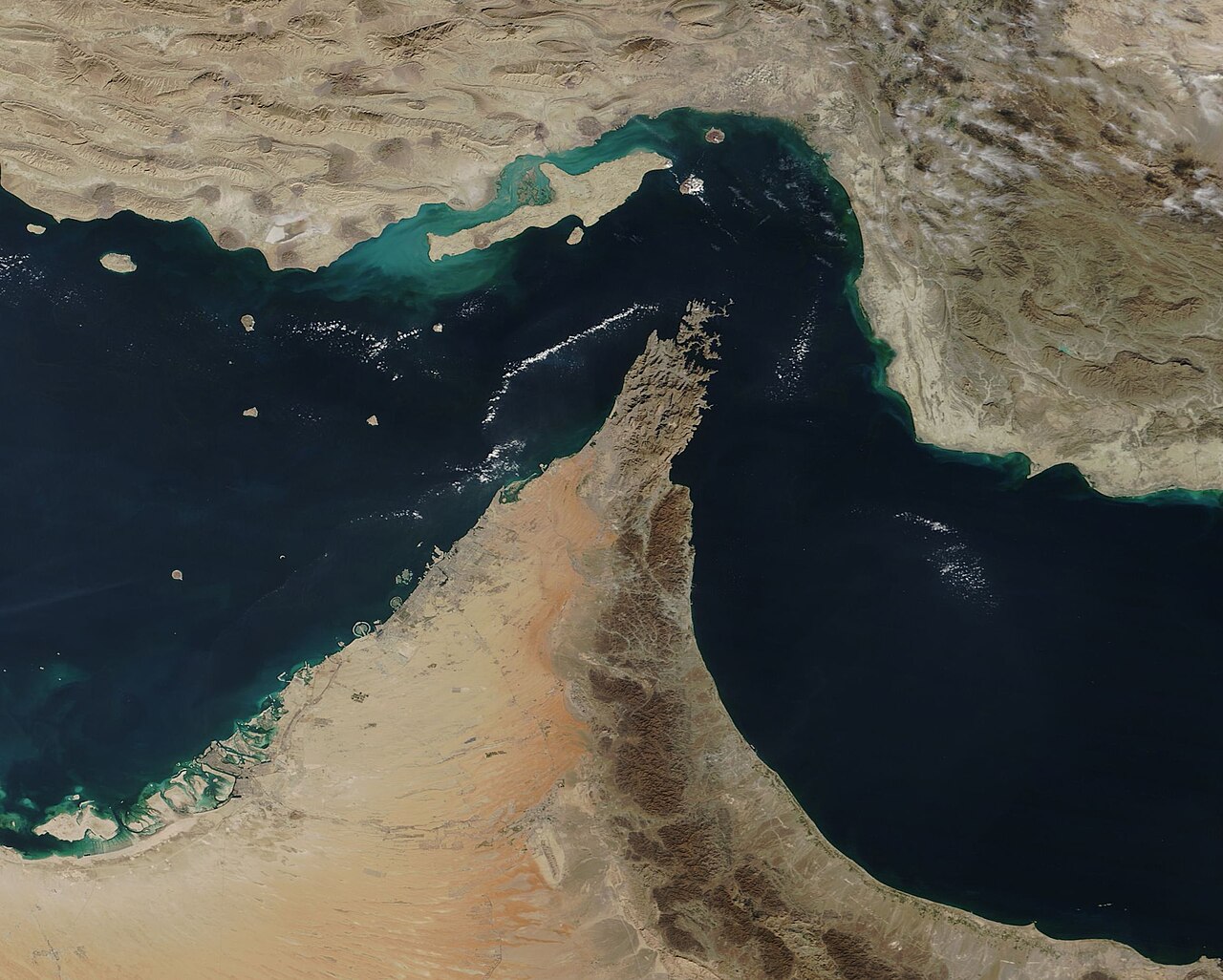
The Strait of Hormuz has become the central flashpoint. Iran has continued to assert control over parts of the waterway — through which a large share of the world's seaborne oil passes — and has repeatedly threatened and, according to reports, fired on ships, seeking to force commercial vessels to follow routes and protocols it dictates.
The economic consequences are being felt well beyond the region. With shipping through the strait slumping and some oil movements effectively halted, oil prices have climbed and fuel prices have ticked higher for consumers, a reminder of how quickly a localised confrontation can ripple through the global economy.
Diplomats are scrambling to prevent a wider war. Qatar and Pakistan are working to bring Washington and Tehran back to the negotiating table, though there is no sign that the renewed fighting will end soon.
The conflict has already proved costly. US officials have said the war with Iran had run to tens of billions of dollars, and the administration has sought further funding from Congress to sustain operations — a sign of how open-ended the commitment has become.
Each side blames the other for the breakdown. Washington casts its strikes as a response to Iranian aggression at sea; Tehran frames its actions in the strait as a defence of its waters and a lever against pressure. Between those positions sits a dangerous reality: warships, commercial tankers and military assets crowded into a narrow waterway where a single miscalculation could escalate fast.
For now, mediators are focused on a narrow goal — pulling both sides back from the brink long enough to revive talks — while the tankers wait and the oil market watches the strait.
Source Reporters corrects errors promptly. Spotted something wrong? Tell us — read our editorial standards and corrections policy.