Deadly European heat and a strengthening El Niño mark a punishing summer
Scientists estimate thousands of excess deaths during June heatwaves in Europe as forecasters warn that a strong El Niño is taking shape in the Pacific, raising the risk of further extremes.
By Source Reporters Newsdesk
Thu, 23 July 2026 · 1 min read
A brutal run of summer weather is underscoring the human cost of a warming climate, with researchers estimating around 10,000 excess deaths across Europe during June heatwaves — the vast majority among people aged 65 and older.
Extreme heat is often called a silent killer because its toll is easy to overlook. Unlike storms or floods, heatwaves rarely leave visible destruction, but they place enormous strain on the body, especially for older people and those with existing health conditions. Estimates of "excess deaths" compare the number of people who died during a period with what would normally be expected, helping to reveal heat's hidden impact.
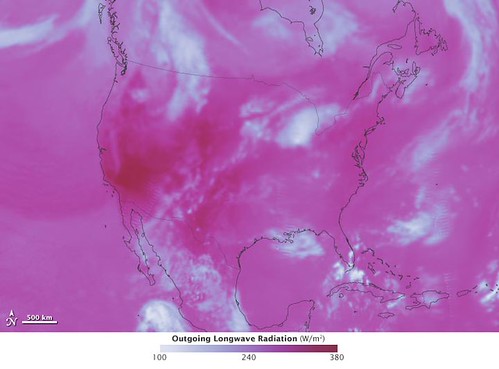
The heat has not been confined to Europe. In the United States, extreme temperatures forced the cancellation of parades and public events, while emergency rooms reported high numbers of people with heat-related illness. Elsewhere, smoke from large wildfires has drifted across borders, degrading air quality far from the flames.
Now forecasters are watching another driver of extreme weather. Scientists say El Niño conditions have emerged in the equatorial Pacific, with some models pointing to a strong event. El Niño, a periodic warming of ocean waters, tends to nudge global temperatures higher and reshape weather patterns around the world, raising the odds of heat, drought and heavy rainfall in different regions.
Layered on top of long-term warming, a strong El Niño could make the months ahead especially volatile. Climate scientists have long warned that heatwaves are becoming more frequent, more intense and more deadly as the planet warms.
The immediate lesson from this summer, experts say, is the value of preparation: heat-health warnings, cooling centres, checks on vulnerable neighbours and city planning that accounts for rising temperatures. Adapting to heat, they argue, is no longer optional.
Source Reporters corrects errors promptly. Spotted something wrong? Tell us — read our editorial standards and corrections policy.