Earth is absorbing twice as much extra heat as in 2000 — but clean energy is now the cheaper option
Scientists warn Earth is reflecting less sunlight and absorbing extra energy at more than double the rate of 2000, even as solar and battery power undercut gas on cost.
By Source Reporters Newsdesk
Fri, 24 July 2026 · 2 min read
Two forces are pulling the planet's climate story in opposite directions in 2026: the physics of a warming Earth is growing more alarming, while the economics of clean energy is turning decisively favourable.
On the warming side, scientists report that Earth is now reflecting less sunlight back into space than it used to. The rate at which the planet is absorbing extra energy has more than doubled since 2000 — a striking measure of how fast heat is building up in the climate system.
One reason may be clouds. Increased low-lying cloud cover has, in recent years, shaded the ocean and modestly slowed global warming. But researchers warn that this cooling feedback may now be reversing, which could accelerate warming further if it does.
Feedback loops like this are what make climate science so consequential. Small shifts in how much sunlight the Earth reflects can translate into large changes in surface temperature over time, amplifying the warming already driven by greenhouse gases.
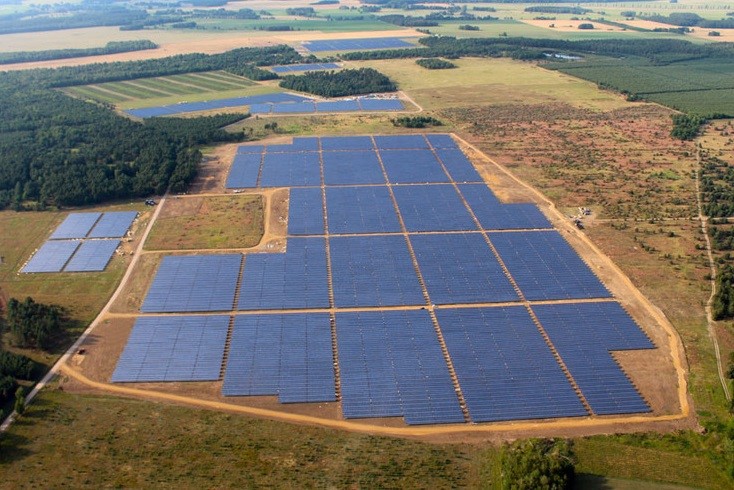
The economic news offers a counterweight. A global shift toward carbon-free power has made renewables cost-competitive with fossil fuels, and combined solar-and-battery systems can now supply electricity more affordably than gas in many places.
That is a profound change. For decades, cutting emissions was framed as a costly sacrifice; increasingly, the cleanest option is also the cheapest, which reshapes the incentives for governments, utilities and investors alike.
Some regions are already far down that path. According to the Portuguese Association for Renewable Energies, 80.7% of Portugal's electricity in January 2026 came from renewable sources — a real-world demonstration of how quickly a grid can transform.
The scientific warning and the economic opportunity are, in the end, two sides of the same story: the case for moving faster on clean energy has rarely been stronger, and the tools to do it have rarely been cheaper.
Source Reporters corrects errors promptly. Spotted something wrong? Tell us — read our editorial standards and corrections policy.