How Recycling Really Works, and Where It Falls Short
Recycling is not as simple as tossing things in a bin. Here is what actually happens to your waste and why so much still goes to landfill.
By Source Reporters Newsdesk
Thu, 23 July 2026 · 2 min read
Recycling occupies a comforting place in modern life, a simple daily act that feels like doing right by the planet. Yet what happens after the bin is collected is far more complicated than most people imagine, and understanding the real journey of recyclable waste reveals both why recycling matters and why it so often falls short of its promise.
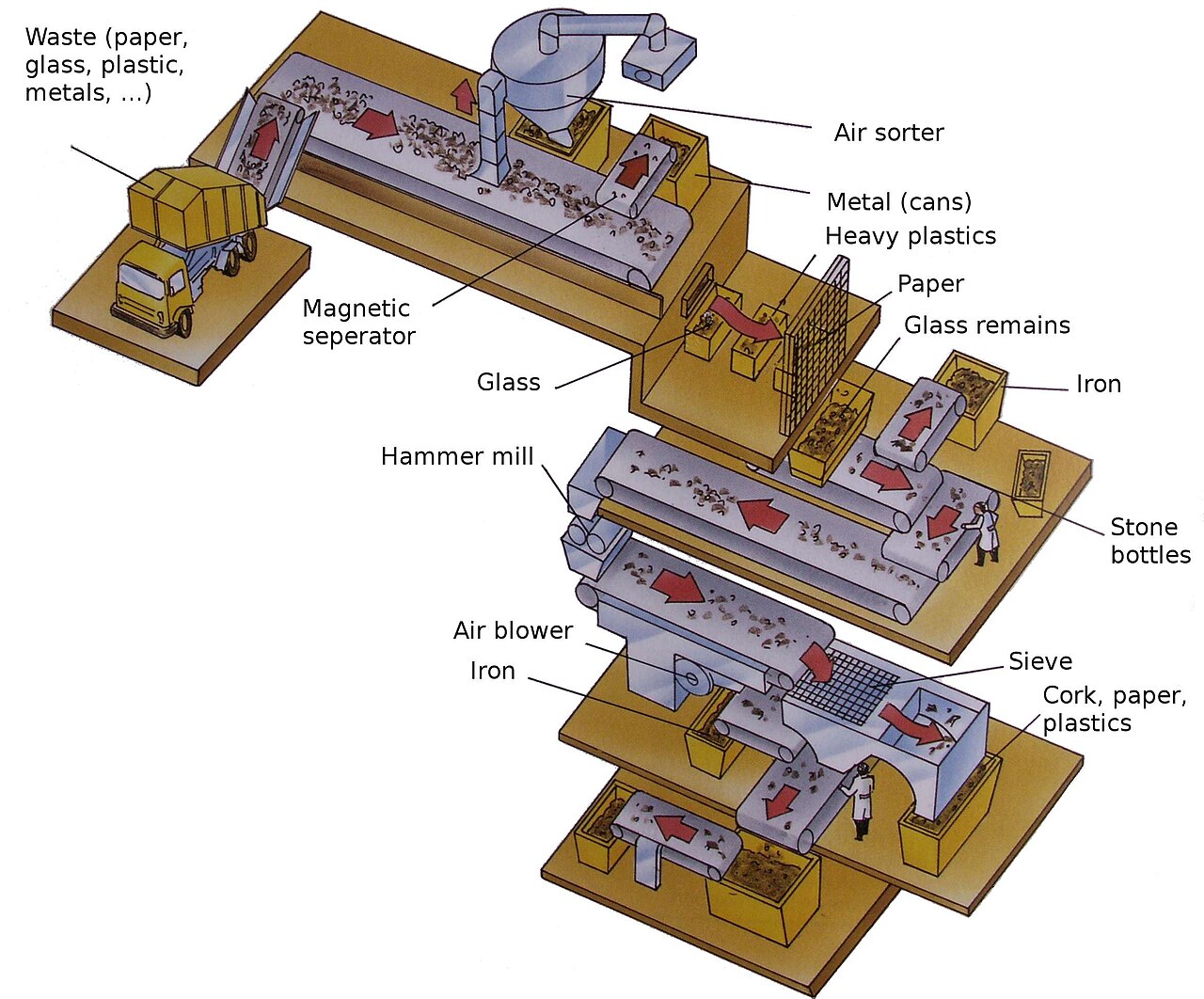
The process starts with sorting, and sorting is harder than it looks. Collected material travels to a facility where it is separated by type, paper from plastic, glass from metal, using a mix of machines and human labour. Only clean, correctly sorted material of the right kind can actually be turned into something new. When the wrong items are thrown in, or when recyclables are contaminated with food or liquid, they can spoil an entire batch, sending material that might have been recycled to landfill instead.
Different materials also recycle very differently, a fact often obscured by the single reassuring symbol. Metals such as aluminium and steel, and glass, can be recycled repeatedly with little loss of quality, making them genuine success stories. Paper can be recycled several times before its fibres wear out. Plastic is the troublesome case: there are many types, most degrade in quality each time they are processed, and much plastic is difficult or uneconomical to recycle at all, which is why so little of it truly is.
Economics governs the whole system in ways idealism tends to ignore. Recycling only happens when there is a buyer for the recovered material and when doing so is cheaper or more practical than making things from scratch. When the market value of recovered material falls, or when cheap new material undercuts it, recyclables can pile up unwanted. Much waste has historically been shipped abroad for processing, and shifting policies on that trade have exposed how fragile the arrangements really are.
None of this means recycling is pointless, but it does argue for perspective. Recycling sits last among the familiar priorities of reduce, reuse and recycle, and that order is deliberate. Using less in the first place, and reusing what we have, avoid the waste entirely, whereas recycling merely tries to recover value once something has been discarded, imperfectly and at real cost. Treating recycling as permission to consume freely misses the point.
The practical takeaway is to recycle well rather than blindly: learn what your local system actually accepts, keep materials clean, and resist the wishful habit of tossing questionable items in the hope they will be dealt with. But the deeper lesson is that recycling is a backstop, not a solution. The most powerful environmental choices happen before the bin, in buying less and wasting less, long before the question of what can be recovered ever arises.
Source Reporters corrects errors promptly. Spotted something wrong? Tell us — read our editorial standards and corrections policy.