Why Renewable Energy Is Reshaping the Power Grid
Wind and solar are cheap and clean, but they are variable. Here is how renewables are changing the grid and how the system is adapting.
By Source Reporters Newsdesk
Thu, 23 July 2026 · 2 min read
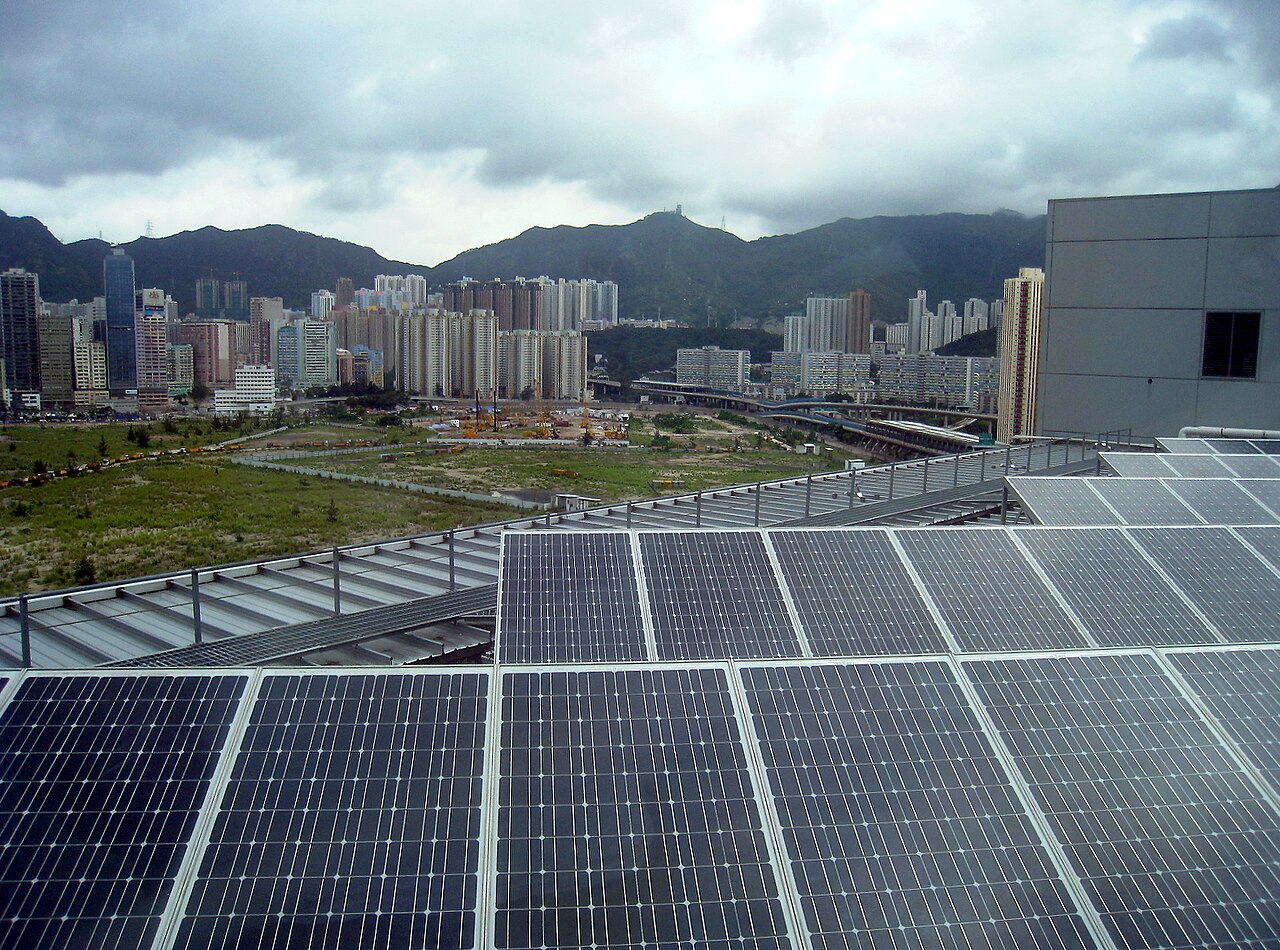
The rise of renewable energy is one of the defining shifts of the age, transforming how the world generates electricity. Wind and solar power have grown from expensive novelties into some of the cheapest sources of new electricity available. But integrating them into the power system is not as simple as swapping one kind of power station for another, because renewables have a fundamentally different character, and meeting their challenge is reshaping the grid itself.
The core difference is variability. A traditional power plant burning fuel can be turned up or down on demand, producing a steady, controllable output day and night. Wind and solar cannot be commanded in the same way: the sun sets, clouds pass, and the wind rises and falls according to the weather, not according to when people want electricity. This makes them variable rather than dispatchable, and matching that fluctuating supply to constant demand is the central puzzle of the renewable transition.
The grid was not originally built for this. Electricity is difficult to store in bulk, so power systems have traditionally relied on generating exactly as much as is needed at every instant, adjusting output moment to moment to keep supply and demand in balance. A system leaning heavily on sources it cannot control needs new ways to keep that balance, which is why the shift to renewables is as much about rebuilding the surrounding system as about the turbines and panels themselves.
Several solutions are advancing together. Energy storage, above all large banks of batteries, can capture surplus power when the sun shines or the wind blows and release it later when generation falls, smoothing out the peaks and troughs. Connecting wider areas with better transmission helps too, because the wind is usually blowing or the sun shining somewhere, and a large, well-linked grid can move power from where it is plentiful to where it is needed, evening out local variability.
Flexibility on the demand side is an increasingly important piece. Rather than only adjusting supply to meet demand, a modern grid can gently shift some demand to match supply, encouraging certain uses of electricity to happen when clean power is abundant and cheap. Combined with a diverse mix of renewable sources and some flexible backup generation, these tools allow ever-higher shares of variable renewables to be woven reliably into the system.
The transformation is genuinely difficult, and honest discussion acknowledges the engineering challenges rather than waving them away. But the direction is clear, and the obstacles are increasingly ones of integration and investment rather than fundamental possibility. The falling cost of clean generation and storage is steadily rewriting what the power system looks like, turning a grid built around large, controllable plants into a more distributed, flexible and weather-aware network for the century ahead.
Source Reporters corrects errors promptly. Spotted something wrong? Tell us — read our editorial standards and corrections policy.